
You want to help people build better connections: with their partners, with themselves, with their own bodies and desires. But you’re not sure exactly what that looks like as a career, or how to build a business in a space that still carries some stigma.
Here’s the thing: intimacy coaching is a real, growing profession. And the demand for it is only increasing.
In this guide, you’ll learn exactly what an intimacy coach does (it’s not what most people assume), how to get certified, what it pays, and how to build a practice that clients trust. Let’s get into it.
What Does an Intimacy Coach Actually Do?
An intimacy coach helps clients develop the skills, self-awareness, and confidence for healthy intimate connections, with themselves and with others.
There’s a common myth that intimacy coaching is primarily about sex. That’s only part of the picture, and for many coaches, not even the main focus.
Types of Intimacy Coaching
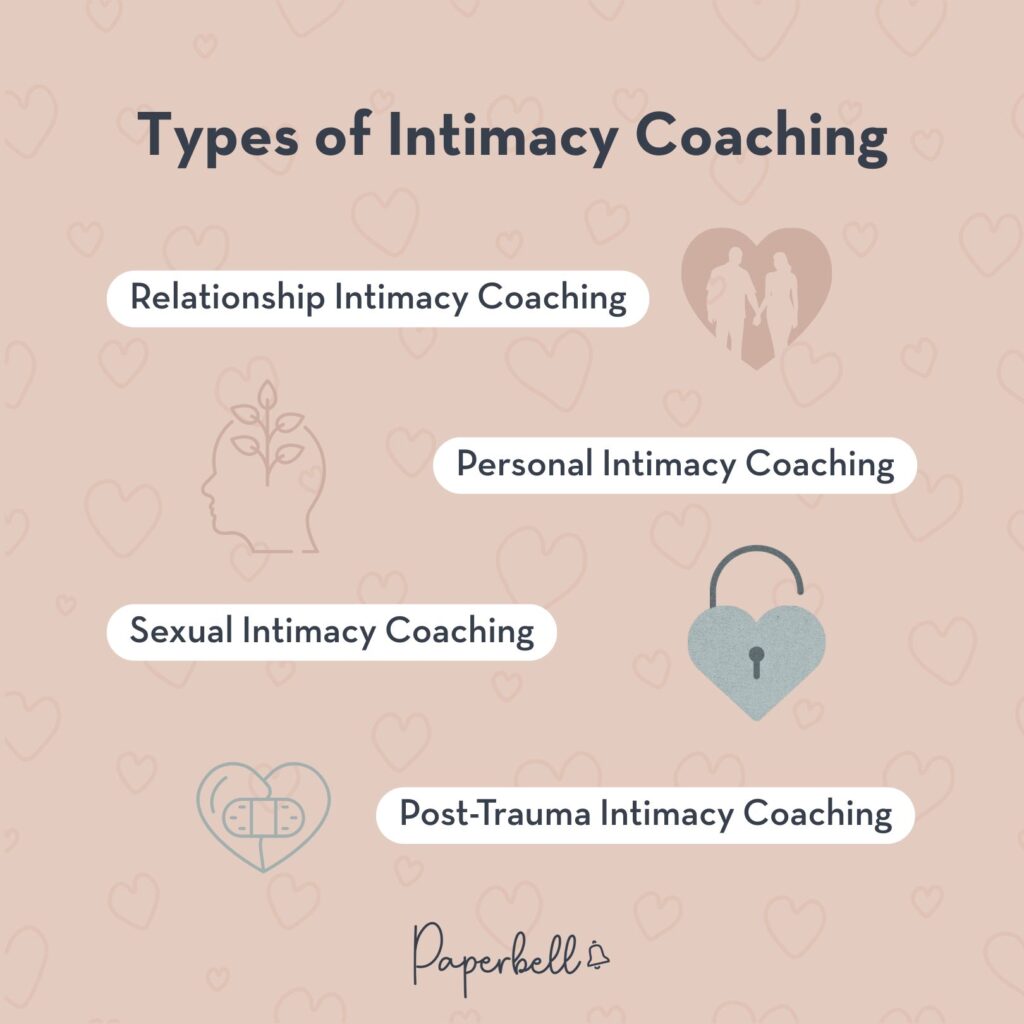
Intimacy coaching covers several distinct areas:
- Relationship Intimacy Coaching: Helping partners communicate better about their needs, work through conflict, and reconnect.
- Personal Intimacy Coaching: Working on an individual’s relationship with themselves: self-awareness, self-compassion, and comfort with their own desires.
- Sexual Intimacy Coaching: Addressing communication around sexuality and physical intimacy in a safe, educational context.
- Post-Trauma Intimacy Coaching: Supporting individuals who have experienced trauma as they rebuild healthy intimate relationships.
Two of these areas deserve a closer look, because they’re where a lot of newer coaches end up specializing.
Post-trauma and nervous-system-aware intimacy coaching has grown as more coaches train in trauma-informed approaches. The idea is simple: a person’s sense of safety in their body shapes how they connect with others. Coaches who work this way pay attention to how the nervous system responds to stress and closeness, and they move at a pace the client can handle rather than pushing for breakthroughs.
There’s also a growing corner of intimacy coaching built around specific relationship styles and communities: long-term couples, clients exploring kink or non-monogamy, people working through questions about their own identity. You don’t have to serve every group. Picking one you understand deeply is usually what makes a practice work.
What problems do clients bring to intimacy coaches?
The range is wider than most people expect. Common reasons people seek intimacy coaching include:
- Difficulty communicating needs and boundaries in relationships
- Feeling disconnected from their own body or desires
- Long-term romantic relationship challenges (growing apart, sexual disconnection, communication breakdown)
- Betrayal or relationship trauma recovery
- Sexuality or gender identity exploration
- Life transitions that affect intimacy: new parenthood, health changes, aging, empty nest
- Cultural or religious conflicts around intimacy
Intimacy coaching in popular culture
The work of intimacy professionals has become more visible in recent years, particularly through intimacy coordinators on film and TV sets. Films like Poor Things, which won four Academy Awards in 2024, used intimacy coordinators to keep actors safe and comfortable. Emma Stone, who won Best Actress for her role, spoke about how valuable that support was.

Intimacy coordinators work on sets. Intimacy coaches work with real people and their real relationships. Both professions have helped normalize conversations about healthy intimacy, making it easier for coaches to reach clients.
What intimacy coaches do (and what they don’t)
This distinction matters, both for your practice and for client trust.
Intimacy coaches do:
- Educate and build skills
- Guide clients and hold them accountable
- Create a safe space for exploration and honest conversation
- Help clients set and communicate boundaries
- Suggest practices and exercises for building intimacy skills
Intimacy coaches don’t:
- Diagnose or treat mental health conditions
- Provide hands-on sexual services
- Process deep trauma (though they often work alongside therapists who do)
- Give medical advice
- Promise specific outcomes
Being clear about this scope, in your marketing, your contracts, and your discovery calls, protects both you and your clients.
How to Become an Intimacy Coach: Skills and Certifications
The skills you need
Intimacy coaching requires a specific combination of personal qualities and professional skills. Here’s what the best coaches in this space have in common:
Communication expertise
The foundation of this work is modeling and teaching communication. You’ll need strong active listening skills, non-judgmental language around sensitive topics, and genuine comfort discussing subjects that many people find taboo.
Deep empathy and emotional intelligence
Clients come to you at their most vulnerable. Being able to hold space without rushing to “fix” things, and recognizing when a moment calls for silence rather than advice, is a core part of the job.
Clear professional boundaries
More than most coaching specialties, clear boundaries are essential in intimacy coaching. You need ethical guidelines that protect you and your clients, and awareness of your own triggers and blind spots.
Cultural competence
Intimacy looks different across cultures, relationship structures, gender identities, and religious backgrounds. To work effectively with diverse clients, you need to understand those differences and hold them without judgment.
Certification programs for intimacy coaches
Several organizations offer training specifically for this work. Here are some of the most established options. Program costs vary widely, from a few hundred dollars for a focused supplemental course to several thousand for a full certification, and pricing changes often, so check each organization’s current program page before you commit.
American Association of Sexuality Educators, Counselors, and Therapists (AASECT)
AASECT is a well-known professional body for certifying sex and intimacy professionals in the United States. Their sexuality educator certification covers human sexuality education, sexual development, sexual orientation, gender identity, and ethics in sexuality practice.
International Coaching Federation (ICF)
An ICF coaching certification is a strong foundation that can be paired with specialized intimacy training. The ICF credential signals professional credibility across coaching disciplines and is recognized globally.
Relationship Coaching Institute (RCI)
The Relationship Coaching Institute offers training in relationship dynamics, communication skills, conflict resolution, dating strategies, and marriage and partnership work.
Somatica Institute

Somatica Institute integrates somatic psychology, attachment theory, and neuroscience into a body-centered approach to sex and relationship coaching. It’s one of the more distinctive programs, and a good fit if you want to incorporate body-awareness practices into your work.
The School of Somatic Sexology

The School of Somatic Sexology offers sexological bodywork certification programs covering embodiment practices, consent-based touch, trauma awareness, and sexual anatomy.
Association of Certified Sexological Bodyworkers (ACSB)

The ACSB focuses on consent-based touch education, sexual anatomy, trauma-informed practice, and boundary setting for practitioners and clients.
Lower-cost ways to start
The full certifications above are a real investment, and the price tag can feel steep when you’re still testing whether this work is for you. You don’t have to spend thousands on day one to find out.
Plenty of coaches begin with a shorter, focused course on communication, consent, or relationship skills before committing to a full sexology or somatic program. Many training providers also offer lower-cost community memberships, self-paced modules, or single workshops that let you learn the basics and see whether intimacy coaching genuinely fits you.
If you already hold a general coaching credential, you may not need a second full certification at all. Adding a focused specialty course to an existing qualification is often the most affordable route.
Free and low-cost learning counts too. Books, reputable podcasts, and webinars from established intimacy professionals will teach you a lot before you pay for anything. Just be honest with clients about your training, and don’t market yourself as certified until you actually are.
Proper training still matters here, this isn’t a shortcut around it. Start where you can afford to, build real skills as you go, and step up to the bigger certifications once you know this is the work you want to keep doing.
How long does it take to become an intimacy coach?
It depends heavily on which path you choose. The shortest routes (supplemental certifications or specialized programs) can be completed in a few months. More rigorous programs like AASECT certification involve required coursework, supervised hours, and ongoing education that can take one to two years.
If you already hold a coaching credential (like an ICF certification), that timeline shortens considerably. You’re adding a specialty, not starting from zero.
Legal considerations before you launch
Before you start taking clients, it’s worth doing some homework on:
- Laws in your jurisdiction about coaching versus therapy (the line matters)
- Professional liability insurance
- Business licensing requirements
- Tax implications of your business structure
- Ethics guidelines from organizations like ICF or AASECT
This isn’t meant to scare you off. Most coaches work through this without major issues. It’s just worth going in with your eyes open. A clear coaching contract that spells out scope, payment, and confidentiality is one of the simplest ways to protect yourself from day one.
Building Your Intimacy Coaching Business
Define your niche
Intimacy coaching is broad enough that specializing almost always pays off. The more clearly you can say “I work with X people on Y challenge,” the easier it is to market your services and attract the right clients.
Think about: Do you want to work with couples or individuals? Specific age groups? LGBTQ+ clients? People recovering from betrayal? Couples navigating major life transitions? Your own experience and background will often point you toward the right niche.
Choosing a specialization
Once you’ve decided to niche down, the next question is which specialization to build around. A few of the most common paths in intimacy coaching:
- Couples and relationship work. Helping partners rebuild connection, communicate about their needs, and move through conflict. This is one of the largest segments, and clients often come as a pair, which changes how you run sessions and price packages.
- Trauma-informed and nervous-system work. Supporting clients whose past experiences shape how safe they feel getting close to others. This path usually calls for extra training in trauma-aware methods, and close referral relationships with licensed therapists (more on that below).
- Sexuality and body-based coaching. Focused on a client’s relationship with their own desires, confidence, and physical intimacy, in an educational rather than clinical frame.
- Life-stage and identity transitions. Working with clients navigating new parenthood, menopause, divorce, coming out, or exploring non-traditional relationship styles.
- Culturally or community-specific coaching. Serving clients who share a background, faith, or identity where general intimacy advice often misses the mark.
How do you pick? Start with the clients you genuinely enjoy and understand, then look at the problems you’re actually equipped to help with, and whether there’s real demand for it. Your own story often points the way: a coach who has personally rebuilt intimacy after a major life change tends to connect faster with clients facing the same thing.
You can always refine later. Most coaches narrow their focus as they learn which clients they do their best work with.
How much do intimacy coaches earn?
Rates vary widely based on experience, niche, and location. Entry-level intimacy coaches typically charge $100–$150 per session. Coaches with solid credentials and a clear specialty often charge $200–$400 per session. Those working with couples or offering intensive programs can earn considerably more per engagement.
Corporate consulting, like offering workshops on intimacy and healthy relationships in wellness programs, can generate solid additional income at higher per-hour rates.
Creating your coaching packages
Intimacy work takes time. Single sessions rarely create lasting change, so structure your offerings as multi-session packages:
- Introductory Package: 4 weekly sessions to explore a specific challenge or question.
- Core Package: 3 to 6 months for clients making significant shifts in how they approach intimacy.
- Ongoing Support: Monthly sessions for clients who want accountability and continuity over time.
For each package, be clear about the number and length of sessions, the expected timeframe, what resources are included, and your policies on cancellation and rescheduling.
Running the admin side of your practice

In a practice that requires such careful attention to trust and safety, the last thing you want is admin chaos. Using Paperbell means your clients can book directly through your portal, intake forms go out automatically, a signed contract (or terms and conditions checkbox) is built into the booking flow, and payments are handled without awkward conversations.
For clients who may already feel vulnerable about reaching out, a professional, smooth experience from the first click matters more than you might think.
Marketing an Intimacy Coaching Practice
Language and imagery that works
Because this is a sensitive topic, how you show up in public matters. Use clear, non-exploitative language. Choose imagery that shows connection and warmth rather than bodies or sexuality. Consider the cultural context your target clients are coming from.
Content marketing builds trust
Potential clients often spend weeks or even months researching before reaching out to an intimacy coach. Content helps them get comfortable with you long before they book.
Blog posts on common intimacy questions, podcast episodes about your philosophy, free guides on topics like “Difficult Conversations” or “Rebuilding After Betrayal.” All of these let people find you, understand your approach, and decide they trust you before they ever click “book.”
Build your professional network
Some of the best referrals for intimacy coaches come from therapists, couples counselors, sex therapists, and OB-GYNs who encounter clients whose needs fall outside their scope of practice. Introduce yourself, explain what you do and who you help, and you’ll build a referral network over time.
To turn those introductions into steady referrals, treat them like the professional relationships they are. Offer to be the person a therapist can send clients to when someone’s needs are more about skill-building and connection than clinical treatment, and be just as ready to refer back when a client needs licensed care.
A short, clear one-pager that explains what you do, who you help, and where your scope ends makes it easy for a busy clinician to remember you. Coffee chats, local practitioner groups, and professional directories all help too. Referral networks take time to build, but they tend to become one of the most reliable sources of the right-fit clients. If you want more ideas, our guide on how to get coaching clients covers strategies that work well alongside referrals.
Common Questions About Intimacy Coaching
What does an intimacy coach do?
An intimacy coach helps people develop deeper, healthier connections with partners, family members, friends, or themselves. This includes communication skills, boundary-setting, self-awareness around desires and needs, and working through blocks to intimacy.
Is intimacy coaching the same as sex therapy?
No. Sex therapists are licensed mental health professionals who diagnose and treat clinical issues: sexual dysfunction, compulsive behavior, trauma processing. Intimacy coaches work in an educational and coaching framework. They don’t diagnose, don’t treat dysfunction, and don’t process deep trauma.
What’s the difference between intimacy coaching and sex coaching?
There’s a lot of overlap, and some coaches do both. Think of sex coaching as the narrower lens: physical intimacy, pleasure, sexual confidence. Intimacy coaching zooms out to emotional connection, communication, and closeness across all kinds of relationships, with sexuality as one part of that picture rather than the whole focus.
What’s the difference between an intimacy coach and an intimacy coordinator?
An intimacy coordinator works on film and TV sets to manage intimate scenes and ensure actor safety. An intimacy coach works with real people on their personal relationships. The professions share some values but are completely different in practice.
How much does it cost to become a certified intimacy coach?
It depends entirely on the path you choose. A focused supplemental course can cost a few hundred dollars, while a full sexology or somatic certification can run into the thousands. Pricing changes often, so check each program’s current page. If you already hold a coaching credential, adding a specialty is usually the most affordable route.
Do I need a specific background or lived experience to become an intimacy coach?
No. You don’t need a particular past, identity, or personal history to do this work well, just solid training, genuine comfort with sensitive topics, and boundaries you actually hold to. Many coaches find their own experiences help them connect with a specific niche though, and that’s a strength worth leaning into.
Do I need a psychology degree to become an intimacy coach?
No. You do need a solid understanding of human psychology, relationship dynamics, and sexuality. A good training program will give you that foundation. But a formal degree isn’t required to practice as a coach.
Who typically seeks intimacy coaching?
The range is wider than you might expect: couples looking to reconnect, individuals figuring out what they want, people re-entering the dating world after a major life change, those from conservative backgrounds exploring new parts of themselves, and people going through transitions like parenthood, menopause, or divorce.
How do intimacy coaches handle boundaries with clients?
Through clear contracts, explicit discussion of what coaching does and doesn’t include, and ongoing self-reflection about their own triggers and blind spots. Good training programs cover this thoroughly. It’s one of the most important skills in the field.
Ready to Become an Intimacy Coach?
If you’re drawn to this work, that pull is worth following. The demand for skilled, ethical intimacy coaches is real, and the work matters.
When you’re ready to build your practice, you’ll want systems that make the admin as easy as possible. Paperbell handles bookings, payments, contracts, intake forms, and client management, all in one place. Try Paperbell for free and see how simple running your practice can actually be.