

If you’ve been drawn to coaching women specifically, you’re tapping into one of the most vibrant and in-demand niches in the industry. Women seek out coaches who understand the particular pressures they face: juggling careers and caregiving, navigating workplace bias, or reclaiming their identity after major life transitions. A coach who specializes in serving women can meet those needs in ways a generalist simply can’t.
This guide is for coaches who want to specialize in working with women: what the niche involves, how to choose your focus area, which certifications are worth your investment, and how to build a practice that consistently attracts clients.
Why Women’s Life Coaching Is a Distinct Niche
Women’s life coaching isn’t just general coaching with a narrower audience. Women bring a specific set of lived experiences to the coaching room, ones shaped by societal conditioning, biological realities, and systemic barriers that general coaching frameworks weren’t always designed to address. When you specialize here, you develop targeted expertise that makes your coaching more effective and your marketing far easier.
Confidence and Self-Worth
From early on, many women internalize the message that being agreeable and self-sacrificing is safer than being assertive. They learn to set their own needs aside. By the time a client comes to you, those patterns may be deeply ingrained. Coaching in this area helps women recognize where those beliefs come from and build the self-advocacy skills to override them.
Work-Life Balance and Burnout
Research consistently shows that women carry a disproportionate share of unpaid domestic labor and caregiving even when working full-time. Mothers often experience career setbacks that fathers don’t. Coaching can’t fix systemic inequity, but it can help women set boundaries, negotiate their needs, and stop running on empty.
Career Advancement and Leadership
Women who act assertively often get labeled difficult, while men doing the same are called strong leaders. Female leaders face the “too emotional” stereotype despite research consistently showing otherwise. These dynamics fuel impostor syndrome even in women who are clearly qualified. Career and leadership coaching helps women build confidence in their capabilities and develop strategies for navigating these realities.
Women’s Health and Hormonal Wellbeing
Women’s bodies have historically been under-researched, and their health concerns are routinely dismissed or misdiagnosed. Coaches who develop genuine expertise in hormonal health, the menstrual cycle, perimenopause, and related topics fill a real gap. This area calls for more specialized training than general life coaching, but the demand for coaches with this knowledge is significant and growing.
Beyond these core areas, emerging niches within women’s coaching are gaining real traction: perimenopause and midlife transitions, burnout recovery, feminist coaching, and identity coaching after major life changes like divorce, empty nesting, or career pivots. These aren’t fringe topics. They show up in what women are actively searching for.
Popular Sub-Niches Within Women’s Coaching
The phrase “life coaching for women” is broad enough to mean almost anything. Coaches who build thriving practices almost always get more specific. Here are the sub-niches where the most demand exists:
- Women’s confidence and self-worth coaching: Helping women dismantle self-limiting beliefs rooted in societal conditioning and develop a grounded sense of their own value, separate from external validation.
- Career advancement and women in leadership coaching: Supporting ambitious women navigating male-dominated workplaces, promotion barriers, pay gaps, and the double standards that come with being a woman in a leadership role.
- Life coaching for women over 50 and midlife transitions: Addressing the identity questions that arise when children leave home, careers shift, relationships change, or retirement approaches. This age group is underserved and has strong buying power.
- Perimenopause and hormonal change coaching: Helping women understand what’s happening in their bodies during the transition years, manage symptoms, and reframe this life stage as a beginning rather than an ending.
- Burnout recovery coaching for women: Supporting women who have run themselves into the ground caring for everyone else and are ready to rebuild a life with genuine energy and boundaries.
- Feminist coaching and values alignment: A gender-aware approach that acknowledges systemic barriers alongside individual mindset work. Clients appreciate coaches who don’t ask them to just “think differently” about structural discrimination.
- Women entrepreneur coaching: Targeting the specific challenges women face in business: undercharging, over-delivering, imposter syndrome in sales, and building businesses that don’t require sacrificing their wellbeing.
- Healing-centered coaching: Integrating a trauma-informed lens to support women who have experienced loss, abuse, or chronic stress. This approach centers dignity and agency rather than deficit.
Coaching Methodologies That Work Well for Women’s Coaching
Your certification gives you a foundation, but the frameworks you weave into your coaching practice are what shape your client’s experience. Several methodologies tend to be particularly effective when working with women.
Positive psychology. Rather than focusing on what’s broken, positive psychology coaching starts with what’s already working: strengths, values, and conditions for flourishing. For women who’ve spent years being told what’s wrong with them, a strengths-based conversation can be revelatory. It’s especially useful in confidence and career coaching.
Feminist coaching framework. This approach is gender-aware by design. It recognizes that some of what shows up as “limiting beliefs” are actually rational responses to real systemic barriers. Feminist coaching doesn’t dismiss mindset work. It contextualizes it, which leads to more honest and durable change. If your clients tend to be high-achieving women who feel stuck despite doing all the “right” things, this framework is worth studying.
Mindfulness-based coaching. Body awareness and present-moment focus are particularly relevant for women dealing with perimenopause, burnout, or chronic stress. Many women have learned to disconnect from their bodies as a coping strategy. Mindfulness-based approaches help rebuild that connection in a way that supports both mental clarity and physical wellbeing.
Strength-based coaching. Similar in spirit to positive psychology but more structured, strength-based coaching uses tools like CliftonStrengths or VIA Character Strengths to help clients identify and deliberately use their innate capabilities. This approach builds a confidence that’s grounded in real evidence rather than affirmations.
Narrative coaching. We all operate from a story about who we are and what’s possible for us. Narrative coaching invites clients to examine those stories, identify where they came from, and write new ones. It’s particularly powerful for women navigating major transitions (midlife, divorce, career change) where the old story no longer fits.
Certifications and Training to Become a Life Coach for Women
You don’t need certification to legally work as a life coach, but training does two things: it gives you frameworks and skills that make your coaching more effective, and it builds credibility with clients who are comparing options. Here are six programs specifically suited to coaches working with women, or general ICF-accredited programs that serve as strong foundations. (For a broader look at credentials, see our roundup of business coach certifications.)
One of Many: Certified Women’s Coach Training
ICF-accredited | 12 months | Online and in-person hybrid | ~£5,495
Built specifically for coaches who want to work with women, this comprehensive program includes one-on-one mentoring and in-depth practical training. The curriculum draws on One of Many’s research into what makes women thrive, covering feminine leadership archetypes, energy management, and purpose-driven coaching. A strong choice if you want a certification that signals women’s coaching as your explicit specialty.
Inner Glow Circle: ICF Level 2 Certification
ICF Level 2 accredited (up to 125 training hours) | 8 months | Online via Zoom | ~$10,495
IGC is led by and centered around women’s experiences. The program is designed with women coaches in mind throughout. The curriculum, cohort, and community all reflect that focus. An 8-month commitment, but graduates come out with serious credentials and a strong peer network. A 4-month Foundations track ($5,495) is also available for coaches earlier in their journey.
Girls Gone Strong: Women’s Coaching Specialist Certification
Not ICF-accredited | Self-paced | Online | $1,500
An evidence-based, 18-chapter program developed by women’s health experts covering the full spectrum of women’s health: menopause, menstrual cycles, pelvic floor, PCOS, Hashimoto’s, pregnancy, postpartum, and more. Best suited to coaches who want deep women’s health knowledge to complement a general coaching credential. The 600-page textbook alone is a thorough clinical reference. Note: this is not ICF-accredited.
Health Coach FX: Woman Empowerment Coach Certification
ICF-accredited (70 CCEs toward ACC credential) | 6 months | Online | Pricing by inquiry
A structured 6-month program using the Embodied Transformation Framework, which integrates somatic awareness with coaching methodology. Particularly relevant for coaches working in burnout recovery, women’s health, and body-relationship coaching. The ICF CCEs count toward your ACC credential, making this a smart addition if you’re building your credential pathway.
Girls Gone Strong: Menopause Coach Certification
Not ICF-accredited | Self-paced | Online | Pricing varies
A focused certification for coaches specifically targeting the perimenopause and menopause market, which is expanding quickly as the largest-ever cohort of women approach midlife. Covers symptom management, hormonal change, lifestyle strategies, and coaching approaches specific to this life stage. A smart add-on for any coach working with women over 40.
Lumia Coaching
ICF-accredited | 6 months | Online | ~$5,500–$6,500
Not women-specific, but Lumia is consistently rated highly for coach training quality, ICF Core Competency mastery, and real-world practice. If you want a strong general foundation before layering on a women’s specialty certification, Lumia is a practical choice that won’t require you to unlearn anything.
How to Build and Market Your Women’s Coaching Practice
The coaching market is crowded. “Life coaching for women” is too broad to market effectively. The coaches who fill their practices fastest are the ones who get specific about who they help, with what problem, and what changes as a result of working with them. If you’re still deciding on a direction, our list of high-ticket coaching niches can help you evaluate where demand and earning potential line up.
Define your specific niche within women’s coaching. Start with the intersection of two things: what you’re genuinely passionate about, and what you have real credibility in (lived experience, professional background, or specialized training). “Career coaching for women returning to work after kids” is marketable. “Life coaching for women” is not.
Build a clear client avatar. Which woman, at which life stage, with which specific problem? The more specific you get, the easier your marketing becomes. “Women in their 40s who are burning out in corporate jobs and wondering if there’s something more” is an avatar. “Women” is not. Specificity doesn’t shrink your market. It makes your message land harder with the right people.
Pricing guidance. For one-on-one coaching, expect to charge $150–$500 per session depending on your niche, experience level, and market. Coaching packages typically run $2,000–$8,000 for a three- to six-month engagement. Women’s coaching in high-demand niches (executive leadership, perimenopause, burnout recovery) commands rates toward the higher end. Don’t underprice because you’re new. Underpricing signals low confidence and attracts clients who don’t value the work.
Where to find clients. Instagram is where women’s coaches thrive. Long-form caption storytelling, relatable Reels, and consistent engagement with your ideal client all work. LinkedIn is the right platform if you’re targeting women in corporate roles or leadership positions. Local women’s business groups and networking chapters (BNI, local chambers with women’s divisions) generate referrals. Podcast interviews on shows your ideal client already listens to are one of the highest-ROI visibility strategies available to coaches who don’t have big ad budgets.
Brand messaging that converts. Speak to the specific transformation you deliver, not the method you use. “I help mid-career women reclaim their ambition without burning out” is a message that makes someone think “that’s me.” “I use positive psychology and mindfulness-based coaching” is a description of your process that means nothing to someone who just knows they’re exhausted and stuck. Lead with the outcome.
Coaches to Learn From
One of the best investments you can make when building a specialized practice is studying coaches who are already doing it well. These three are worth paying attention to.
Maisie Hill
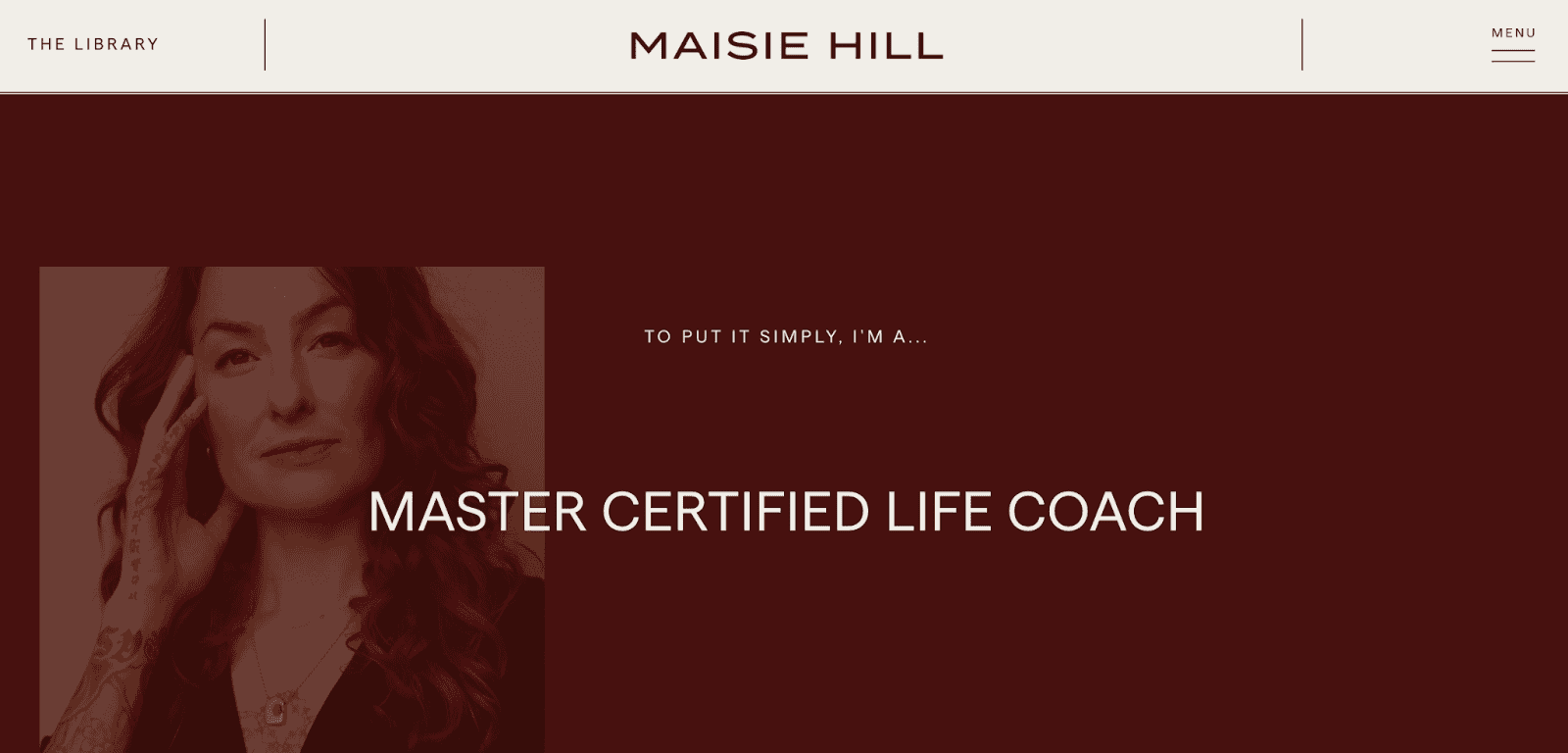
Maisie Hill is a Master Certified Life Coach, hormone and menstrual cycle expert, and bestselling author with 15 years of experience as a women’s health practitioner and birth doula. Her books Period Power and Perimenopause Power have become go-to references in the women’s health space. She helps women live in harmony with their cycles and dismantle the societal conditioning around their bodies. Her podcast, The Maisie Hill Experience, is worth adding to your regular listening.
Erika Alsborn
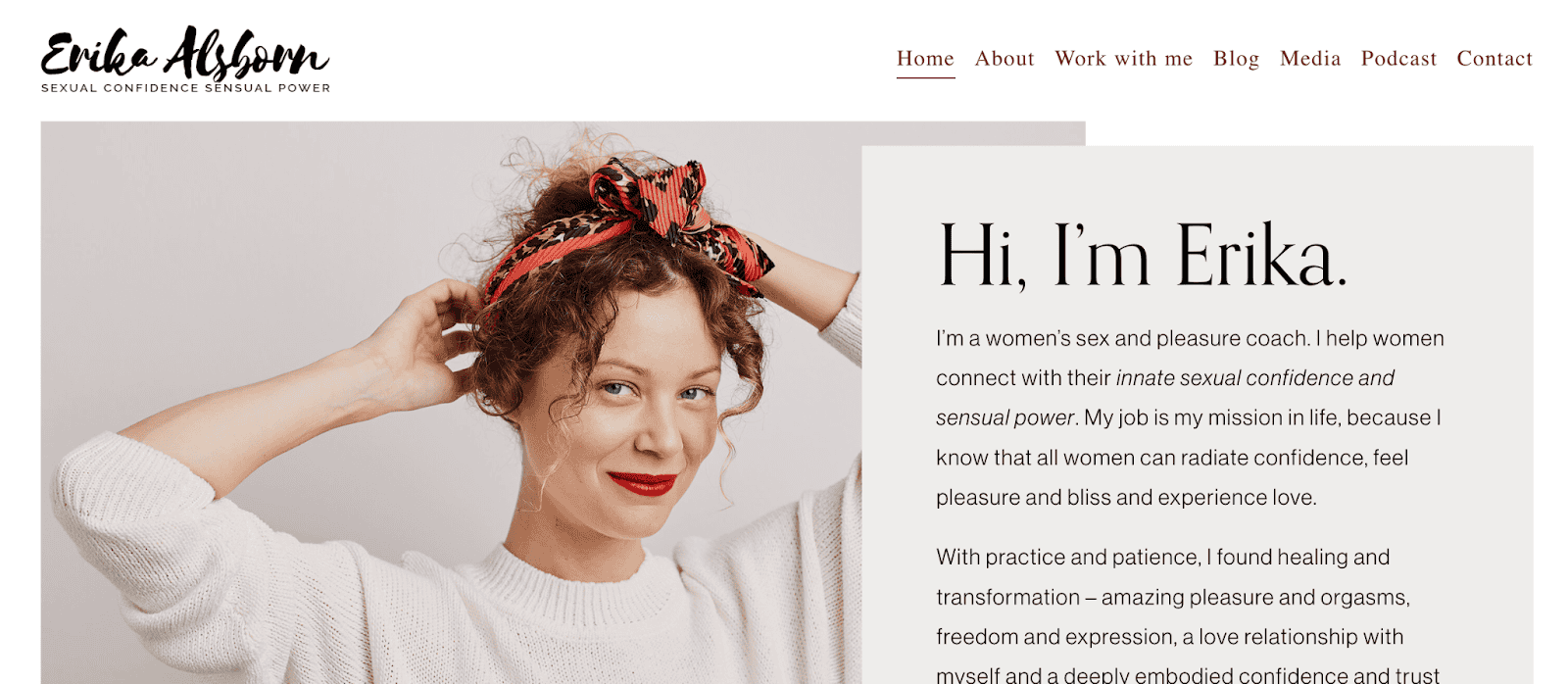
Erika Alsborn holds a Master’s Degree in Sexology and works as a Women’s Sex and Pleasure Coach. Her work centers on helping women radiate confidence, experience pleasure, and reconnect with their sensuality and innate power. She has also expanded into birth coaching, helping women approach the birthing experience with agency and intention. Her work is a good reminder that the women’s coaching niche includes areas that many coaches don’t think to specialize in.
Laura Weldy
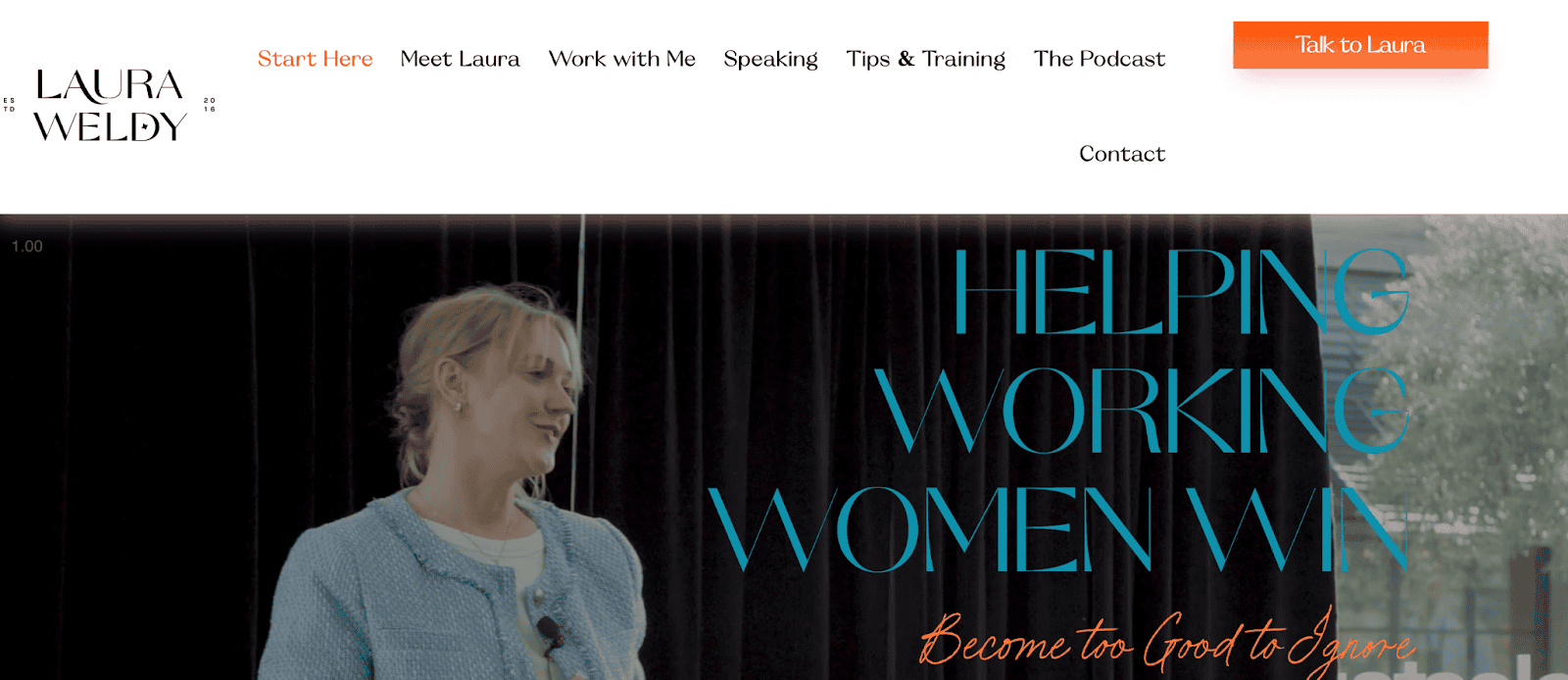
Laura Weldy coaches ambitious mid-career women to unlock their full potential at work without sacrificing every other part of their lives. She works with individuals and organizations, offering one-on-one leadership coaching, corporate leadership development programs, and group intensives. Her focus is on helping women lead authentically in male-dominated environments rather than asking them to perform a version of leadership designed for someone else. That’s exactly the kind of specific positioning that makes a practice sustainable.
FAQ
What Does a Life Coach for Women Do?
A women’s life coach helps clients deal with challenges that disproportionately affect women: imposter syndrome, juggling career and caregiving, body image struggles, burnout, midlife transitions, and more. They use structured frameworks and accountability tools to help women clarify what they want and take concrete steps toward it. Unlike therapy, coaching is forward-focused and doesn’t treat psychological conditions.
How Do I Find Clients as a Women’s Life Coach?
Instagram is the most effective platform for most women’s coaches. Long-form captions, Reels, and consistent engagement all work well. LinkedIn is worth prioritizing if your niche is corporate women or leadership. Local women’s business networks and referral partnerships with therapists, OBGYNs, or HR professionals generate warm leads. Guest appearances on podcasts your ideal client already listens to are among the highest-ROI visibility strategies available without an ad budget. Start with one or two channels and do them well rather than spreading thin across everything.
Is Women’s Life Coaching a Profitable Niche?
Yes, and more so the more specific you get. Women’s coaching is one of the broader coaching categories, which means competition at the general level is high. Coaches who specialize in a specific sub-niche (perimenopause, burnout recovery, women in leadership) can command premium rates because they’re the obvious expert for that client’s problem. One-on-one rates typically run $150–$500 per session; coaching packages commonly range from $2,000 to $8,000 for a three- to six-month engagement.
What’s the Difference Between Women’s Life Coaching and Therapy?
Therapy is licensed mental health treatment. It focuses on healing past trauma, diagnosing and treating psychological conditions, and is delivered by licensed clinicians. Life coaching is not a licensed profession, and coaches do not treat mental health conditions. Coaching is goal-oriented and future-focused: where do you want to go, what’s getting in the way, and how do we close that gap? Many women benefit from both. A therapist and a coach serve different functions. If a client needs clinical support, the ethical move is to refer out, not try to do both.
What Sub-Niche Within Women’s Coaching Is in Highest Demand?
As of 2026, the highest search and referral demand is in perimenopause and midlife transitions, burnout recovery, and women in leadership. The perimenopause niche in particular is expanding fast as more millennial women enter their 40s and 50s. This group is actively looking for coaches who understand what they’re navigating hormonally and personally. Women’s confidence coaching and entrepreneur coaching also have consistent demand.
Do I Need Certification to Coach Women?
It’s not legally required, but certification strengthens your credibility and gives you practical frameworks that make your coaching more effective. If you want to work in specialized areas like hormonal health, perimenopause, or trauma-informed coaching, additional specialized training is worth the investment, both for your clients’ outcomes and for your ability to market with confidence.
How Do I Choose the Right Coaching Certification for This Niche?
Look for a program with ICF accreditation if you want your credentials to be recognized across the industry. If women’s coaching is your explicit specialty, a women-focused program like One of Many or Inner Glow Circle builds in that focus from day one. If you want to add specialized health knowledge, Girls Gone Strong’s Women’s Coaching Specialist or Menopause Coach certifications layer well onto a general coaching credential. Consider your timeline, budget, and whether you prefer live cohort learning or self-paced study.
What Tools Do I Need to Run a Women’s Coaching Practice?
Beyond your coaching frameworks, you’ll need a client management system that handles bookings, payments, contracts, and client communication in one place. Paperbell is built specifically for coaches. It lets you create custom packages, set up installment plans, run client surveys, and give clients a self-service portal without stitching together five different tools. When your back-end runs smoothly, you can focus on the actual coaching.
Run Your Practice Without the Admin Overwhelm
Building a coaching practice takes real work: getting your niche clear, finding clients, delivering results. The admin side shouldn’t eat into the time and energy you have for the work itself.
Paperbell handles everything behind the scenes: your coaching website, scheduling, payments, contracts, and client portal, all in one place. It’s designed specifically for coaches, so it works the way your business actually works.
Try Paperbell for free and see how much easier your practice can run.