
Women in their 40s and 50s are showing up to doctor appointments with brain fog, broken sleep, and anxiety they’ve never felt before — and getting told it’s “probably stress.” They go home with no answers and no plan.
That gap? That’s exactly where menopause coaches work. And right now, demand is outpacing supply in a big way.
With over 1 million women navigating menopause in the US alone, and a women’s health market projected to surpass $100 billion by 2030, there has never been a better time to specialize in this area.
In this guide, you’ll learn exactly what a menopause coach does, which certifications are worth your time and money, and how to build a practice that actually helps women through one of the most confusing transitions of their lives.
What is a Menopause Coach?
A menopause coach is a specialized professional who works with women through the physical, emotional, and lifestyle changes that come with perimenopause, menopause, and post-menopause.
They help clients through menopause symptoms (mood swings, hormonal changes, sleep disruption, weight shifts) using coaching tools, lifestyle strategies, and evidence-based practices.
Think of it this way: while doctors handle the medical side (like hormone replacement therapy), menopause coaches take a whole-person approach. They cover nutrition, exercise, stress management, mindset, and daily habits: everything that affects how a woman experiences this transition.
Other health professionals, including physical therapists, fitness professionals, and wellness coaches, often niche down into menopause support as well.
How Menopause Coaches Differ from General Health Coaches
A general health coach works with broad wellness goals. A menopause coach brings specialized knowledge about:
- Hormonal changes in perimenopausal women and their impact on cognition and energy
- Specific nutrition strategies to ease physical symptoms
- Exercise modifications for bone health and muscle preservation
- Emotional support techniques for mood shifts and anxiety
- Sleep optimization during hormonal transitions
This specialization matters because menopause isn’t just hot flashes. It’s a complex transition that affects virtually every system in the body.
The Growing Demand for Menopause Coaching
Most people struggling with menopause symptoms wait over six months before getting any real support. The healthcare system simply isn’t built to handle the full picture.
A certified coach who specializes in menopause fills that gap — not replacing doctors, but working alongside them to give clients the day-to-day support that clinical appointments can’t provide.
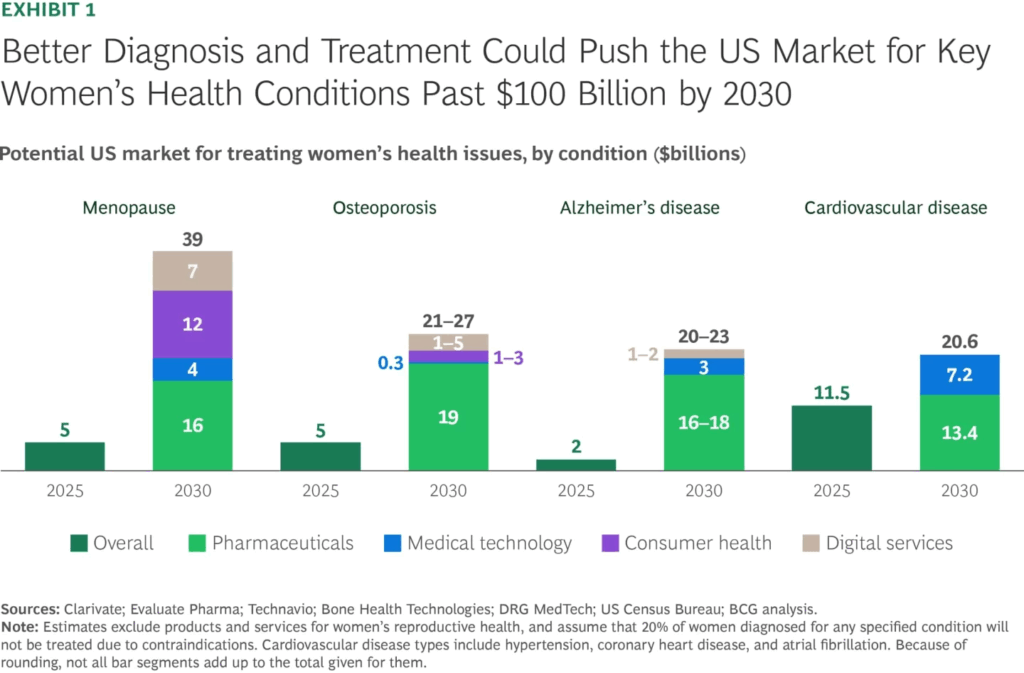
That grey category under “Menopause” in the chart above? That’s the untapped potential for digital services, including coaching.
Types of Clients Who Seek Menopause Coaching
Your clients might include:
- Women in their 40s experiencing early perimenopause symptoms
- Those dealing with weight changes and metabolic shifts
- Professional women managing symptoms alongside demanding careers
- Athletes and fitness enthusiasts who need modified training approaches
- People seeking natural strategies alongside medical treatment
- Those dealing with menopause-related anxiety or mood changes
As a menopause coach, you’ll help these clients understand what’s happening in their bodies, build practical strategies for their specific situation, and feel far less alone in the process.
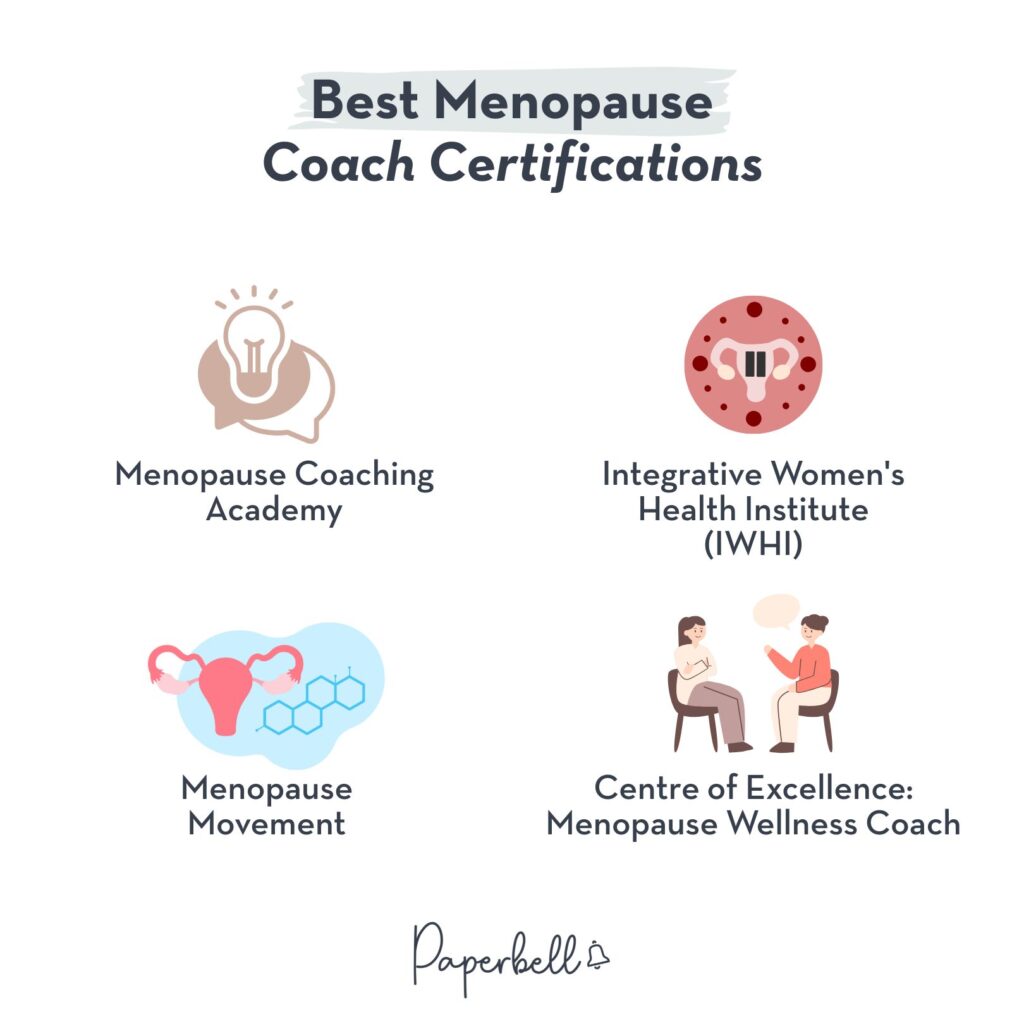
Best Menopause Coach Certifications
There are several strong programs to choose from, each with different strengths and ideal students. Here’s what’s currently available and what makes each one worth considering.
1. Menopause Coaching Academy
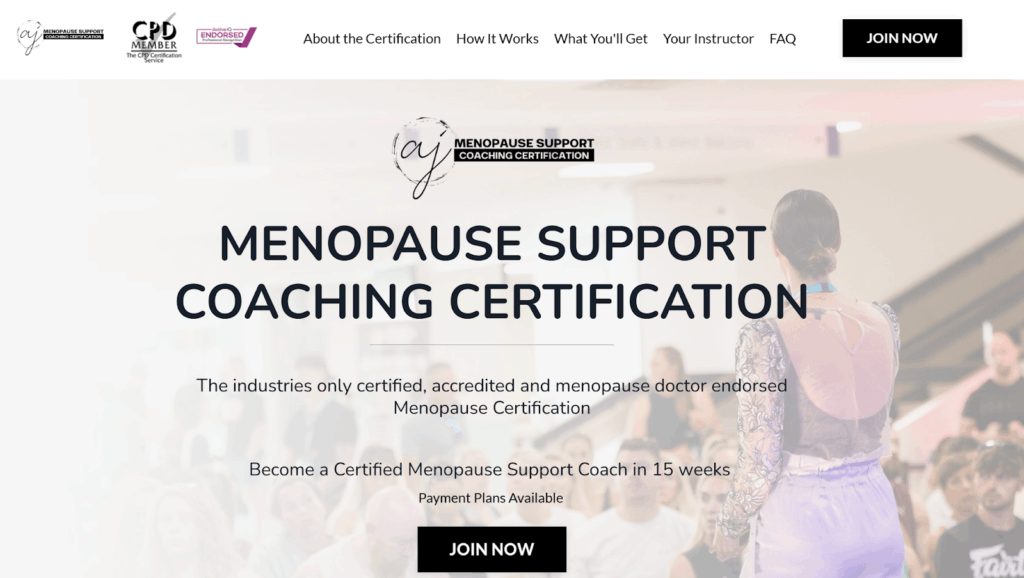
The Menopause Coaching Academy offers the only certified, accredited, and menopause doctor-endorsed program in the field. Their 15-week program blends self-paced learning with live weekly teaching.
What You’ll Learn:
- Evidence-based practices in nutrition, lifestyle, and mindset
- Positive psychology techniques for coaching
- HRT basics to guide clients safely
- The Reclamation Formula® — Coach Adele Johnston’s proven 3-step framework
Program Details:
- Duration: 15 weeks
- Format: Self-paced learning plus live weekly sessions
- Investment: £3,297 (approximately $4,500 USD), payment plans available
- Includes: Physical and digital certificate, app access, community support
Best For:
Women’s health coaches, personal trainers, physiotherapists, yoga instructors, and other fitness or wellness professionals who want deep menopause knowledge with live support. It’s a strong fit if you prefer structured learning with regular check-ins rather than fully self-paced study.
Emma Neville, who experienced early menopause herself and now coaches other women through it, completed this program and says the knowledge left her ready to make a real difference for her clients.

2. Integrative Women’s Health Institute (IWHI)
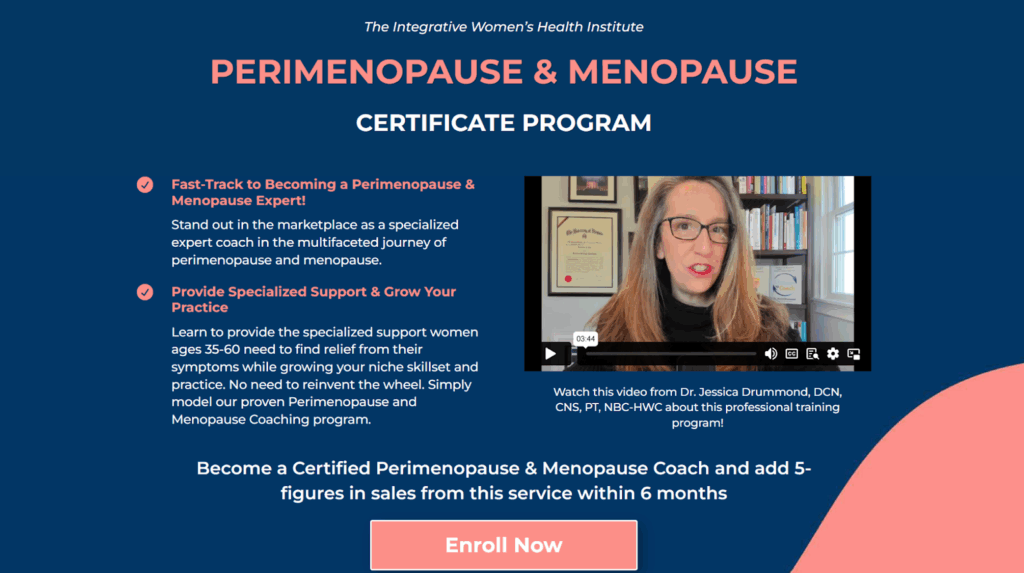
IWHI’s Perimenopause & Menopause Certificate Program is approved by the National Board for Health & Wellness Coaching (NBHWC). With over 3,000 graduates across 60+ countries, it’s one of the most established programs available.
What You’ll Learn:
- IWHI’s proprietary 7-Step Integrative Protocol
- Functional nutrition and lifestyle medicine
- Nervous system regulation techniques
- When and how to integrate with medical hormone therapies
- Business training to grow your practice
Program Details:
- Duration: 6 months of content access
- Format: On-demand modules plus weekly Q&A calls
- Investment: $3,497 USD (payment plans from $640/month)
Best For:
Healthcare professionals (nurses, physical therapists, nutritionists) who want clinical depth alongside coaching skills. It’s ideal if you’re planning to build a coaching business built entirely around menopause support.
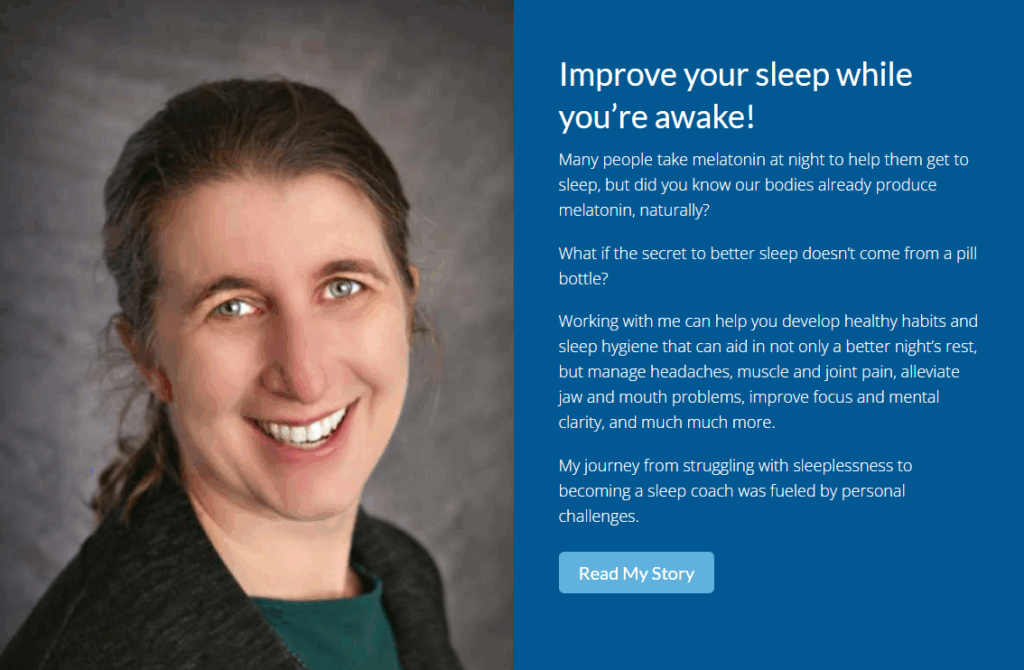
Tierney Gunthorpe, a sleep apnea coach, completed this certification specifically to better support her clients going through menopause.
3. Menopause Movement
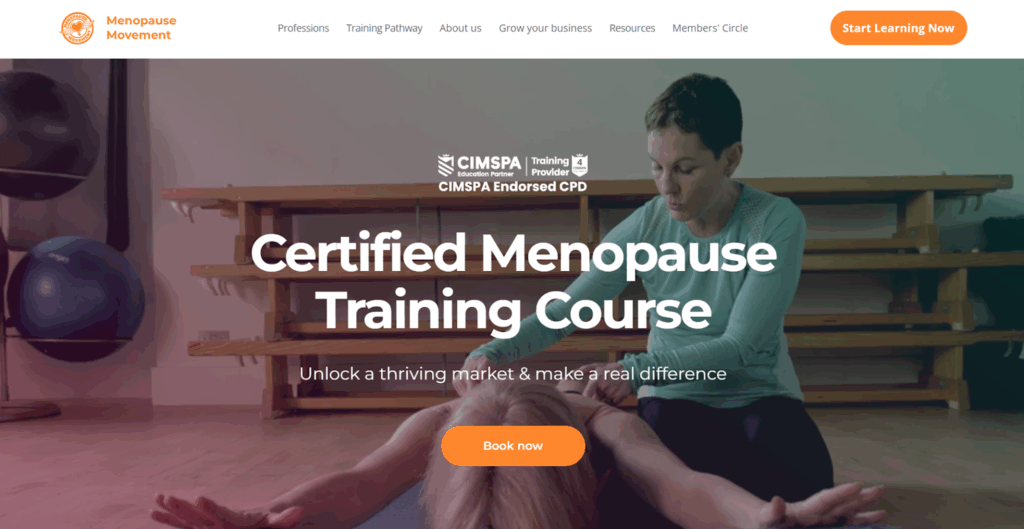
Designed for fitness and movement professionals, Menopause Movement focuses on safe, effective training for menopausal women. It’s endorsed by the Chartered Institute for the Management of Sport and Physical Activity (CIMSPA).
What You’ll Learn:
- How hormonal changes affect exercise response
- Program modifications for strength and bone health
- Nutrition strategies for hormonal health
- Mental health and stress management for active women
- Red flags and when to refer clients to a medical provider
Program Details:
- Duration: Self-paced
- Format: 100% online modules
- Investment: £445 (approximately $605 USD), payment plans available
Best For:
Personal trainers, pilates and yoga instructors, and physiotherapists who want to specialize in training menopausal clients. It’s a great fit if you’re already working in fitness and want to serve your midlife clients better.
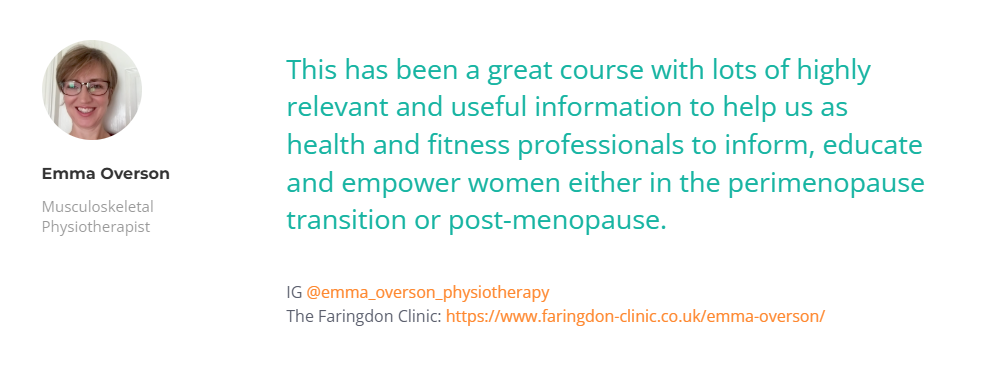
Emma Overson, a physiotherapist, says this certification gave her the tools to genuinely inform, educate, and support the women she works with.
4. Centre of Excellence: Menopause Wellness Coach
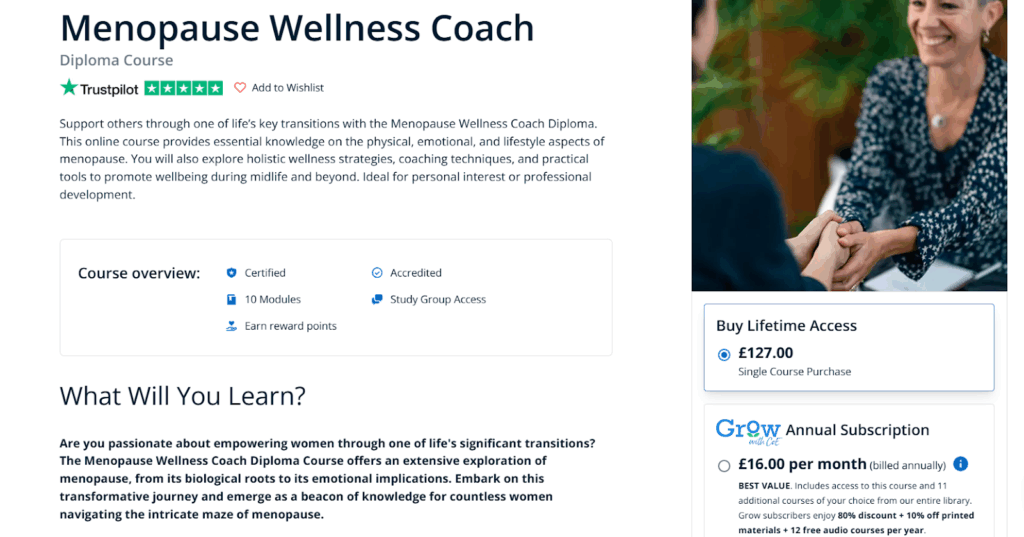
This diploma course takes a wellness-centered approach and covers complementary therapies alongside coaching techniques. It’s the most affordable option on this list and a good starting point for coaches who are new to menopause work.
What You’ll Learn:
- Approaches including yoga, acupuncture, and aromatherapy
- Menopause-supportive nutrition for cardiovascular and hormonal health
- Coaching principles and ethical practice
- Emotional and psychological well-being strategies
- A general overview of HRT options
Program Details:
- Duration: 50–250 hours, self-paced
- Format: Online learning center
- Investment: £127 (approximately $172 USD) for lifetime access, or £16/month for an annual subscription covering multiple courses
- Accreditation: QLS and CPD accredited
Best For:
Life coaches, counselors, or those interested in complementary wellness approaches. Also a good fit for women who have been through menopause themselves and want to support others going through it.
How to Choose the Best Certification
With several strong options available, how do you pick the right one? Here’s what to weigh up.
1. Assess Your Background
Your existing expertise matters. If you’re coming from a medical or healthcare background, programs like IWHI fit more naturally with their clinical focus.
If you’re a life coach or wellness professional without medical training, the Centre of Excellence or Menopause Coaching Academy may be a better fit. Both emphasize coaching skills alongside the menopause-specific knowledge.
2. Consider Your Business Goals
- Want to work primarily with athletes and active women? Menopause Movement is your match.
- Planning to add menopause coaching to an existing healthcare practice? IWHI provides the clinical depth.
- Looking to offer general wellness coaching with a menopause focus? Centre of Excellence covers the essentials.
- Building a dedicated menopause coaching practice from scratch? The Menopause Coaching Academy’s business support stands out.
3. Evaluate the Curriculum Depth
- IWHI: Deep in functional medicine and lab testing
- Menopause Movement: Exercise science and movement modification
- Menopause Coaching Academy: Strong on positive psychology and coaching methodology
- Centre of Excellence: Broad wellness overview
Match the depth to your interests and the clients you want to serve.
4. Look at Instructor Credentials
The Menopause Coaching Academy is led by Adele Johnston, an award-nominated global menopause coach. IWHI is led by Dr. Jessica Drummond with a team of expert instructors. Menopause Movement brings in leading gynecologists and registered dietitians. Knowing who’s teaching, and whether you respect them, matters.
5. Think About Budget and Return on Investment
Programs range from $172 to $4,800. But consider the earning potential on the other side:
- Menopause coaches typically charge $100–$200 per session
- Group programs can bring in $500–$2,000 per participant
- With the right positioning and experience, high-end coaching packages are absolutely on the table
Most coaches recover their certification investment within their first few clients.
6. Look for Real Graduate Success Stories
The best certifications show you real outcomes from their graduates. The testimonials from coaches like Emma Overson and Tierney Gunthorpe show they used their training immediately with real clients. If a certification has no success stories, take that as a signal.
How To Start Your Menopause Coaching Business
Got your certification? Great. Now let’s turn that knowledge into a practice.
The most effective menopause coaches don’t just offer one-off sessions. They create packages: a series of sessions with a clear arc, specific deliverables, and a defined outcome. Packages create better results for clients and more predictable income for you.
What to Include in Your Coaching Packages
Look at how PAUZ Health, founded by Natalie Perkins, structures their offerings:
- A free tier with expert-backed menopause resources
- A perimenopause support program
- One-on-one expert consultations
- A menopause health support program
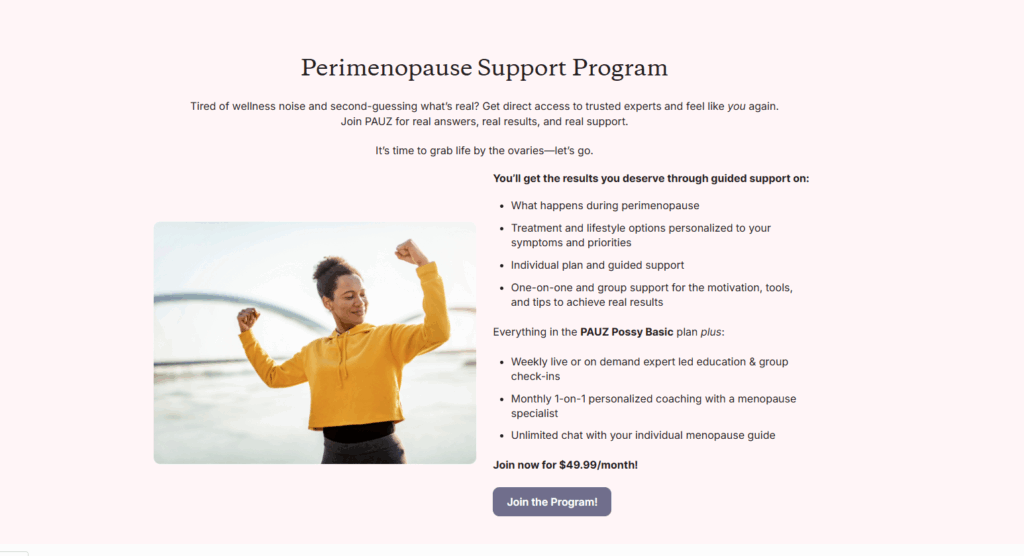
Tiered packaging gives clients an entry point and a clear path to deeper support. It also protects your calendar. Not every client needs one-on-one access right away.
Managing Your Practice with the Right Tools
Here’s where Paperbell becomes genuinely useful. Instead of juggling multiple tools, Paperbell handles everything in one place:
- Your Coaching Website: Set up a professional site in minutes that showcases your menopause packages. Customize it with your messaging about supporting women through this transition.
- Package Management: Create different packages, including free discovery sessions. Set your prices, payment plans, and package details all in one spot.
- Client Onboarding: Use Paperbell’s built-in surveys to create menopause-specific intake questionnaires. Ask about symptoms, health history, and goals before the first session.
- Content Delivery: Share digital resources like symptom trackers, meal plans, or movement guides, dripped out over time to match your program timeline.
- Scheduling: Let clients book based on your availability. No back-and-forth emails.
Try Paperbell for free and get your menopause coaching practice launched without the tech headache.
Building Credibility in the Menopause Coaching Space
Certification is your foundation. But here’s what builds a reputation on top of it:
- If you’ve been through menopause yourself, share your story in your marketing content — personal experience creates a level of trust no credential can replicate
- Write blog posts answering the questions your ideal clients are already Googling
- Share practical tips on social media consistently
- Host free workshops or a virtual summit to demonstrate your expertise
- Build relationships with local gynecologists, women’s health providers, and wellness centers who can refer clients to you
- Ask early clients for testimonials while the results are still fresh
Menopause research evolves quickly. Stay current by staying connected to the professional communities inside your certification program.
FAQs About Menopause Coaching
How much does a menopause coach cost?
Most certified menopause coaches charge $100–$200 per session. Packages typically run $500–$2,500 depending on length and support level. Group programs often cost $300–$800 per person.
What does a menopause coach do?
Menopause coaches help women manage symptoms through nutrition, exercise, stress management, and lifestyle strategies. They provide education, accountability, and emotional support — the kind of ongoing, personalized guidance that a standard doctor’s appointment simply can’t provide.
How do you become a menopause coach?
The fastest path is completing a dedicated menopause coaching certification like those listed above. Look for programs that are accredited by a recognized body, include practical coaching skills alongside the health knowledge, and have real graduate success stories you can verify.
Do you need to be certified to become a menopause coach?
It’s not legally required, but certification gives you the knowledge, credibility, and confidence to actually help your clients. Most clients actively look for certified coaches in this space, particularly given how medically complex menopause can be.
Can men become menopause coaches?
Yes. Many men work as health coaches supporting women through menopause, particularly in fitness, nutrition, and mental health capacities. The certifications listed above are open to all genders. That said, some clients do prefer a coach with lived experience, so knowing your market matters.
What tools help run a menopause coaching business?
Paperbell handles booking, payments, contracts, client onboarding, and digital resource delivery all in one platform. It’s a clean way to launch and manage your practice without needing five different apps.
Ready to Get Certified And Build Your Menopause Coaching Practice?
Women going through perimenopause and menopause are hungry for real support — the kind that’s personal, practical, and actually accounts for what’s happening in their bodies. That’s the gap you can fill.
Certification gives you the knowledge. A clear practice setup gives you the business. And when you’re ready to put it all together, Paperbell makes the admin side simple so you can focus on what you do best.
Try Paperbell for free and launch your menopause coaching practice without the tech overwhelm.