

You’ve probably seen both terms thrown around: recovery coach and sober coach. Maybe you’re someone who wants to hire one. Or maybe you’re a coach thinking about specializing in this space.
Here’s something most articles don’t say upfront: they’re the same thing.
“Sober coach” and “recovery coach” are used interchangeably to describe a non-clinical professional who supports people through sobriety and addiction recovery with accountability, structure, and practical guidance. The terms overlap heavily, and the role is the same regardless of which name you use.
This guide covers both sides of that equation: what a sober or recovery coach actually does, how to find a good one, and how to build a real practice if this is a path you’re drawn to.
Important: Recovery coaching and sober coaching are supportive, non-clinical services. A sober coach or recovery coach is not a licensed therapist, counselor, or medical professional and cannot provide diagnosis, treatment, or medical advice. If you or someone you love is in crisis, contact the Substance Abuse and Mental Health Services Administration (SAMHSA) National Helpline at 1-800-662-4357 (free, confidential, available 24/7 in English and Spanish) or dial 988 for the Suicide and Crisis Lifeline.
Got it? Good. Let’s get into it.
If you’re a coach building a recovery or sober coaching practice, try Paperbell for free to manage your scheduling, packages, and client payments in one place.
What Is a Private Recovery Coach (or Sober Coach)?
A private recovery coach (also called a sober coach or addiction recovery coach) is a non-clinical professional who works one-on-one with a client in sobriety or recovery from substance use.
The word “private” distinguishes this from group programs or institutional settings. A private sober coach works directly with you, on your schedule, at the pace your life requires.
What does that actually look like day-to-day?
- Regular one-on-one sessions (in person, by phone, or video)
- Goal-setting and accountability check-ins
- Help building and sticking to a recovery plan
- Support handling triggers, social situations, and setbacks
- Practical help connecting to community resources (meetings, treatment referrals, support groups)
- Life skills work: routines, relationships, employment, finances
- Ongoing encouragement during the ups and downs of recovery
What a recovery coach does NOT do: prescribe medication, provide therapy, diagnose conditions, or replace clinical treatment. That’s an important distinction we’ll come back to.
According to the Substance Abuse and Mental Health Services Administration (SAMHSA), recovery is a process of change through which individuals improve their health and wellness, live self-directed lives, and strive to reach their full potential. Recovery coaches support that process from the inside out, walking alongside someone rather than treating them from above.
Sober Coach vs Recovery Coach: Is There Any Difference?
Functionally, no. The two terms are largely interchangeable in 2026.
Some coaches prefer “recovery coach” because it feels more formal or credentialed. Others use “sober coach” because it’s what their clients search for and what the general public understands. You’ll see both terms on coaching websites, directory listings, and certification programs.
A few subtle distinctions you might encounter:
- “Sober coach” often implies a focus specifically on alcohol or substance sobriety, and may carry a more lifestyle-based framing (sober living, sober social skills, sobriety maintenance after treatment)
- “Recovery coach” can be slightly broader, sometimes extending to behavioral addictions or mental health recovery, depending on the coach’s training
- “Sober companion” is a related but distinct role: a sober companion provides in-person, sometimes round-the-clock support, often immediately after a client leaves treatment. Think on-site presence vs. scheduled sessions.
For most purposes, whether you’re hiring or building a practice, the terms mean the same thing.
What Is the Difference Between a Sober Coach and a Therapist?
The answer matters whether you’re a client looking for support or a coach figuring out your scope of practice.
Training and Credentials
A licensed therapist or addiction counselor typically holds at minimum a master’s degree in a clinical field (social work, counseling, psychology) and a state license that requires hundreds of supervised clinical hours. Licensed Clinical Social Workers (LCSWs), Licensed Professional Counselors (LPCs), and Certified Alcohol and Drug Counselors (CADCs) operate under strict regulatory frameworks.
A recovery coach or sober coach is not required to hold a clinical license. Many earn a coaching certification through programs accredited by the Connecticut Community for Addiction Recovery (CCAR) or credentialed by the International Certification and Reciprocity Consortium (IC&RC). Requirements vary significantly by state, and some states have no formal requirements at all.
What They Can and Can’t Do
A therapist or counselor can diagnose mental health and substance use disorders, provide evidence-based clinical treatments (like Cognitive Behavioral Therapy), and in some cases prescribe medication or work alongside prescribers.
A sober coach or recovery coach cannot do any of those things. A recovery coach is not a doctor and has no medical training. They work in the space of support, accountability, and practical life skills. Not clinical intervention.
The Way They Work
Therapy typically involves a clinical model: assessment, diagnosis, treatment plan, sessions focused on processing past experiences. Coaching is present- and future-focused: where are you now, where do you want to be, and what steps will get you there?
Many people in recovery work with both a therapist AND a sober coach. They serve different needs, and there’s no competition between them. A coach fills the day-to-day accountability and support gap that even the best therapist can’t fill from a weekly 50-minute session.
Why People Hire a Private Sober Coach
If 12-step programs, inpatient treatment, or group therapy are free or lower-cost, why do people pay for a private sober coach?
A few reasons come up again and again:
Confidentiality and privacy. Group settings aren’t for everyone. Some clients (especially high-profile professionals, executives, or people with public lives) want support that stays completely private. A private sober coach offers that.
Personalization. A private coach adapts entirely to your situation: your schedule, your specific triggers, your career, your relationships. There’s no one-size-fits-all program.
Availability. Recovery doesn’t run on office hours. A sober coach can be available by text or call during high-risk moments, not just at the scheduled weekly session.
The gap after treatment. The transition out of a residential program or inpatient stay is one of the most vulnerable periods in recovery. A recovery coach can bridge that gap, providing continuity, structure, and accountability as a client re-enters daily life.
According to research published by the National Institutes of Health (NIH), peer support services (recovery coaching among them) are associated with reductions in substance use and improvements in treatment engagement and quality of life. The evidence base is growing.
How Much Does a Sober Coach Cost?
Recovery coach rates vary widely based on experience, location, availability, and the intensity of support offered.
General ranges you’ll see in 2026:
- Hourly sessions: $75–$300 per hour, with most coaches in the $100–$175 range for standard sessions
- Monthly retainer packages: $800–$3,000+ per month, often including multiple weekly sessions plus between-session availability
- Sober companion services (intensive, in-person): $500–$1,500 per day, sometimes more in major cities
- Group recovery coaching: $50–$150 per session (group programs; significantly lower per-person cost)
Most sober coaches are not covered by insurance. Coaching is not a clinical service and doesn’t bill as one. Some health savings accounts (HSAs) may be applicable, but coverage depends on how the service is classified. Always confirm with your insurance provider or HSA administrator.
If cost is a barrier, SAMHSA’s helpline (1-800-662-4357) can connect you with free or low-cost community recovery support services in your area.
How to Find a Sober Coach or Private Recovery Coach
Looking for a recovery coach for yourself or someone you care about? Here’s where to start:
- CCAR-certified coaches: The Connecticut Community for Addiction Recovery (CCAR) offers a directory of Recovery Coach Academy graduates
- IC&RC credentialed professionals: The International Certification and Reciprocity Consortium (IC&RC) credentials recovery coaches in many states; check their member board directory
- Psychology Today’s directory: Includes recovery coaches alongside therapists; filter by “recovery coaching” or “sober coaching”
- SAMHSA’s Behavioral Health Treatment Services Locator: findtreatment.gov lists local treatment and recovery support services
- Referrals from treatment programs: If someone is leaving a residential program, the facility often has referral relationships with sober coaches
When interviewing a potential sober coach, ask about their own recovery background (not all coaches are in long-term recovery themselves, but many are), their training and certification, their availability for between-session contact, and their approach to relapse if it happens.
If you’re a sober or recovery coach building your own practice, tools matter. Try Paperbell for free to set up your packages, handle scheduling, and get paid without juggling a dozen different apps.
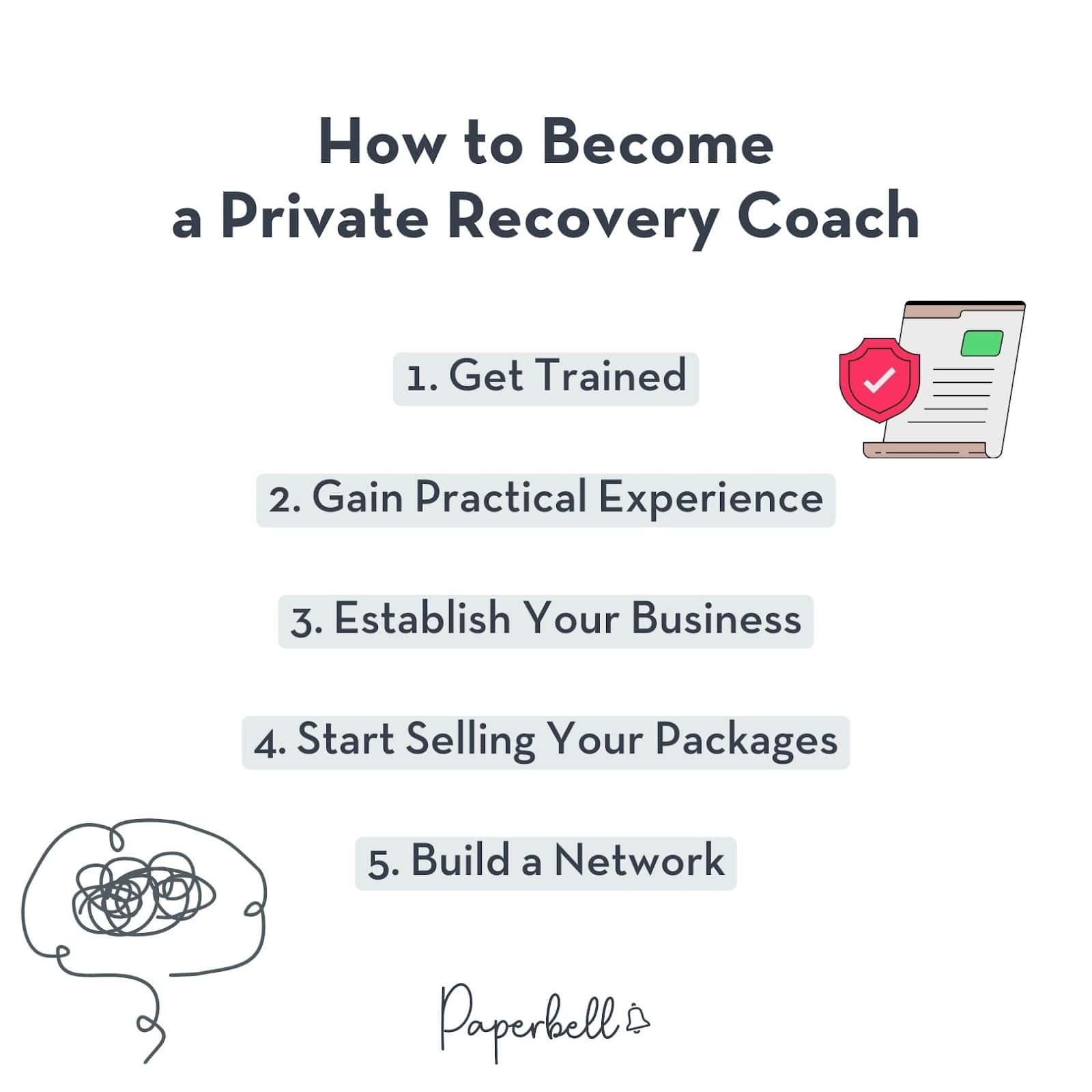
How to Become a Private Recovery Coach or Sober Coach
Drawn to this work yourself? Here’s what building a recovery coaching practice actually looks like.
1. Get Trained and Certified
No federal law requires certification to call yourself a recovery coach. But certification matters for credibility, insurance referral networks, and (in some states) legal scope of practice. More importantly, working with clients in active recovery without solid training is a disservice to them.
Three well-respected programs in 2026:
- Recovery Coach Academy (CCAR): A five-day intensive program from the Connecticut Community for Addiction Recovery. Widely recognized, grounded in lived experience and evidence-based recovery principles. Check ccar.us for current pricing and schedule.
- IC&RC Recovery Coach credential: The International Certification and Reciprocity Consortium offers the Peer Recovery Specialist (PRS) credential in many states. Requirements vary by state board; see internationalcredentialing.org for details.
- IAPRC certification: The International Association of Professional Recovery Coaches offers training and certification with a strong business-building component alongside clinical skills. Visit iaprc.org for current details.
Note: All program pricing should be verified directly with the providers before enrolling. Rates change and the information in this post may not reflect current pricing.
If your state has specific regulatory requirements, check with your state’s health or behavioral health licensing board or consult SAMHSA’s guidance on recovery support services.
2. Gain Practical Experience
Most certification programs include supervised hours or practicum components. But early experience beyond that can come from:
- Volunteering with community recovery organizations (AA, SMART Recovery, or local nonprofits)
- Working as a peer support specialist at a treatment center or community health organization
- Co-facilitating recovery support groups
- Pursuing supervised coaching hours with an established recovery coach as a mentor
If you have personal recovery experience, that can be one of your strongest assets. Many of the most effective sober coaches bring lived experience alongside their training. Just be thoughtful about how and when you share it with clients. It’s your story to tell on your terms.
3. Build Your Practice Foundation
Once you’re trained and are gaining experience, you’ll need the business infrastructure to work with private clients:
- Niche clearly. “Recovery coach” is broad. Consider: do you focus on post-treatment transition? High-functioning professionals? Alcohol specifically? Families of people in recovery? A clear focus makes your marketing much more effective.
- Build your website. Your site is how potential clients find you and decide whether to trust you. Include your background, credentials, approach, and a clear way to book a consultation.
- Set up your packages. Recovery coaching is typically relationship-based, ongoing work (not one-off sessions). Monthly retainer packages tend to work well because they reflect the sustained support clients need.
- Handle the logistics. Scheduling, contracts, payments, session notes: all of this needs to be organized before you have your first paying client, not after. Having clean systems from the start makes you look professional and helps you avoid admin overwhelm as your practice grows.
4. Get Paid for Your Work
Pricing is one of the areas new recovery coaches wrestle with most. The range is wide (see the cost section above), and what you charge should reflect your experience, your niche, the intensity of support you offer, and your market.
A few things to consider:
- Package pricing tends to work better than hourly billing for recovery coaching. It creates commitment, reduces the “is it worth it this week?” calculus for clients, and gives you predictable income.
- Sliding scale or income-based pricing can expand access without devaluing your work. Offer a limited number of reduced-rate spots while keeping the rest of your practice at full rate.
- Be clear about what’s included: session frequency, between-session availability, communication method, and what happens in a crisis or relapse situation
5. Build Your Network
The best referral source for recovery coaches tends to be other professionals in the ecosystem: therapists, treatment programs, psychiatrists, social workers, and family coaches. They work with people who need exactly what you offer, and they refer constantly.
Get to know professionals in your area. Introduce yourself and your specialty clearly. Offer to take a call, attend a local behavioral health meeting, or speak to a treatment program’s alumni group.
Online communities for people in recovery (subreddits, Facebook groups, sober social media) can also be genuine referral sources if you show up consistently and helpfully, not just to promote your services.
5 Recovery Coaches to Follow and Learn From
Want to see what an established recovery coaching practice looks like? These coaches are doing the work:
Tanya D
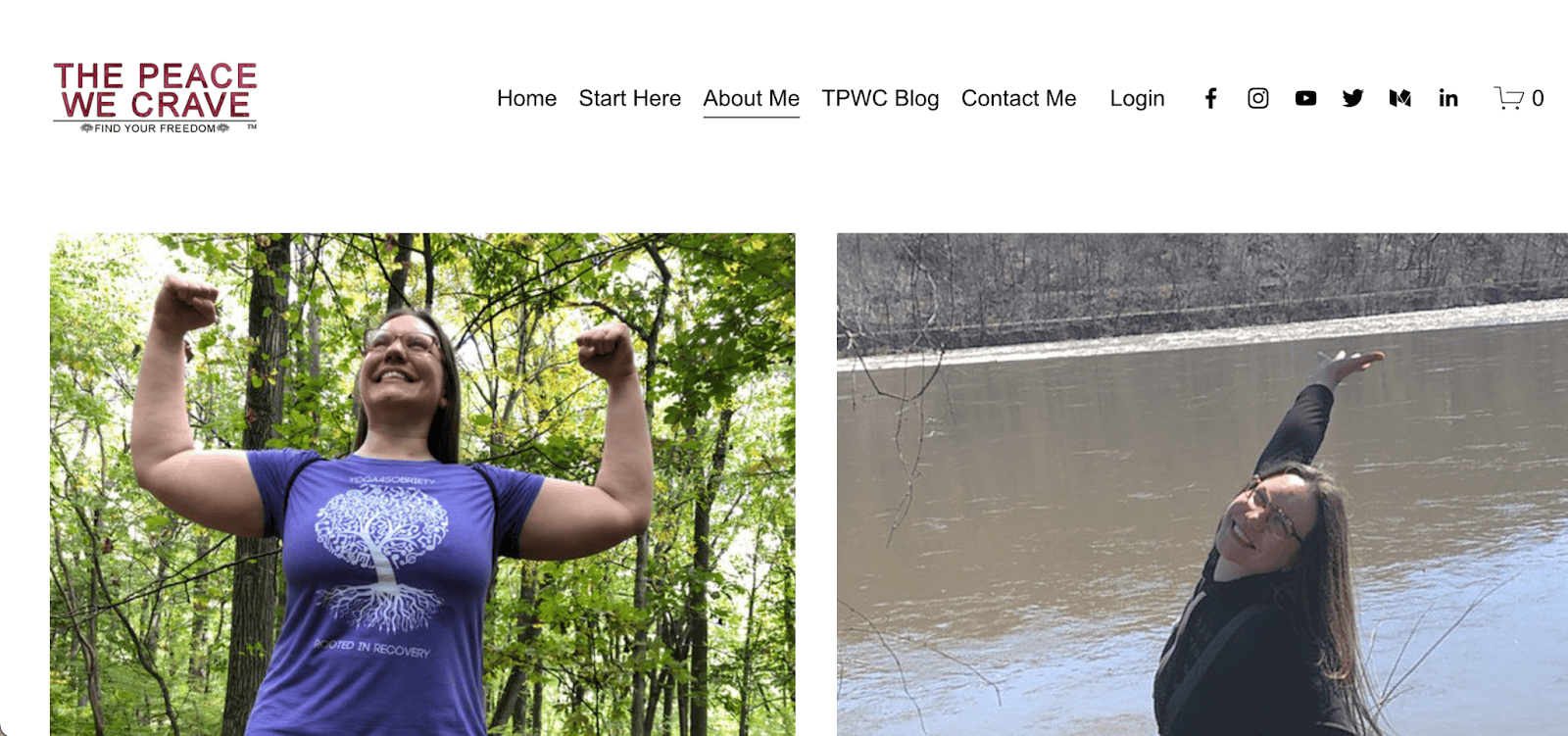
Tanya focuses on recovery, wellness, and reconnecting clients with purpose after sobriety. She’s known for her authentic, lived-experience approach and active social media presence sharing what recovery really looks like from the inside.
Michael Walsh
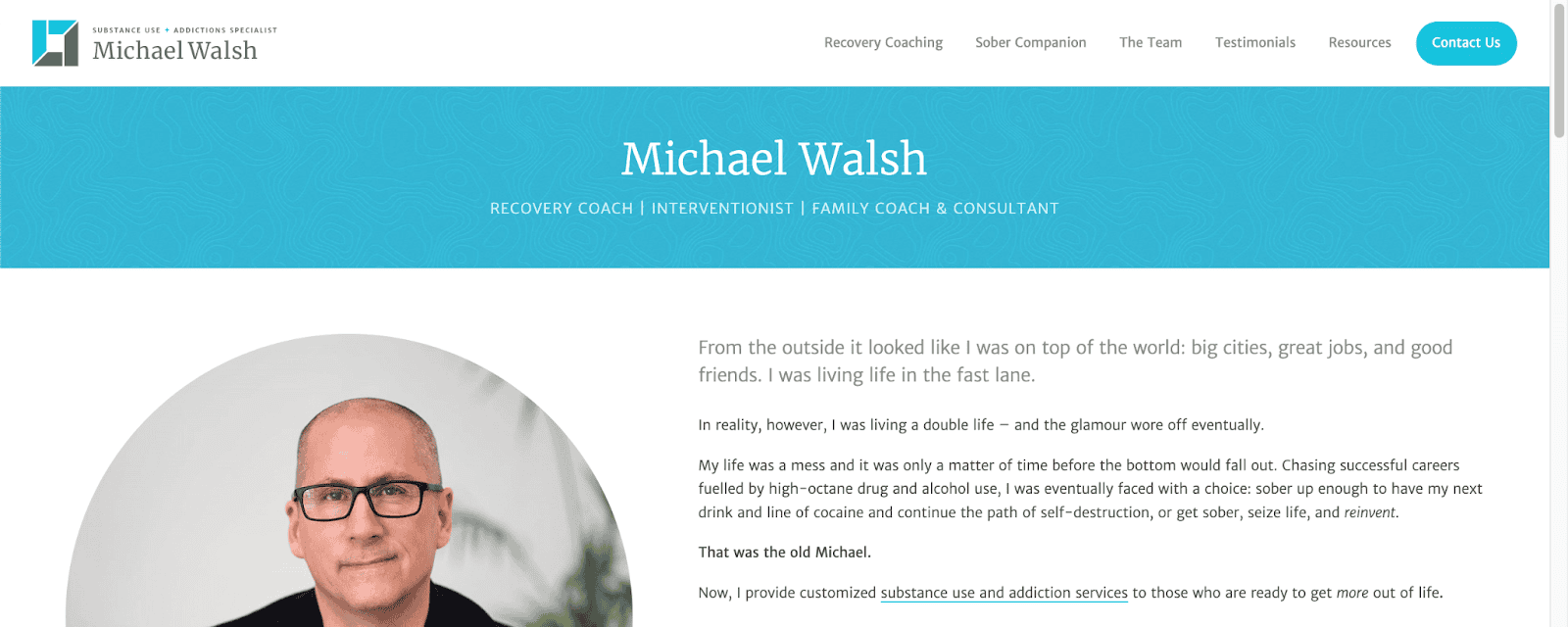
Michael brings both personal recovery experience and formal coaching training to his practice. He focuses on helping clients build a sustainable sober life beyond just stopping use: rebuilding identity, relationships, and direction.
Savannah Esposito
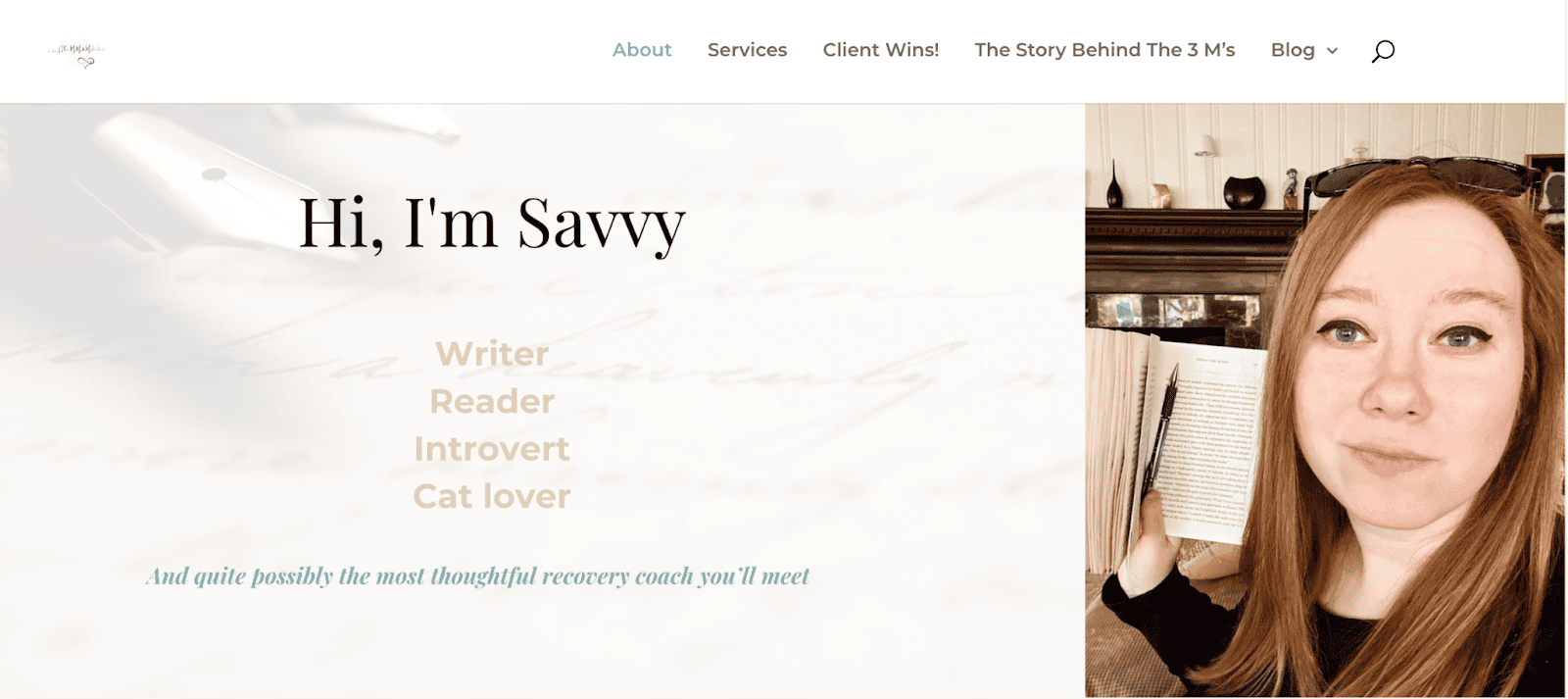
Savannah works with clients in early recovery, emphasizing holistic wellness and the lifestyle changes that support long-term sobriety. She’s built a practice that combines accountability coaching with community connection.
Bob Marier
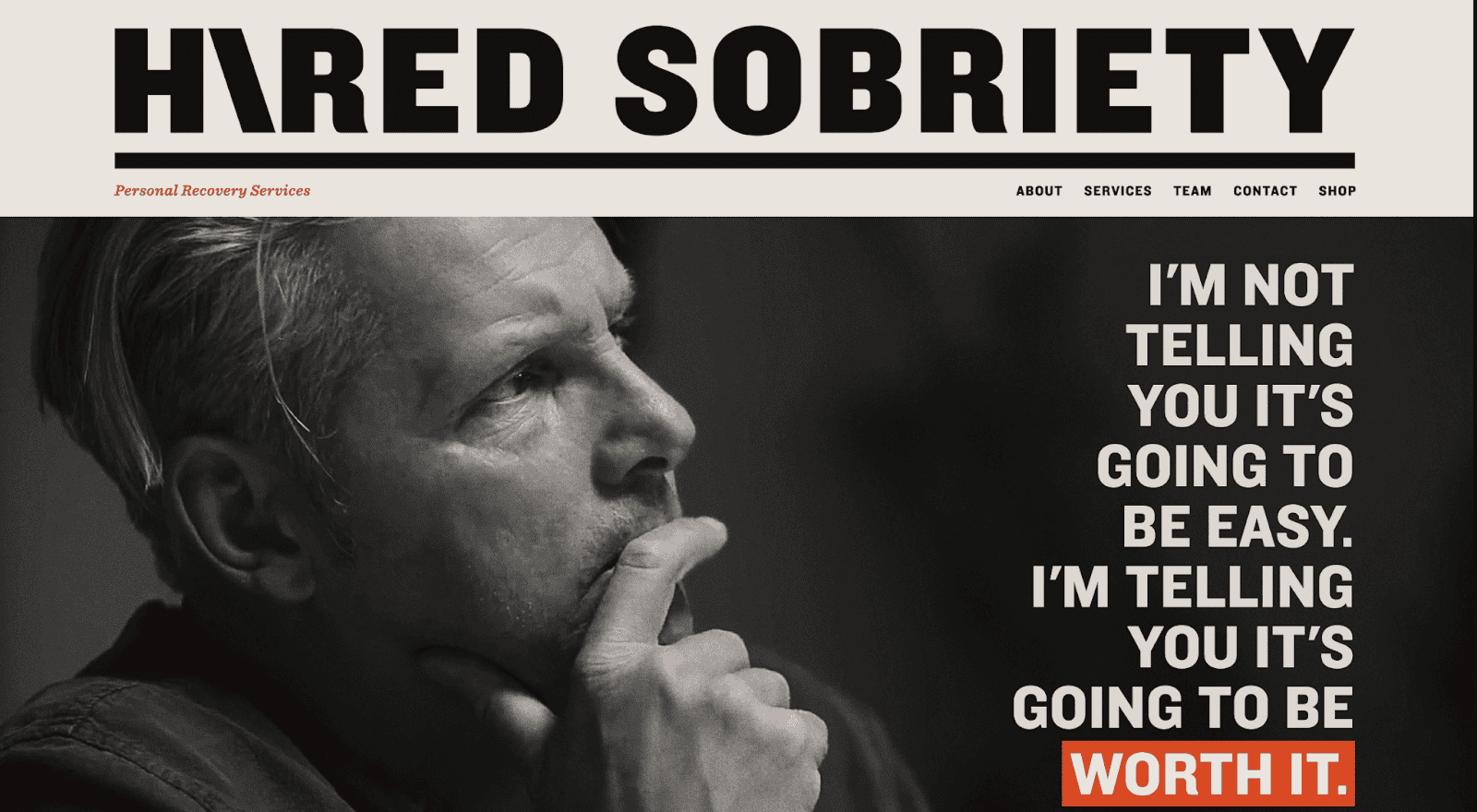
Bob is a certified recovery coach and trainer with a background in peer support services. He’s both a practitioner and an educator in the recovery coaching field.
Brad Lamm
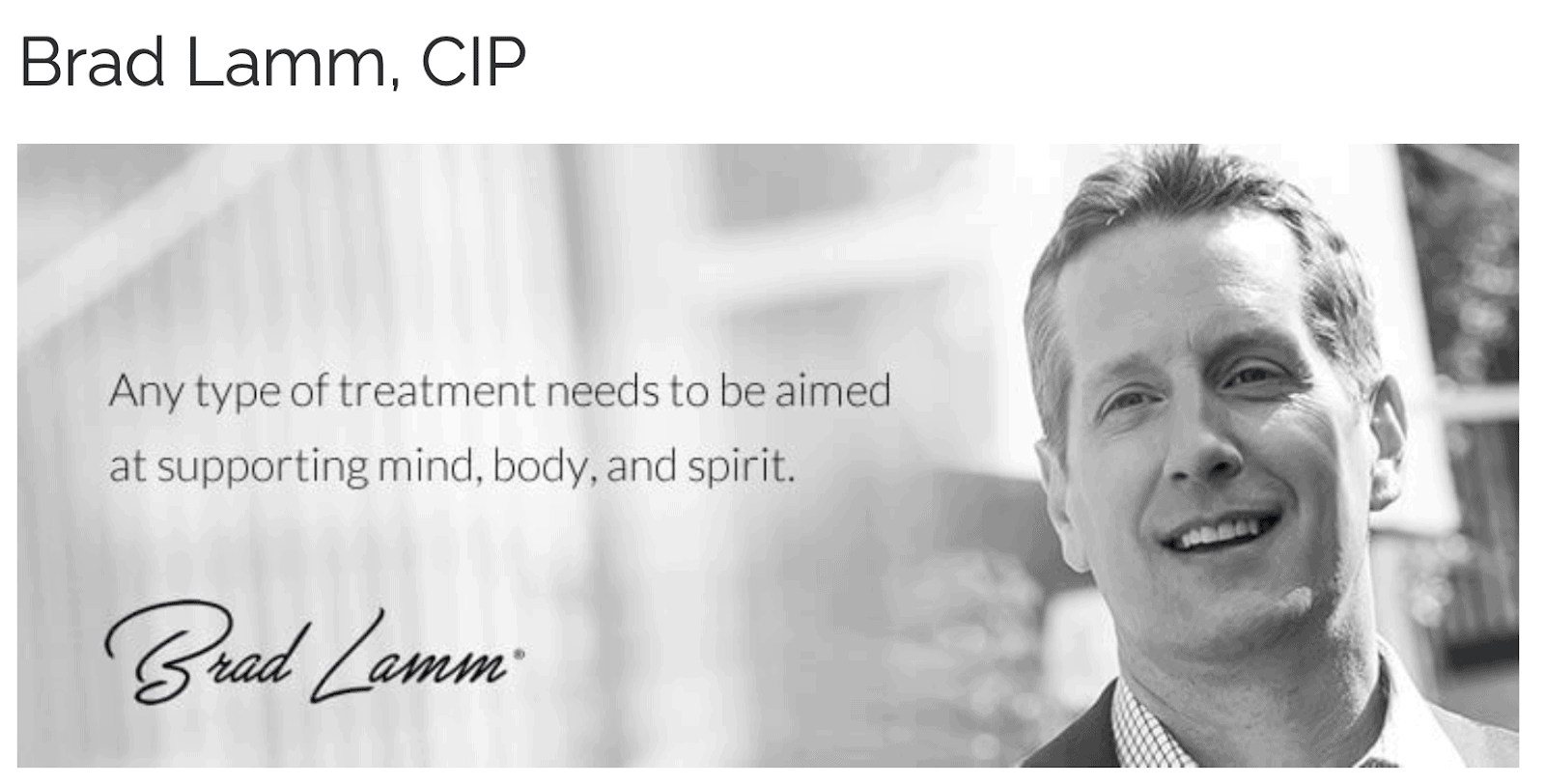
Brad is an interventionist, author, and recovery coach who has worked in addiction recovery for decades. His practice blends intensive intervention work with ongoing coaching support for clients and their families.
Running the Business Side of a Sober Coaching Practice
This is where a lot of coaches struggle. You got into this work because you want to help people, not because you love chasing down invoices or manually scheduling consultations across multiple time zones.
The good news? The admin side of a coaching practice doesn’t have to be a mess.
The core things you need to have organized:
- Scheduling: Clients need to be able to book consultations and sessions without a back-and-forth email chain. An online booking tool that handles time zones and confirmation emails removes friction from the start of every relationship.
- Contracts and intake: Before working with any client, you need a signed coaching agreement that clearly states your scope of practice, confidentiality, payment terms, and what happens in a crisis. This protects both of you.
- Payments: Set up clean package pricing upfront. Clients entering recovery coaching are making a commitment; get payment sorted before the first session, not after.
- Client communication: A secure, professional way to share resources, session notes, and follow-ups between appointments.
Paperbell is a tool built specifically for private coaching practices that handles all of this in one place: scheduling, payments, contracts, intake forms, and client portal. It’s not built specifically for recovery coaches, but if you’re running a private coaching practice of any kind, it keeps the business side clean so you can focus on the work that actually matters.
Ready to set up your sober coaching practice on a solid foundation? Try Paperbell for free and get your scheduling, packages, and payments organized before your next client comes through the door.
Frequently Asked Questions
What is a sober coach?
A sober coach is a non-clinical professional who supports someone in maintaining sobriety and building a fulfilling life in recovery. The terms “sober coach” and “recovery coach” are largely interchangeable. They offer accountability, practical support, and ongoing encouragement. Not clinical treatment. For a crisis, contact SAMHSA’s helpline at 1-800-662-4357.
What is the difference between a sober coach and a therapist?
A therapist or addiction counselor holds a clinical license, can diagnose conditions, and provides evidence-based clinical treatment. A sober coach or recovery coach is not licensed clinically and does not diagnose or treat. Coaches focus on accountability, action planning, and day-to-day support. Many people work with both at the same time. They serve genuinely different needs.
How much does a sober coach cost?
Most private sober coaches charge $100–$175 per hour for individual sessions, or $800–$3,000+ per month for a retainer package that includes regular sessions and between-session availability. Rates vary based on experience, location, and the level of support involved. Recovery coaching is generally not covered by health insurance.
Do you need a certification to become a recovery coach?
There is no federal certification requirement to call yourself a recovery coach. However, most credible practices are built on formal training through programs like CCAR’s Recovery Coach Academy or IC&RC’s Peer Recovery Specialist credential. Some states are developing or have developed their own requirements. Certification matters for your credibility, for referral relationships with clinical providers, and for serving your clients well.
Is a sober coach the same as a sober companion?
Similar, but not identical. A sober companion typically provides intensive, often in-person support (sometimes around the clock), usually in the immediate period after a client leaves a treatment facility. A sober coach or recovery coach typically works via scheduled sessions (in person or remote) on an ongoing basis. Sober companions charge significantly higher rates due to the intensity of support.
How do I find a private recovery coach?
Start with CCAR’s directory of Recovery Coach Academy graduates (ccar.us), the IC&RC member board directory, or Psychology Today’s coach/therapist search filtered to recovery coaching. You can also ask for referrals from a treatment program, therapist, or social worker. SAMHSA’s findtreatment.gov resource can connect you with local recovery support services.
Can a recovery coach help with relapse?
Yes, supporting clients through and after relapse is part of a recovery coach’s role. A good coach treats relapse as information, not failure, and helps the client understand what happened and strengthen their plan going forward. That said, a relapse involving medical risk (severe withdrawal, overdose) requires immediate clinical or emergency intervention, not coaching support alone. Always have emergency numbers ready.