

Art has long been a bridge between emotion and understanding, and a way to express what we struggle to verbalize with words. As coaching evolves, more and more practitioners are turning to creative tools to help clients gain insight and heal.
Art therapy life coaching blends creative expression with structured guidance to facilitate transformation. Read on to learn:
- What art therapy is and why it’s so needed today
- How art therapy coaches work with clients
- How to become one
- Top certification options you can take
- Plus, a tool to help you manage your art therapy practice
What Is Art Therapy?
Art therapy is a creative approach to emotional expression and self-discovery. It helps people process thoughts and feelings through visual art rather than verbal analysis.
You don’t need to be good at art to benefit from it because the act of creating is the therapy itself. The goal isn’t to produce a masterpiece but to give shape to inner experiences that words can’t always capture.
The Science Behind Art Therapy
More and more studies prove what humankind has always known intuitively: That making art relaxes us and allows us to heal both mentally and physically.
Recent research has shown that even a short session of art-making can measurably reduce our stress levels. For example, a 2025 study found that participants felt less anxious after a painting task compared with a non-creative activity.
Other studies from recent years have explored how art therapy can improve emotional regulation, sleep quality, and overall health.
Creative self-expression is highly individual, and it works differently for everyone. However, with the right instructor, it can create measurable positive changes in our lives.
Why Art Is Essential for Our Well-Being
Modern life leaves little room for tactile, creative exploration. Between screens, constant stimulation, and the pressure to always be productive, it’s easy to feel disconnected from our emotions and bodies.
Art-making offers a reset. A way to slow down, play, and process feelings without overanalyzing. The textures, colors, and movements engage the senses, grounding us in the present moment and allowing for a kind of release that’s both physical and emotional.
Whether through coloring, painting, collage, or sculpture, creative expression gives us permission to explore rather than fix. In a world obsessed with optimization, art reminds us that healing can come from simply being present and curious and allowing things to be imperfect.
What Is an Art Therapy Life Coach?
An art therapy life coach uses creative expression as a tool for emotional awareness and regulation. Instead of analyzing patterns or jumping into goal setting, this approach allows clients to explore feelings and aspirations through hands-on activities, like painting, drawing, or collage.
The coach’s role here is to facilitate reflection, not to interpret the art or evaluate its quality. A session might include:
- Practical art therapy exercises that reveal patterns, beliefs, or emotional blocks
- Journaling or discussion to connect what emerges in the art with real-life goals
- Intention setting to help clients apply their discoveries outside the session
Through training, therapeutic art processes can become a part of your life coaching toolbox to help clients grow.
Pro tip: Add creative exercises and journaling prompts to your art therapy packages using digital worksheets. You can upload them to your packages in Paperbell and have them automatically shared with clients.
Is Art Therapy Traditional Therapy?
No, art therapy life coaching isn’t the same as clinical art therapy. Licensed art therapists hold advanced degrees and are trained to assess and treat mental health conditions. Their work falls under psychotherapy and is regulated in most countries.
Art therapy coaches, on the other hand, work in a non-clinical capacity, and they don’t diagnose or treat mental illness. Instead, they help clients explore emotions, manage stress, and cultivate creativity. The focus is on self-discovery, not medical treatment.
How to Become an Art Therapy Coach
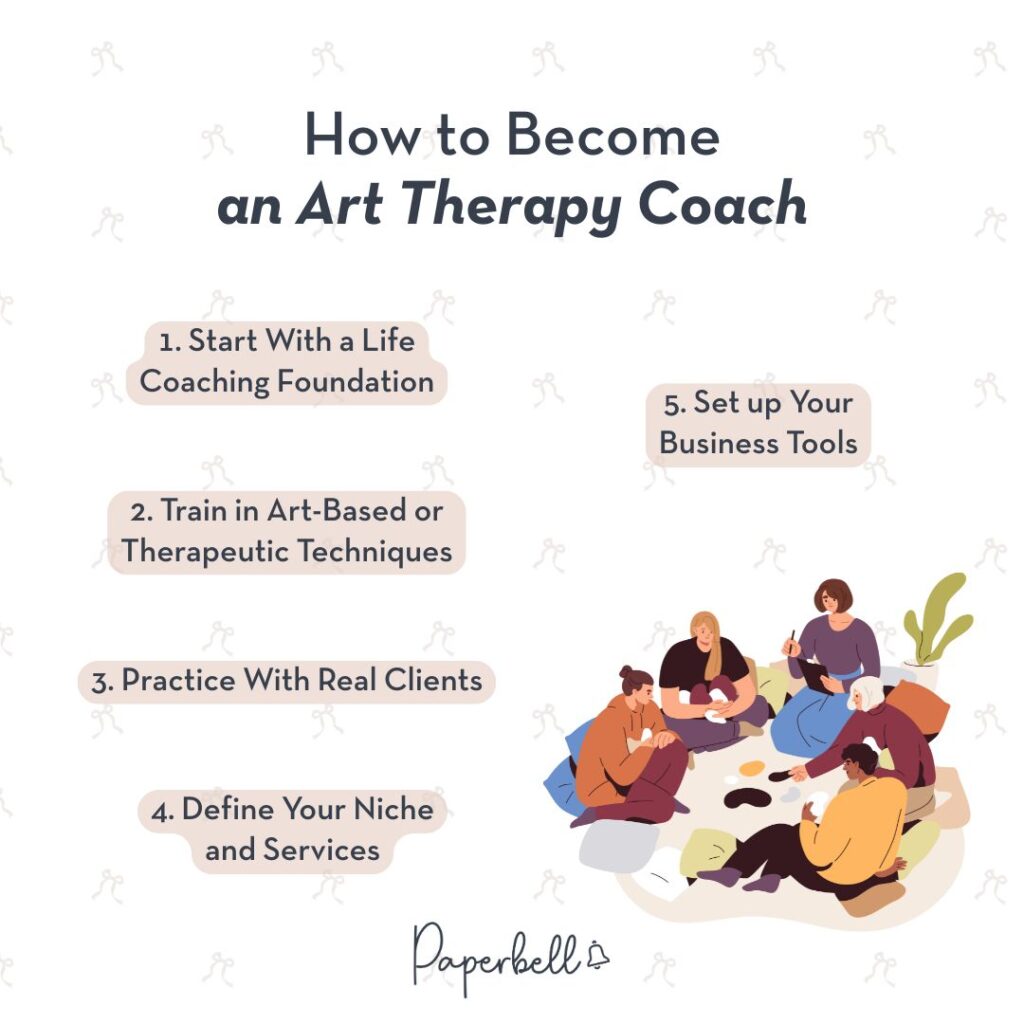
If you’re drawn to helping others through creativity, becoming an art therapy coach can be a rewarding career path for you.
You don’t need to be a professional artist or a licensed therapist to start. What matters most is learning how to use art safely and effectively as part of a structured life coaching process.
Here’s how to get there:
1. Start With a Life Coaching Foundation
Before adding art to the mix, it’s important to understand how coaching works. Recognized life coaching certification programs can teach you core coaching skills like goal-setting, active listening, and ethical guidelines.
Once you’re comfortable facilitating sessions, you can start blending creative methods into your work. Perhaps, even create your own.
2. Train in Art-Based or Therapeutic Techniques
Look for art therapy life coach certifications or expressive arts coaching programs that focus on emotional awareness through creativity.
These courses don’t make you a licensed art therapist but teach you art therapy techniques. In other words, how you can use drawing, painting, affirmation art, and other creative tools within a life coaching framework. We’ll list some of the top options below.
3. Practice With Real Clients
Once you’ve completed your training, start small and offer sessions to friends, volunteers, or within peer coaching groups.
Practice guiding clients through creative exercises, helping them reflect, and connecting their insights to personal or professional goals. The more you facilitate, the more natural your sessions will become.
4. Define Your Niche and Services
Some art therapy coaches help clients manage stress and heal emotional pain. Others work with creatives, teachers, or corporate teams to boost self-expression and innovation.
Decide who you want to serve with their personal development goals and design packages around that. A clear niche will make your practice easier to market and more impactful.
5. Set up Your Business Tools
Like any coaching business, you’ll need systems for bookings, contracts, payments, your website, and managing clients. Paperbell makes this simple and automated, so you can focus on your sessions instead of admin work.
For more details on setting up your business, check out our guide on the 3 Legal Requirements for Starting a Coaching Practice.
Top Art Life Coach Certifications
Here are some popular certifications for coaches integrating art therapy techniques. They are available online and range from affordable self-paced courses to more comprehensive programs.
Brief online courses will add creative tools to your methodology, while longer accredited programs can grant you a new specialization and credentials.
Therapeutic Art Life Coach Certification by Transformation Academy
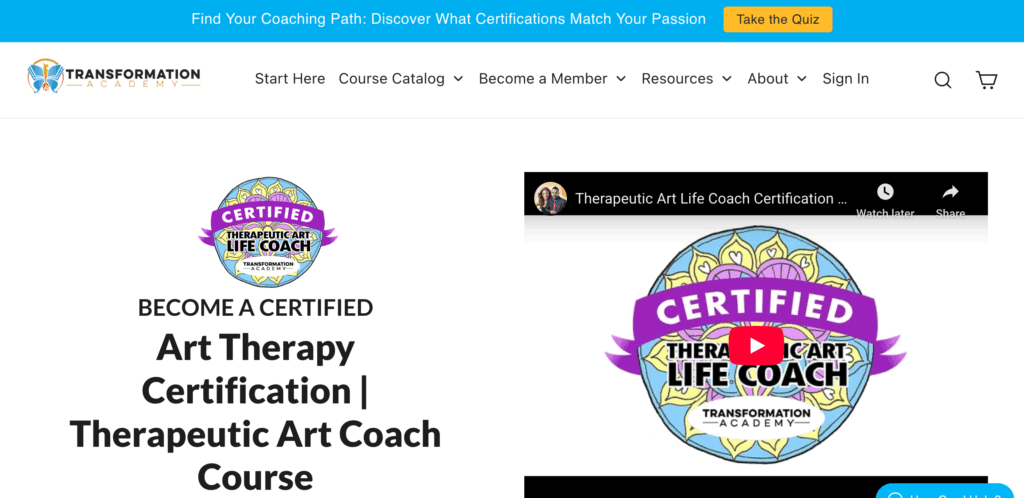
A self-paced online program designed for life coaches who want to use art as a tool for self-awareness and emotional expression in sessions. Accessible for beginners with no art or psychology background.
Highlights:
- Covers the psychology of art, therapeutic art techniques, symbolism, and color
- Teaches how to run creative exercises like mandalas, vision boards, and expressive drawing
- Includes templates, session ideas, and business integration tips
- Lifetime access with a certificate upon completion
Price: Originally $197, but also available on Udemy for $14.99.
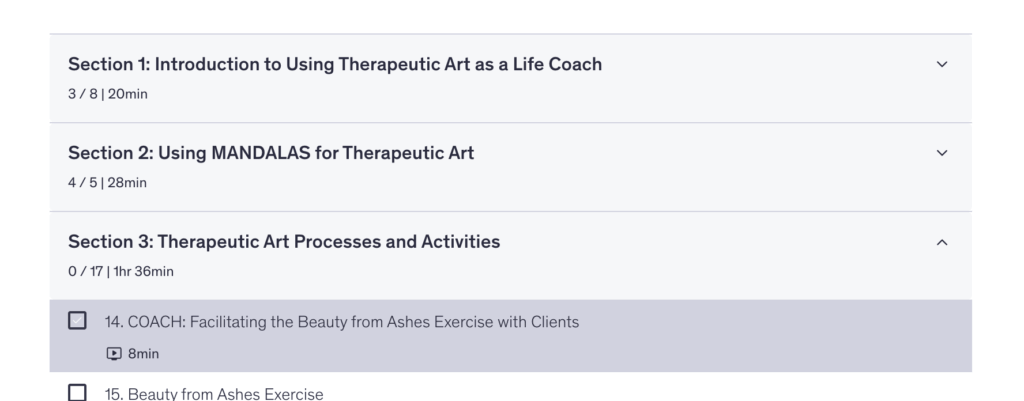
Here’s what one of our team members said after taking this course on Udemy:
“It’s a great basic course, and it was totally worth it for the price. It provided the theories and concepts needed along with practical videos on how to actually run your art therapy coaching sessions.” — Irene Chan, SEO Strategist
So if you want to familiarize yourself with the fundamentals of art therapy coaching, this is a great budget option.
Therapeutic Art Coach Training by the STILL Method
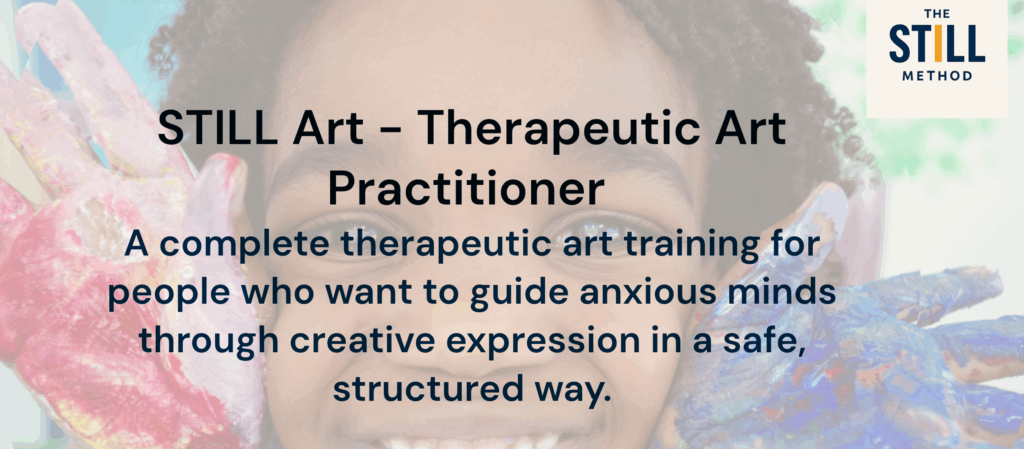
A UK-based interactive program combining live online workshops and self-study. Ideal for those who want hands-on practice and real-world application in anxiety- and stress-focused art coaching.
Highlights:
- Teaches structured, gentle art-based exercises
- Focuses on emotional regulation through color, metaphor, and line
- Includes live sessions, community support, and optional in-person modules
- Accessible without prior art or psychology training
Price: Currently £395 for the two-day training; check their calendar for other courses and updated pricing on art, grief, sleep, and anxiety coaching.
Expressive Arts Coaching Certification by FLOW Coaching Institute
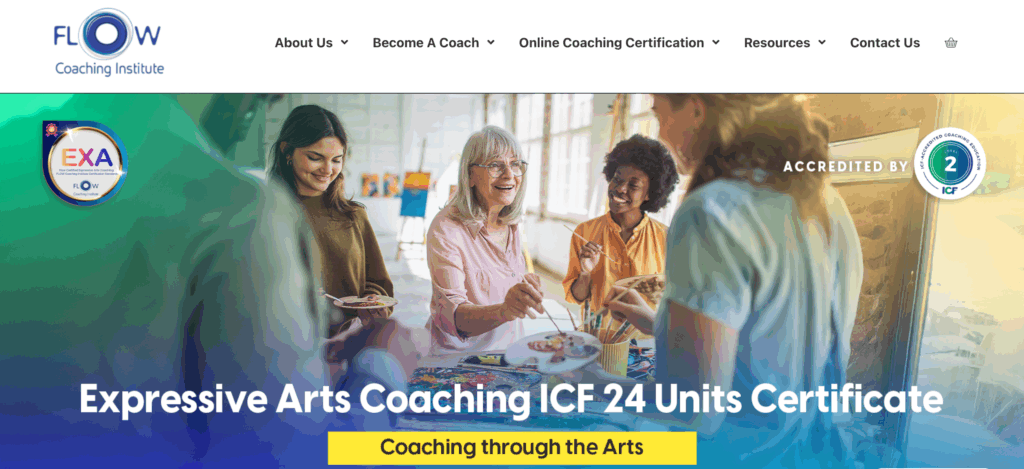
A professional-level online course for certified or aspiring coaches who want to integrate expressive arts into their coaching toolkit while earning ICF continuing education units.
Highlights:
- Covers art, storytelling, and movement as tools for emotional awareness
- Recognized by the International Coaching Federation (24 CCE units)
- Combines practical coaching demos with reflective art exercises
- Suitable for expanding existing coaching credentials
Price: $1,799
Art4Healing International Certification
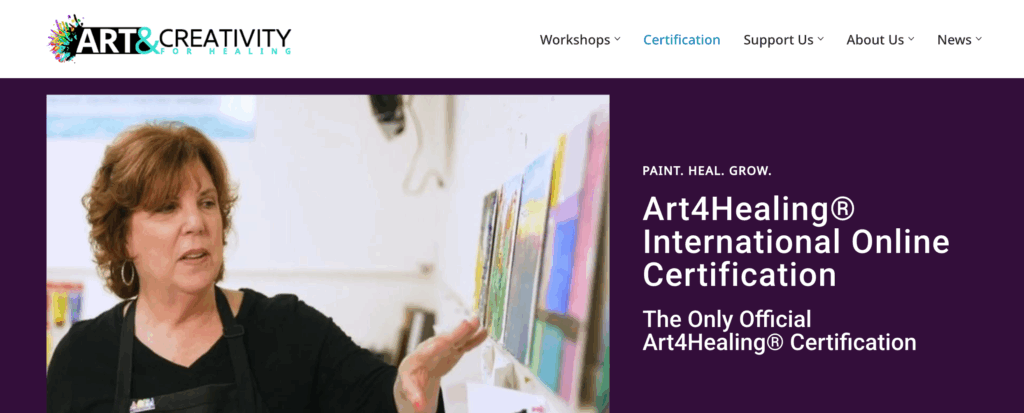
An online certification focused on using art for emotional release and wellness. Designed for coaches, counselors, teachers, and wellness professionals who want to lead therapeutic art sessions.
Highlights:
- Practical modules on facilitating group and individual art sessions
- Techniques for reducing stress and supporting emotional healing
- Supervised practicum and feedback opportunities
- Accredited continuing education hours (for select professions)
Price: $2,800 (doesn’t include art materials)
M.A. in Expressive Arts Coaching and Community Building by California Institute of Integral Studies (CIIS)
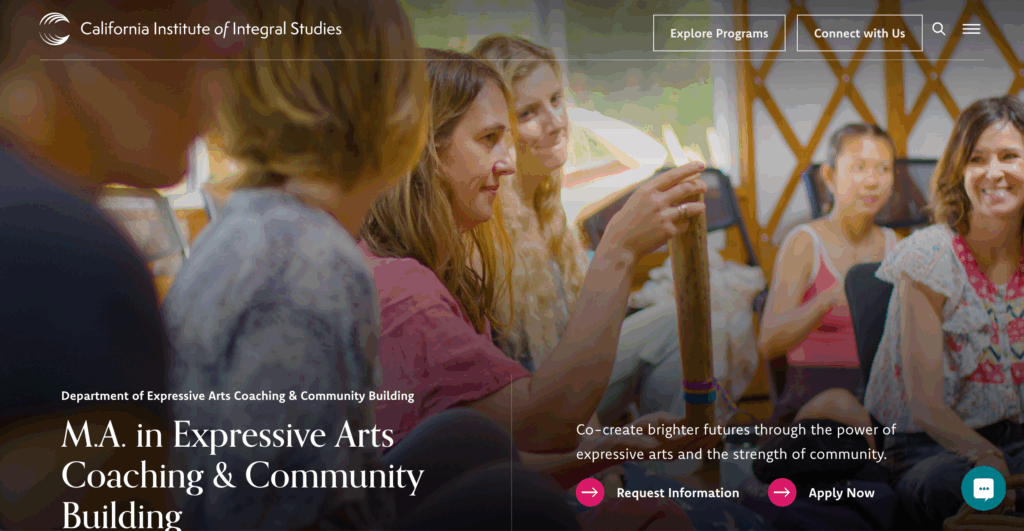
An academic, graduate-level program that combines expressive arts, coaching methodology, and community leadership. Best for those seeking a professional, credentials-backed specialization.
Highlights:
- Four-semester online master’s degree (32 units)
- Integrates experiential arts practice, research, and supervised projects
- Trains for individual and group facilitation in community or organizational settings
- Includes mentorship and academic advising
Price: $1,374 per unit (tuition fees may change each semester).
Run Your Art Therapy Coaching Practice With Ease
Helping clients express and heal through art takes time, presence, and emotional energy, not spreadsheets and endless email threads. Paperbell can help automate your admin so you can stay grounded and focus on creating space for transformation.
With Paperbell, you can:
- Create and sell custom coaching packages
- Get a ready-made, fill-in-the-blank coaching website
- Manage bookings, contracts, and payments from a single dashboard
- Deliver digital materials like art prompts or journaling guides automatically
- Give clients access to a dedicated portal where they can see sessions, notes, and resources
Try Paperbell for free with your first client to keep your art coaching practice organized and professional.
FAQ
What Is a Certified Art Life Coach?
A certified art life coach uses creative techniques like drawing or painting to help clients explore emotions and goals, usually backed by formal training in coaching and art-based methods.
How Do I Become Certified as a Life Coach?
To become a certified professional life coach, enroll in an accredited program and complete the required coursework and practice hours. Gain practical experience so you can apply your knowledge confidently with clients.
Which Life Coach Certification Is the Best?
The best certification depends on your goals, but programs accredited by the International Coaching Federation (ICF) are the most widely recognized globally.
What Is the Difference Between an Art Therapist and an Art Life Coach?
Art therapists are licensed mental health professionals who treat clinical issues. Art life coaches adapt art therapy techniques to fit their coaching process. They use creativity for self-discovery and growth, not diagnosis or therapy.