
You’re building a business, and you’re good at what you do. But a lot of the growth advice out there reads like it was written for someone with unlimited time and none of the same barriers that you have.
That’s where business coaching for women comes in: strategy, mindset, and honest guidance from people who get what you’re actually dealing with.
The 10 female business coaches below have each built something real: methodologies, businesses, books, and communities that have helped tens of thousands of entrepreneurs do better work.
They’re not here because they’re famous. They’re here because there’s something specific to learn from each of them. But first, here’s how to choose the right coach for where you are.
How to Choose a Business Coach as a Woman Founder
Before you follow anyone on this list, it helps to know what you’re looking for. The right business coach for you depends on where you are and what you need now, not on who has the biggest name. Here’s how to think it through.
Start with fit, not fame
A coach who has built a business like the one you want will usually teach you more than a bigger name whose model looks nothing like yours. Look for someone who understands your stage and your industry. Business coaching for women works best when the coach actually gets the realities you’re juggling with.
Match the format to how you work
Coaches deliver help in different ways, and the price usually follows the format:
- One-to-one coaching: the most personal and the most expensive.
- Group coaching and memberships: lower cost, plus peer support that many female entrepreneurs value as much as the coaching itself.
- Courses and self-paced programs: the most affordable, but you bring the accountability.
None is better than the rest. The best one is the one you’ll actually use. If you’re weighing a coach against a structured program, our roundup of the best business coaching courses is a useful next read, and the best life coaches guide helps if you’re comparing specialties.
Weigh methodology and credibility
Some coaches are mindset-first (Mel Robbins, Brené Brown). Others are tactical and operational (Amy Porterfield, Diane Helbig). Decide whether you need help with how you think or with what to do next.
Then check for evidence behind the pitch: real client results, outside press coverage, a body of work you can examine, and testimonials that name specific outcomes. Self-published claims with nothing behind them are a yellow flag.
Red flags worth walking away from
- Guaranteed income figures (“six figures in 90 days”). No ethical coach promises specific revenue.
- Pressure to sign up on the spot.
- Vague answers about what’s included or what it costs.
One more thing: the coaches profiled below aren’t paid placements. They’re independent picks, each with something specific to teach.
10 Top Female Business Coaches to Follow
1. Marie Forleo: The “Everything Is Figureoutable” Coach
If you want to understand how to build a coaching brand with genuine reach, Marie Forleo is worth studying closely.
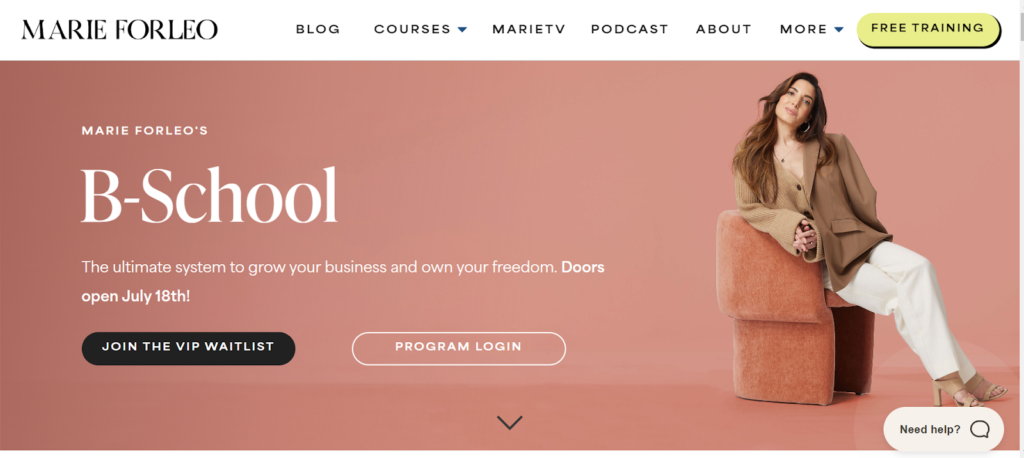
Marie built her business by showing up consistently with real value over years, not overnight. Her weekly show MarieTV, launched before video content was a strategy, became one of the most-watched business coaching resources on the internet.
She is:
- New York Times bestselling author of Everything Is Figureoutable
- Founder of B-School, an online academy that has helped tens of thousands of coaches and entrepreneurs build their businesses
- Named “a thought leader for the next generation” by Oprah
- Host of MarieTV, an award-winning show featuring successful entrepreneurs and leaders
- Listed as one of the “Most Inspiring Entrepreneurs” by Inc. Magazine
The lesson from Marie isn’t just about content. It’s about consistency. She picked a lane, showed up in it for years, and built trust gradually. That’s a playbook every coach can use.
“Perfectionism at its core isn’t about high standards. It’s about fear.” – Marie Forleo
2. Mel Robbins: The 5-Second Rule
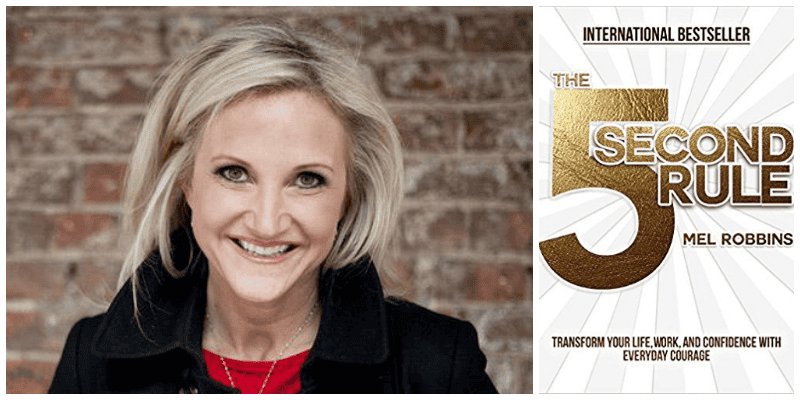
Mel Robbins built a business coaching empire by distilling a genuinely useful insight into a simple, memorable framework and teaching it everywhere.
As a business mindset coach, she focuses on getting people to act before their brains can talk them out of it. Simple premise, profound application.
She is:
- Author of the bestselling books The 5-Second Rule and Stop Saying You’re Fine
- Creator of online courses on confidence-building and goal-setting
- Motivational speaker with a TEDx talk, How to Stop Screwing Yourself Over, that received over 31 million views
- Award-winning CNN commentator
- Named one of the “Top 30 Global Gurus” by Leadership Magazine and one of the “Most Powerful Women in Business” by Forbes
What coaches can learn from Mel: your methodology doesn’t need to be complex to be powerful. A clear, teachable framework that solves a real problem is more valuable than a long credentials list.
“Do it anyway. Your life only gets easier when you do the hard things all the time.” – Mel Robbins
3. Amy Porterfield: The Online Marketing Expert
If you want to understand how to build an online coaching business through digital courses and email marketing, Amy Porterfield is required reading.
Amy started as a marketing consultant for brands like Harley Davidson and Tony Robbins before launching her own business teaching coaches and entrepreneurs how to sell digital products profitably.
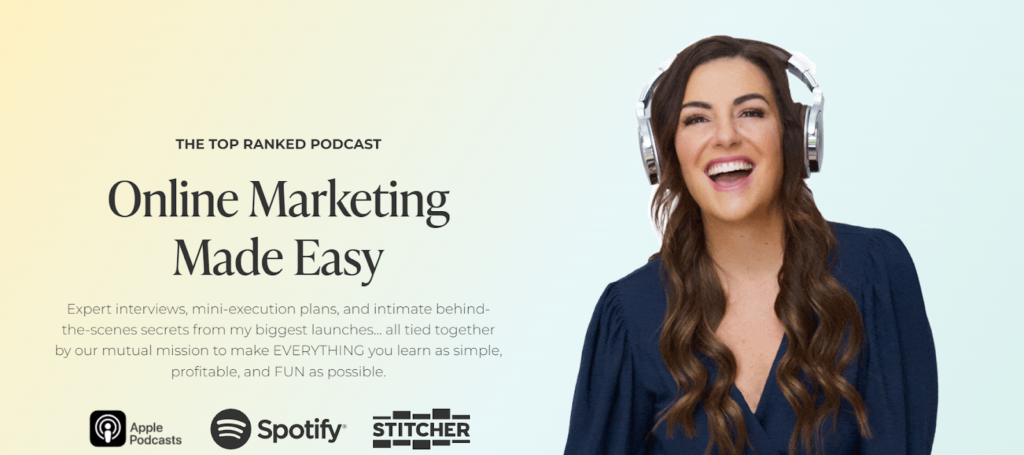
She is:
- Host of the Online Marketing Made Easy podcast
- Creator of Digital Course Academy and List Builders Society
- Named “Top 50 Online Marketing Influencers to Watch” by Entrepreneur and “Top 50 Social Media Power Influencers” by Forbes
Her approach: break complex marketing strategies into specific, actionable steps that people can actually implement. Subscribe to her email list for a masterclass in how email marketing should look for a coaching business.
“If you’re all in, two legs firmly planted, every tear, every letdown, every exhausted moment is going to be worth it ten times over.” – Amy Porterfield
4. Susan Sly: The Dynamic Business Coach
Susan Sly is one of those coaches who built her credibility through her own story. She overcame significant personal and business setbacks before building multiple successful companies, which gives her advice a weight that pure marketing expertise does not.
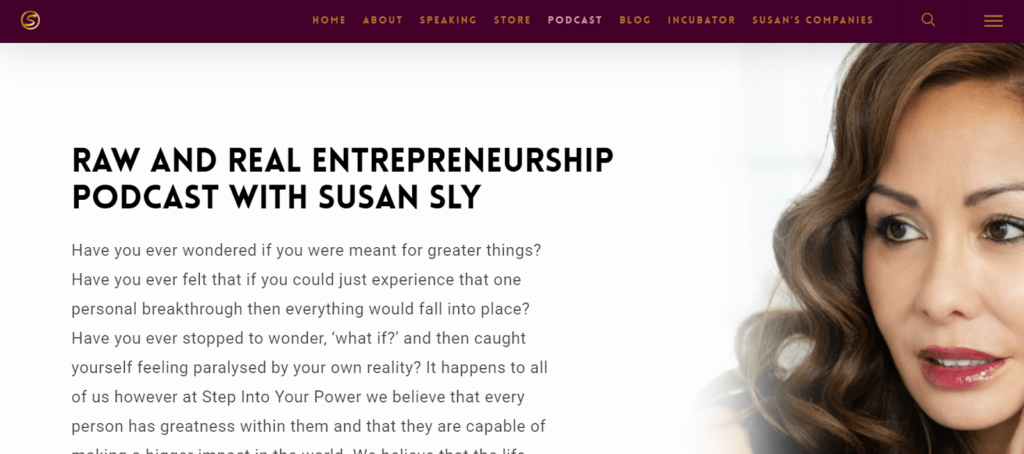
She is:
- Host of the podcast Raw and Real Entrepreneurship
- Founder of The Fem Boss Incubator and Step Into Your Power Inc.
- Featured on CNN, CNBC, and Fox Business
- Creator of courses on leadership and productivity
Pro tip: Ready to build your own coaching business? Try Paperbell for free to set up packages, bookings, and payments without the tech headache.
5. Tara McMullin: The Business Coach You Can’t Ignore
Tara McMullin (previously Tara Gentile) stands out in the business coaching space for one reason: she pushes back on the efficiency obsession that most business coaches promote.
Her argument? Most coaches are building businesses optimized for speed and scale when they’d be better off building something sustainable and meaningful. It’s a contrarian take, and it resonates with coaches who feel like conventional business advice doesn’t quite fit.
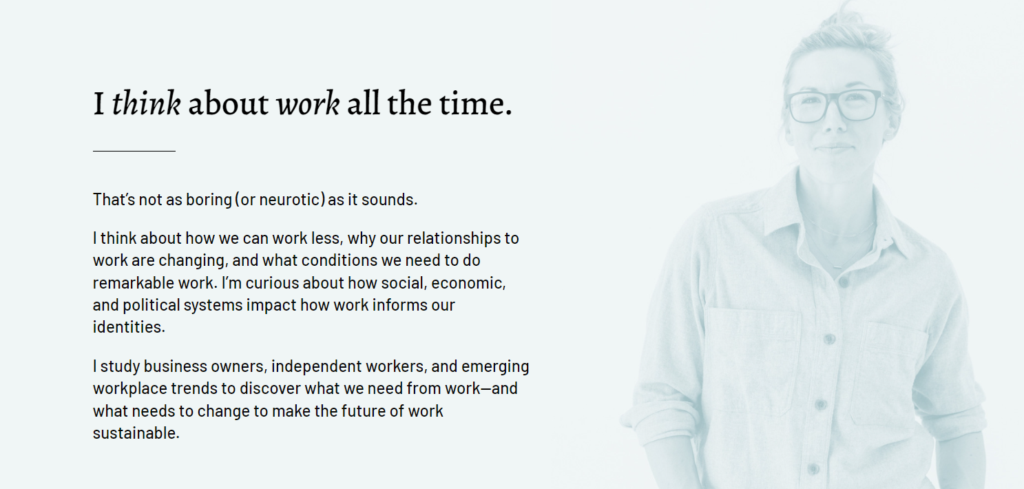
She is:
- Founder of CoCommercial, a digital small business community
- Author of Quiet Power Strategy
- Host of the podcast Profit.Power.Pursuit
- Named “Top 10 Most Influential Small Business Experts on Twitter” by Forbes
“While I certainly won’t deny the satisfaction of learning how to do a task faster, I do think it’s worth interrogating the way efficiency comes to shape our lives.” – Tara McMullin
6. Brené Brown: The Queen of Vulnerability
Dr. Brené Brown is a research professor at the University of Houston who turned decades of academic research on courage, vulnerability, shame, and empathy into one of the most influential bodies of work in modern leadership and personal development.
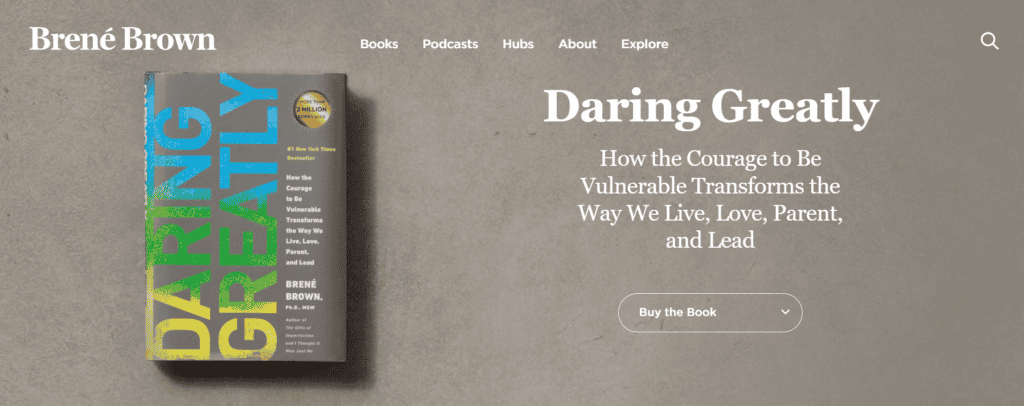
She is:
- A five-time #1 New York Times bestselling author
- Host of the podcast Unlocking Us
- Creator of online courses on bravery, leadership, and authenticity
- Author of Daring Greatly and The Gifts of Imperfection
Her TED Talk on The Power of Vulnerability is one of the most-watched in TED history. Start there if you haven’t already.
“Only when we are brave enough to explore the darkness will we discover the infinite power of our light.” – Brené Brown
7. Diane Helbig: Role Model to Small Business Owners
Diane Helbig has spent over two decades helping small business owners grow without compromising what makes their businesses worth having. Her focus is on sustainable growth through better selling, stronger leadership, and smarter strategy. Not chasing scale for its own sake.
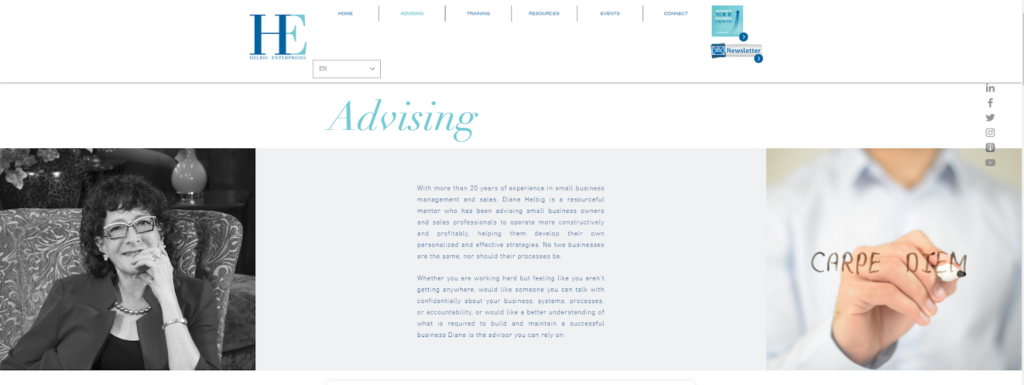
She is:
- Named one of the “Top Sales Influencers” by OpenView Partners
- Featured in Entrepreneur, HuffPost, and Sales World Magazine
- Author of Succeed Without Selling
- Host of the podcast Accelerate Your Business Growth
“Successful prospecting depends on selecting methods that you can effectively use. If something makes you uncomfortable, please don’t do it.” – Diane Helbig
8. Ali Brown: The Entrepreneurial Guru for Women
Ali Brown has been coaching women entrepreneurs to think bigger for well over a decade. Her focus is on high-level strategy and mindset for coaches and consultants who are ready to stop playing small.
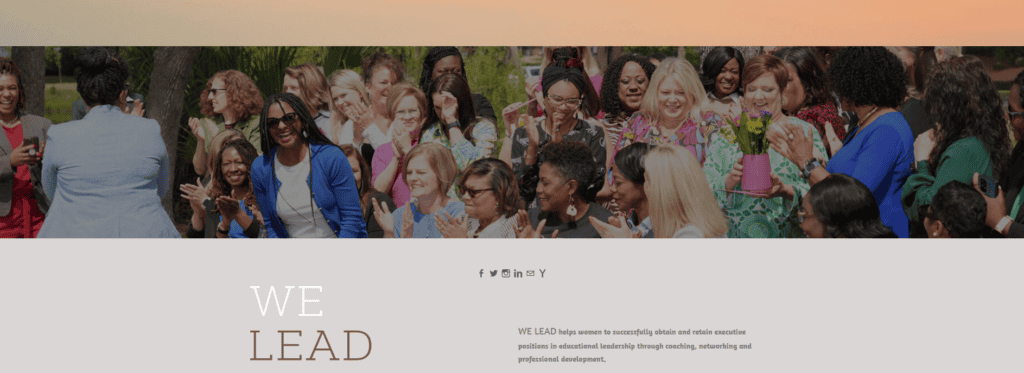
She is:
- Founder and CEO of Ali International and We Lead
- Named one of Forbes’ “Women to Watch” and Inc.’s “Top 10 Entrepreneurs”
- Featured in The Wall Street Journal, The New York Times, and CNN
- Host of the podcast Glambition Radio
“Make decisions not from where you are, but from where you want to be.” – Ali Brown
9. Rachel Rodgers: Helping Entrepreneurs Build Real Wealth
Rachel Rodgers is the CEO of Hello Seven and the author of We Should All Be Millionaires. Her coaching work centers on one specific outcome: helping women build seven-figure businesses on their own terms.
What sets Rachel apart is that she’s done it herself, and she’s genuinely direct about the systemic and mindset barriers that keep women from building real financial independence.
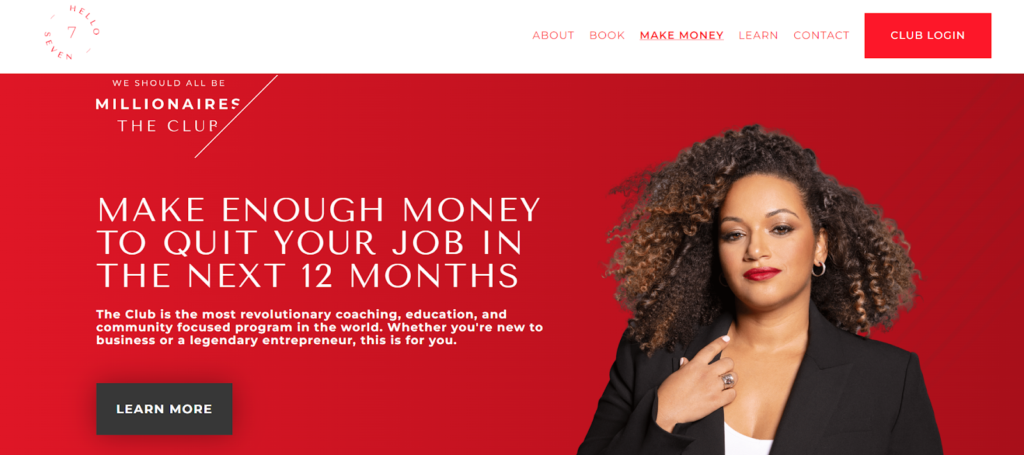
She is:
- Founder of the We Should All Be Millionaires Club
- Featured in Forbes, NBC News, Entrepreneur, Cosmopolitan, and The Washington Post
- Author of We Should All Be Millionaires
“Sixty percent of women never negotiate for higher pay, not even once in their entire career. If you are serious about building wealth, you must stop leaving money on the table.” – Rachel Rodgers
10. Selena Soo: Helping Coaches Become Visible
Selena Soo helps coaches and experts go from “hidden gem” to “household name.” Her specialty is visibility and PR strategy: the specific mechanics of getting your work in front of the right media, publications, and audiences.

She has helped her clients and students land features in Oprah Magazine, Forbes, and major podcasts. If you’re doing good work and feel like your best-kept secret, Selena is worth following.
She is:
- Creator of business masterminds and done-for-you publicity services
- Featured in Forbes, Fast Company, Inc., Business Insider, Entrepreneur, and HuffPost
Check out her Free Publicity Checklist. It’s a good lead magnet and a solid piece of value in its own right.
Why Learning From These Coaches Matters
Here’s the honest answer: business coaching is full of generic advice. “Be consistent.” “Niche down.” “Know your audience.” The coaches on this list go deeper than that.
They’ve Each Built Something Real
Every coach on this list has a track record, not just a following. They’ve created programs that produced actual client results, published books that changed how people think, and built businesses that kept working after the initial buzz wore off. Studying what they built tells you more than any “how I made my first $100K” post.
They Model Different Paths
Marie Forleo built on content. Amy Porterfield built on email. Rachel Rodgers built on community. Brené Brown built on research. There’s no single right way. Following multiple coaches lets you see which path actually fits your strengths and your clients.
They Demonstrate Coaching Business Models
Beyond what they teach, watch how they run their businesses. Most have diversified: one-to-one, group programs, online courses, books, speaking. That’s not accidental. Understanding how they’ve layered their income streams helps you think about how to structure your own.
They Offer Genuine Resources
Between them, these coaches have produced thousands of hours of free content: podcasts, blogs, YouTube channels, webinars. Most coaches learning from them will get substantial value before spending a dollar on a paid program.
FAQs About Top Female Business Coaches
Is Mel Robbins related to Tony Robbins?
No. Despite sharing the same last name, Mel and Tony Robbins aren’t related. They’re two separate public figures: one focused on mindset and daily action, the other on peak performance and business strategy.
How does Marie Forleo make money?
Marie’s income comes from multiple streams: B-School (her flagship online business program), book royalties, speaking, and digital products. B-School is her biggest revenue driver, an online training for coaches and entrepreneurs who want to build a meaningful, profitable business.
What is Brené Brown’s theory?
Brené Brown’s core research finding is that vulnerability (being willing to show up without certainty of outcome) is the foundation of courage, connection, and meaningful work. She found that shame drives disconnection, while empathy builds it. Her Daring Greatly framework teaches leaders to lead from a place of authenticity rather than fear.
How can I apply these coaches’ strategies to my own coaching business?
Start with the coach whose style resonates most with yours. Study their content, note their methodology, and identify one specific thing they do that you could implement in your own practice. Don’t try to copy their entire approach. Extract what fits and make it your own. The goal is to be a better version of yourself, not a second version of them.
Do I need a large following to build a successful coaching business?
No, and several coaches on this list are proof of that. Diane Helbig has built a respected two-decade career working with small business owners without a massive social media following. Depth of relationship with a smaller audience consistently outperforms surface-level reach with a large one.
What’s the difference between a business coach and a life coach for women entrepreneurs?
A business coach focuses on your business: strategy, marketing, pricing, and growth. A life coach focuses on you: mindset, goals, balance, and how you feel about your work. Many women entrepreneurs benefit from both, and some coaches blend the two. If the personal-growth side is what pulls at you, here’s more on life coaching for women.
Are there business coaches who specialize in women-owned or women-led small businesses?
Yes. Several coaches focus specifically on women-owned businesses and the particular challenges of running one, like funding gaps and negotiating rates. Rachel Rodgers and Ali Brown, both on this list, built their practices around exactly this.
Is business coaching worth it for solo women entrepreneurs?
It can be, especially if you’re stuck on a specific problem or making a big decision alone. Solopreneurs often get the most from group programs or courses, which cost less than one-to-one work while still giving you structure and outside perspective.
How much does business coaching for women cost?
It depends heavily on the format and the coach’s experience. Self-paced courses, group memberships, and one-to-one work with an established coach sit at very different price points. Rather than chasing the cheapest option, decide what a good outcome is worth to you and ask what’s included first.
The Real Takeaway
The thread connecting all 10 coaches on this list? They built businesses around specific, genuine expertise and showed up for their audiences consistently over years, not months.
That’s the real lesson. Not the tactics, but the commitment.
When you’re ready to build your own coaching practice with that same level of professionalism, Paperbell makes the admin side simple. Packages, bookings, payments, and contracts, all in one place. Try Paperbell for free.
Editor’s Note: This post was originally published in July 2023 and has since been updated in July 2026.