

No matter where you are in your coaching journey, there’s always more to learn.
And one of the best ways to learn isn’t another course or certification. It’s reading the blogs of coaches and experts who are already doing what you want to do.
Whether you’re looking for a fresh take on running sessions, smarter marketing strategies, or just some fuel to keep going on a slow week, the right coaching blog can be genuinely useful. Here are the ones worth bookmarking in 2026.
Why Reading Life Coaching Blogs Is Worth Your Time
Running a coaching practice comes with challenges that most coaches feel pretty alone in. Attracting clients, setting prices, adjusting your methodology, staying current with the industry. None of it has a standard playbook.
The good news is that a lot of coaches are writing openly about what’s working for them.
Following the right blogs allows you to:
- Learn from coaches a few steps ahead of you about what’s working (and what’s not), so you don’t have to figure it all out by trial and error.
- Stay inspired by different coaching styles, success stories, and creative approaches you might not have considered.
- Find practical business advice on marketing, pricing, and growing a sustainable practice.
Here’s what we read, and why.
The Paperbell Blog
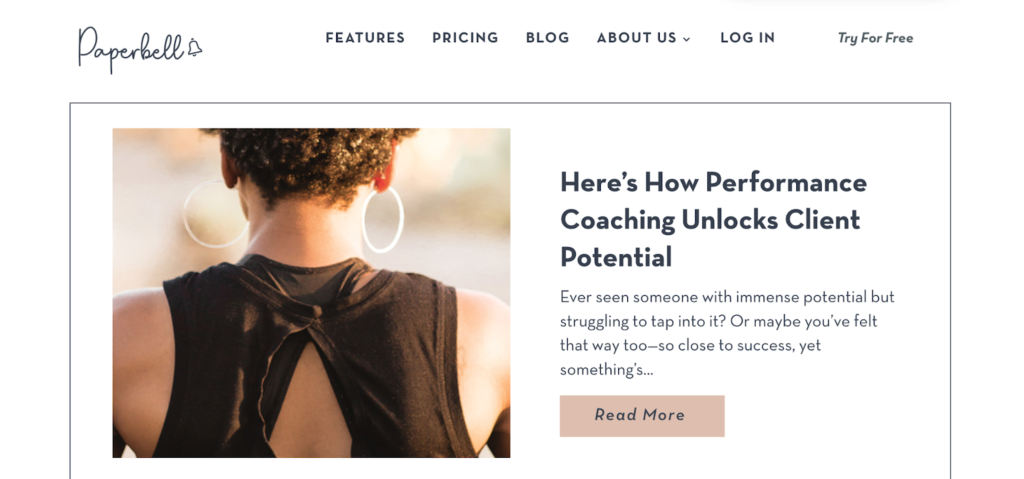
If you’re reading this, you’re already here. But it’s worth saying: our blog has become one of the most-read resources in the coaching space for a reason.
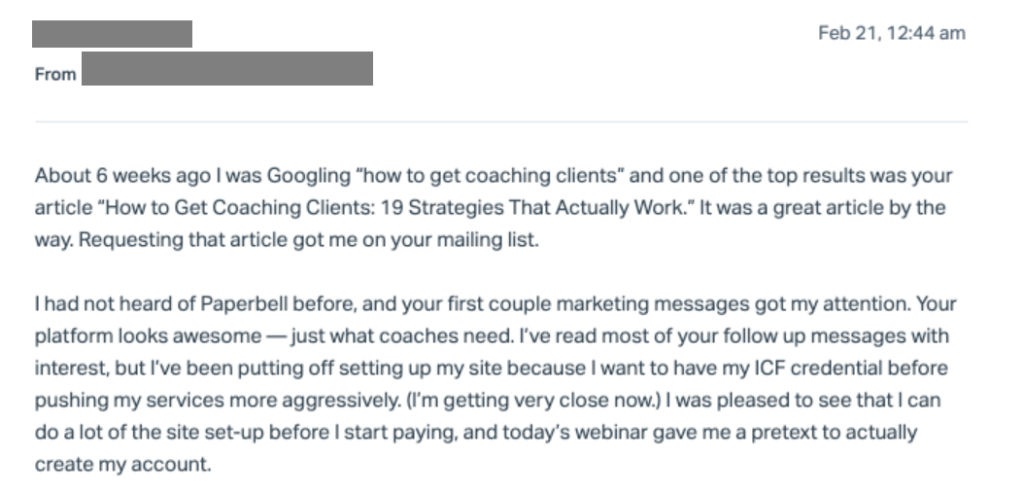
From running the business side of things to learning new coaching techniques or getting certified, there’s a practical, actionable guide here for pretty much every question a coach might have.
We write for coaches who are actually building businesses, not just thinking about it.
Business Blogs for Coaches
Bookmark these if you want to grow a coaching practice that actually pays well.
The Uncaged Life

Becca at The Uncaged Life writes about goal setting, business models, and how to handle big transitions in your practice. It’s a great starting point for coaches figuring out the basics: how much to charge, how to launch your first coaching package, and how to build a business model that actually holds up.
Coach Foundation
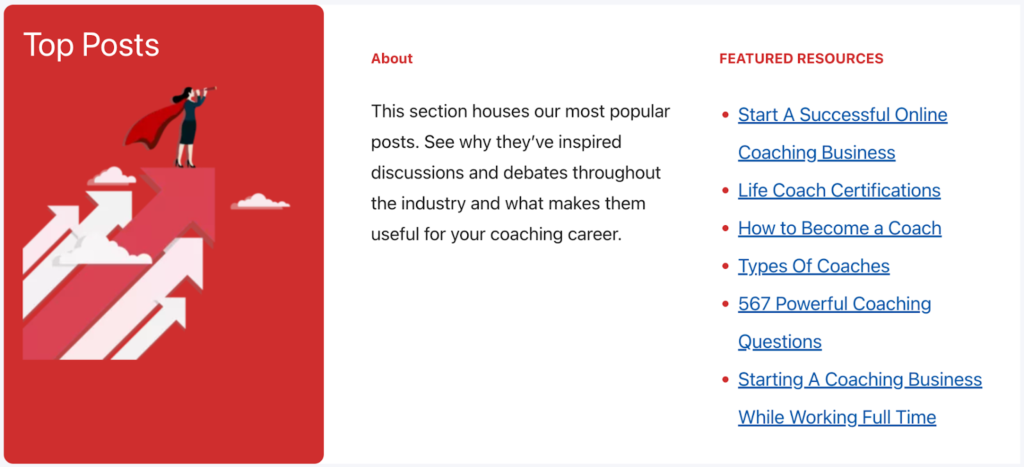
The Coach Foundation has a large library of resources for coaches at every stage. Their definitive guides are particularly good: they break down the steps of starting and building a professional coaching practice in a lot more depth than most free resources do.
Coach Pony
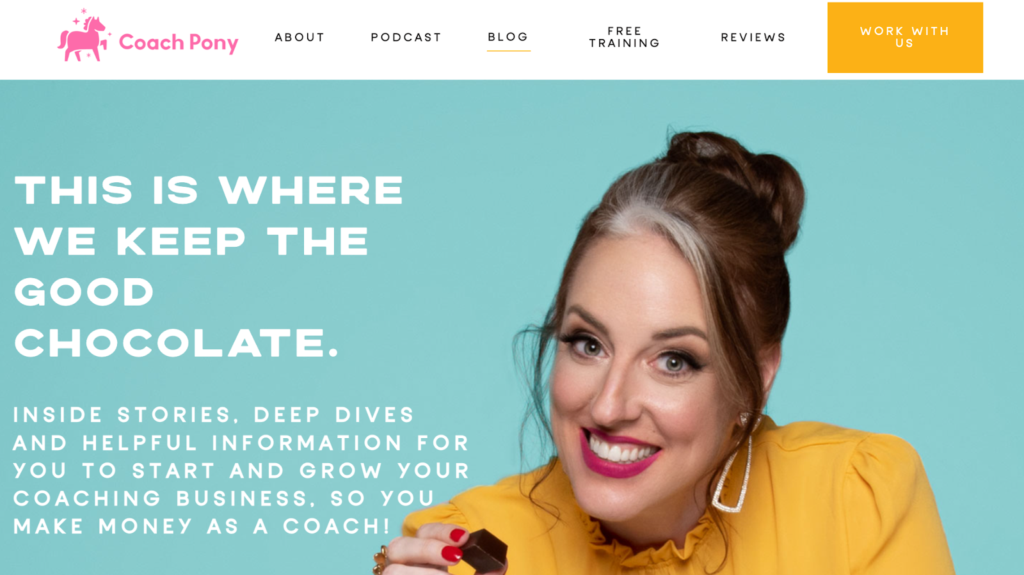
Coach Pony writes some of the best content on finding your niche and crafting a compelling coaching offer. If you’re still trying to figure out exactly who you want to coach and what transformation you want to deliver, start here.
Luisa Zhou
Luisa Zhou’s blog is one of the most practical resources for coaches who want to build an online business. She writes in-depth, data-backed guides on topics like pricing, client acquisition, and creating digital products. She’s done the work herself, so the advice is grounded in real experience rather than theory.
Coaching Business Builder
Coaching Business Builder is worth following if you’re serious about the marketing side of coaching. They cover content strategy, email list building, and social media in a way that’s specific to coaches rather than generic “entrepreneur” advice.
Personal Development Blogs
If you want to keep growing personally while you help others do the same, these are worth your time.
Motivating the Masses
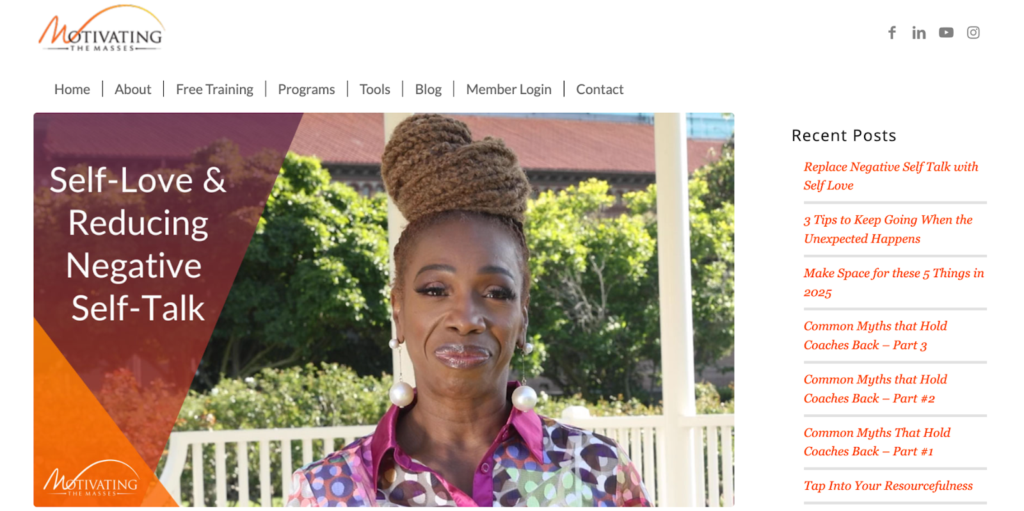
Lisa Nichols at Motivating the Masses is here to push you to take new risks and pursue the things you’ve been putting off. Her writing weaves personal insight with practical guidance, and her videos are just as good as her articles.
Mark Manson

Mark Manson is the New York Times bestselling author of The Subtle Art of Not Giving a F*ck. He shares science-based, pragmatic life advice and tools for working through self-doubt and low motivation. His posts on psychology, relationships, self-discipline, and personal values are directly relevant to the work coaches do with clients every day.
Tiny Buddha

Tiny Buddha is a long-running blog on mindfulness and personal growth, with contributors from across the coaching and wellness world. Articles cover self-care, productivity, healthy habits, and breaking free from stress cycles, all deeply relevant to the work coaches do.
Productivity Blogs
Everyone hits slumps. These blogs offer concrete strategies for regaining focus and getting back on track, useful for your clients and for you.
Brian Tracy
Brian Tracy is a productivity expert and bestselling author with practical advice on time management, goal setting, and financial growth. His work is particularly useful for business and executive coaches whose clients deal with performance and efficiency challenges.
Tim Ferriss

Tim Ferriss is the New York Times bestselling author of The 4-Hour Workweek. His blog is a mix of long-form research, productivity tactics, and insights from his interviews with some of the world’s highest performers. His newsletter, 5-Bullet Friday, is a classic.
James Clear
James Clear, bestselling author of Atomic Habits, writes about how small, consistent changes create major life improvements. His posts on habit formation, decision-making, and continuous improvement are some of the most widely shared in the personal development space, and they translate directly into coaching conversations.
Health and Wellness Blogs
These are worth following if you specialize in health coaching or just want to expand your knowledge in that area.
Precision Nutrition
Precision Nutrition is a trusted resource for science-backed content on nutrition, fitness, and health coaching strategies. It offers evidence-based approaches that health coaches can use directly with clients.
Kelsey Ale

Kelsey Ale is a health coach whose blog covers gut health, sleep, anti-inflammatory recipes, and fitness. She writes as a practitioner for practitioners, which makes the content particularly useful for coaches in the wellness space.
PaleOMG by Julie Bauer

Julie Bauer is a certified health coach whose blog focuses on the Paleo lifestyle: recipes, health tips, and honest coaching advice. It’s a great read for coaches who want to expand their knowledge of nutrition and healthy living.
How to Start Your Own Coaching Blog
Inspired to start your own blog? Here’s how to do it in a way that actually builds your coaching business rather than just adding to your workload.
- Choose a clear focus. Decide on a niche or theme that aligns with your coaching expertise. A focused blog attracts the right audience and helps you rank in search.
- Make your content genuinely useful. Your posts should answer real questions your clients ask. Break down complex topics, share what you’ve learned from your own practice, and give people something they can actually use.
- Optimize for search. Use keywords people are actually searching for and write headlines that match their intent. A well-optimized post can bring in leads for years without any ongoing effort.
- Be consistent, not prolific. One great post per month beats four mediocre ones. Consistency builds trust; quality builds authority.
- End with the next step. Every post should have a clear call to action: subscribing to your email list, downloading a freebie, or booking a discovery call.
- Avoid the most common mistakes: publishing generic content that covers nothing new, neglecting formatting (long, unbroken paragraphs drive readers away), and forgetting to proofread.
A well-run coaching blog compounds over time. Start small, stay consistent, and write things you’d actually want to read.
FAQ
What are the best blogs for new life coaches?
Start with Coach Foundation and Coach Pony for practical business guidance. Add The Uncaged Life for mindset and business model questions. Paperbell’s blog is a strong all-rounder covering everything from getting certified to pricing to client management tools.
Are free coaching blog resources actually useful?
Yes. The best blogs in the coaching space offer genuinely practical, experience-backed advice. The key is finding authors who have built real coaching practices, not just people writing about coaching in theory.
How often should I read coaching blogs?
There’s no rule, but setting aside 30 minutes per week to read something new is a habit worth building. The coaches who keep learning tend to keep growing. It doesn’t have to be daily to be valuable.
Can reading coaching blogs replace coaching supervision or mentorship?
No. Blogs are great for ideas and inspiration, but they can’t replace personalized feedback on your actual coaching practice. Think of them as a supplement, not a substitute for mentorship, supervision, or peer coaching groups.
Should I have my own blog as a life coach?
It’s worth it if you’re consistent. A blog builds authority, improves your search visibility, and gives potential clients something to read before they reach out. The coaches who get the most from blogging treat it as a long-term investment rather than a quick marketing tactic.
Focus on What Matters
If you’re struggling to find time to read up on the latest in coaching, here’s something to consider.
Paperbell saves you hours every week by handling the admin side of your business. Bookings, payments, contracts, and your website, all in one place, all done for you. That’s more time for coaching, more time for learning, and more time for whatever else matters to you.
Try Paperbell for free and see how much simpler running a coaching practice can be.

Editor’s Note: This post was originally published in June 2022 and has since been updated for accuracy.