

What is a Behavioral Coach?
A behavioral coach is a professional who helps individuals identify, evaluate, and change the habits and behaviors holding them back from the life they want. Whether someone is struggling with procrastination, unhealthy patterns, poor communication, or low productivity, a behavioral coach gives them the structure and accountability to shift those patterns for good.
Clients come to behavioral coaches for all kinds of reasons. Some want to stop self-sabotaging at work. Others want to build healthier routines, improve their relationships, or break cycles that have followed them for years. What they share is a desire for real, lasting change rather than temporary fixes.
A behavioral coaching engagement typically involves assessing the client’s current behaviors, setting clear and specific goals, developing a strategy for change, and providing ongoing support and feedback as the client practices new habits. The result is growth across every area of life: career, health, relationships, and mindset.
Pro tip: If you want to launch a professional behavioral coaching website, try Paperbell for free to get scheduling, payments, messaging, and more built right into an all-in-one platform.
Types of Behavioral Coaches
Behavioral coaching isn’t one-size-fits-all. Coaches in this space tend to specialize based on the population they serve and the context they work in.
Life and personal behavior coach. This is the most common type. These coaches work with individuals on personal growth goals: breaking bad habits, building better routines, improving emotional regulation, and making lasting lifestyle changes. Their clients are typically adults who are functioning well but want to improve in specific areas.
Executive and corporate behavior coach. These coaches work with leaders, managers, and high performers in professional settings. The focus is on behaviors that affect career outcomes: communication style, decision-making under pressure, conflict resolution, and leadership presence. Many are hired directly by organizations for talent development.
School behavior support coach. These coaches work in educational settings alongside teachers and families to support students with challenging behaviors. The role is often more structured and may involve formal behavior plans, classroom strategies, and collaboration with school staff. This is a distinct specialty from personal coaching and often requires training in applied behavioral analysis.
Health and wellness behavior coach. These coaches help clients build healthier habits around nutrition, movement, sleep, and stress. They work alongside (but not in place of) healthcare providers, focusing on the behavioral side of health rather than the clinical side.
Behavioral Coaching vs. Therapy: What’s the Difference?
One of the most common questions people ask before hiring a behavioral coach is: how is this different from therapy? It’s a fair question, and the answer matters both for you as a coach and for the clients you’ll attract.
Coaching and therapy both support behavioral change, but they approach it from very different angles. Here’s a simple breakdown:
| Behavioral Coaching | Therapy | |
|---|---|---|
| Focus | Future goals and behavior change | Past experiences and mental health |
| Provider | Coach (no clinical license required) | Licensed clinician (LPC, psychologist, etc.) |
| Who it’s for | People who are functionally well and want to change specific behaviors | People dealing with mental health conditions or trauma |
| Approach | Action-oriented, goal-setting | Diagnostic and treatment-based |
| Duration | Often time-limited (specific goal) | Can be open-ended |
Understanding this distinction allows you to communicate your scope of practice clearly. Coaches work with clients who are psychologically well and ready to take action. If a client presents with clinical mental health needs, depression, trauma, or other conditions requiring diagnosis and treatment, the right move is a referral to a licensed therapist.
This isn’t a limitation on coaching. It’s what makes the coaching relationship work: when clients are a true fit for your services, you’ll get much better results for them.
What is the Behavioral Approach to Coaching?
The behavioral approach to coaching focuses on strategies that help clients recognize and alter their behavioral patterns. Rather than dwelling on the past, it centers on what’s happening now and what the client wants to create going forward. Some of the key techniques behavioral coaches use include:
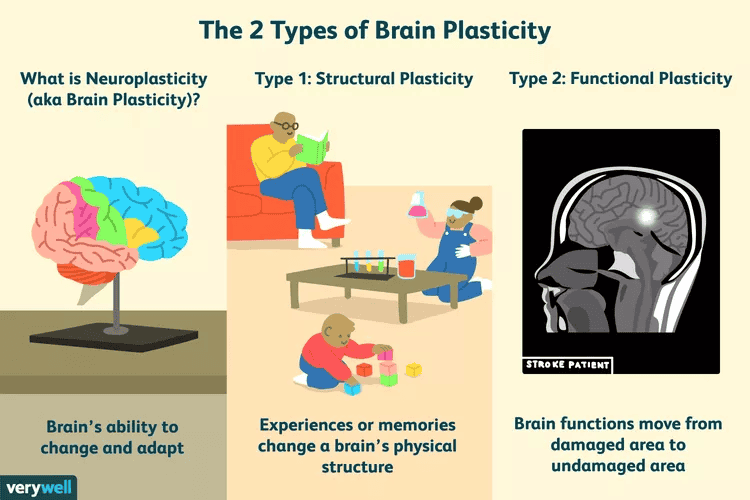
1. Neuroplasticity
Neuroplasticity is the brain’s ability to restructure itself by forming new neural pathways. This is the science behind why behavior change is genuinely possible at any age. Through coaching, you can help clients rewire their patterns of thought, emotion, and behavior.
For example, you can help a client who struggles with procrastination adopt productive habits by creating a routine that focuses on starting tasks immediately, rather than waiting for the “right moment.”
2. Applied Behavioral Analysis (ABA)
Applied Behavioral Analysis (ABA), also called behavioral engineering, is a technique for identifying the factors influencing a person’s actions. It helps coaches eliminate unwanted behaviors and replace them with positive ones.
For example, if a client is struggling with low work productivity, you’d identify the specific behaviors causing the problem (like working from their bed, or keeping social media open) and then create a new structure that teaches them to work differently.
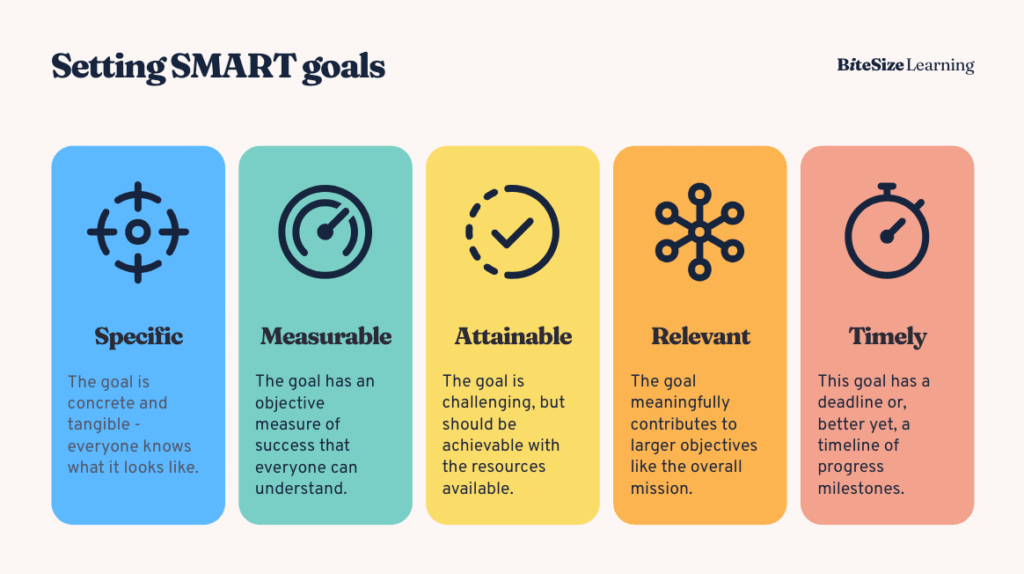
3. Goal Setting
Building good habits requires realistic and attainable goals that keep clients focused and committed. Vague intentions don’t create change; specific, measurable targets do.
For instance, if a client wants to start journaling, a clear behavioral goal might be: write a journal entry for five minutes every morning for the next 30 days. Small, specific, and trackable.
4. Motivational Interviewing (MI)
Motivational interviewing is a client-centered approach designed to help clients explore their own reasons for change and build their commitment to it. Rather than telling clients what to do, the coach asks questions that help the client work on their own motivation.
For example, with a client trying to cut back on alcohol, you’d use MI to help them examine their relationship with it, what they’d gain by changing, and what’s been getting in the way. That self-generated insight is far more motivating than any external instruction.
5. The Transtheoretical Model (TTM)
The transtheoretical model describes the stages people move through when changing a behavior: precontemplation, contemplation, preparation, action, and maintenance. Knowing where a client sits in this model tells you what kind of support they actually need right now.
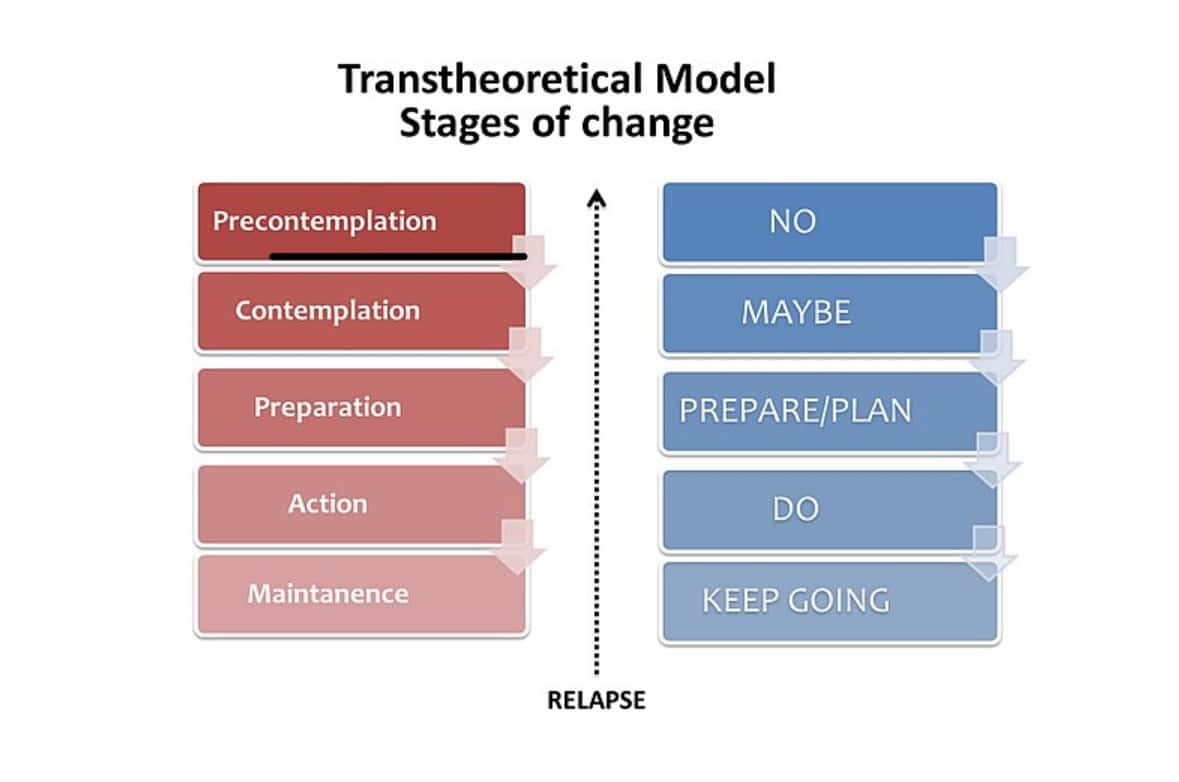
A client who wants to change their unhealthy relationship with food but doesn’t know where to start is likely in the contemplation stage. You’d offer support designed to help them move toward preparation, rather than jumping straight to action plans they’re not ready for.
6. Monitoring and Feedback
Tracking progress and providing honest, constructive feedback is central to behavioral coaching. Clients who can see their own progress stay motivated. Coaches who give clear, consistent feedback keep the work from drifting.
A simple progress log where clients track their daily actions, combined with regular check-ins, creates the accountability loop that drives real change.
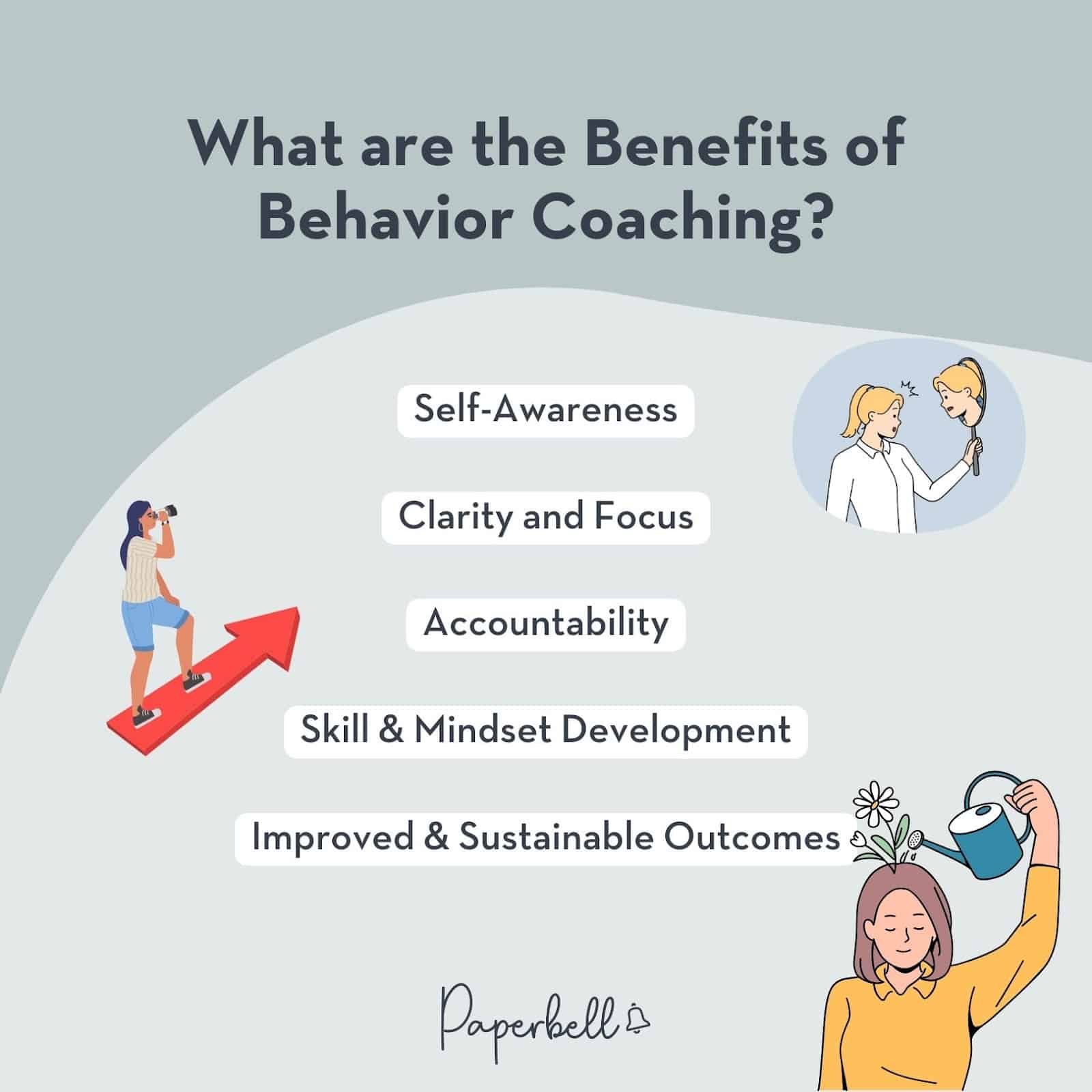
What are the Benefits of Behavior Coaching?
Working with a behavioral coach gives clients concrete structure for change, not just motivation. Here’s what that looks like in practice:
1. Self-Awareness
Behavioral coaching gives clients a mirror. By helping them map their own patterns, you increase their self-awareness around negative thoughts and emotions, the actions those thoughts drive, and the cycles they keep falling into. Many clients describe this as a turning point.
2. Clarity and Focus
Working with a coach gives clients a clear picture of what they’re working toward, which specific behaviors need to change, and what a concrete plan looks like. That structure keeps them from spinning their wheels on vague intentions.
3. Accountability
One of the most valuable things a coach provides is someone to answer to. Holding clients accountable builds their sense of responsibility and consistency over time. Clients move further, faster, when they know someone is watching their progress.
4. Skill and Mindset Development
Through behavioral coaching techniques, clients develop problem-solving skills and a more constructive mindset. They learn to catch their own unhelpful patterns before they play out, which is a skill that compounds over time.
5. Improved and Sustainable Outcomes
Targeted goals and structured coaching keep clients engaged through the hard parts. The result is habits that actually stick, not just a temporary motivational boost.
Behavior Coach Salary and Job Market
If you’re weighing behavioral coaching as a career, salary is a reasonable thing to research. The range is wide, because “behavior coach” spans employees, self-employed coaches, and specialists in very different industries.
For employed behavior coaches, ZipRecruiter reports that annual salaries in the United States typically range from around $38,000 on the lower end to $89,000 at the higher end, with a national average around $57,000 as of 2026. Salaries vary significantly based on location, industry, and specialization.
The highest-paying contexts for behavioral coaches tend to be:
- Corporate and executive coaching – where companies pay a premium for coaches working with senior leaders
- Healthcare settings – behavior coaches who support chronic disease management or wellness programs
- Education – specialized behavior support roles in districts with strong funding
For self-employed coaches, the ceiling is significantly higher. Independent behavioral coaches who build their own client base and offer premium packages can earn well above the employed salary range. The trade-off is that you’re building a business, not collecting a paycheck, so income takes longer to ramp up and varies more month to month.
If you’re planning to go the self-employed route, packaging your services clearly and pricing them confidently from the start makes a real difference. More on that below.
What are the Requirements to Become a Behavioral Coach?
Behavioral coaching is an unregulated profession, which means there’s no single licensing body or mandatory path into it. That’s both an opportunity and a responsibility. Here’s what most successful behavioral coaches have in common:
1. Getting an Education
You need to understand what you’re coaching before you can guide someone through it. That means building a foundation in the relevant subject matter, which can include coursework or self-study in:
- Psychology
- Behavior analysis
- Human development
- Coaching methodology
A formal degree isn’t required, but you should be able to demonstrate genuine competence in behavioral science. Clients are trusting you with real challenges, and that responsibility deserves real preparation.
2. Gaining Practical Experience
Knowledge alone doesn’t make you a good coach. You need hours working with real clients. Before you launch a paid practice, look for ways to build that experience:
- Internships with established coaches or behavioral programs
- Volunteer work with organizations that support behavior change (health programs, schools, community orgs)
- Supervised coaching practice through your certification program
The more varied your experience, the better prepared you’ll be for the range of clients you’ll encounter.
3. Creating Coaching Packages
Once you have the training and experience, you need to translate your skills into clear coaching packages that potential clients can understand and purchase. That means deciding what problem you solve, who you solve it for, how many sessions your package includes, and what the client can expect as an outcome.
A coaching platform like Paperbell makes it easy to build and sell those packages without needing a developer or multiple tools.
Behavioral Coach Certifications
A certification won’t make you a great coach on its own, but it can give you a solid foundation, boost your credibility with prospective clients, and signal that you’ve committed to professional development. Here’s what to look for when evaluating programs.
What to Look For in a Behavioral Coach Certification
- Accreditation: Programs accredited by the International Coaching Federation (ICF) or the Center for Credentialing and Education (CCE) meet established professional standards. This matters when clients or employers ask about your credentials.
- Curriculum depth: Look for programs that cover behavioral science principles, coaching methodology, and supervised practice, not just theory.
- Format and pace: Some programs are self-paced (better if you’re fitting this around existing work), others are cohort-based (better if you want live feedback and a peer community).
- Cost vs. value: Price ranges widely from under $200 to nearly $2,000. A higher cost doesn’t automatically mean better quality, but very cheap programs often cut corners on curriculum and coaching hours.
Recommended Programs
- Cognitive Behavioral Coaching by The Institute for Life Coach Training. This self-directed course offers ICF-accepted continuing education credits and costs $400. A solid choice if ICF credential renewal matters to you and you want a self-paced format.
- Certified Behavioral Consultant (CBC) by PeopleKeys. This program focuses on behavioral assessment tools and costs $1,895. Best suited for coaches who want to integrate formal behavioral profiling (like DISC) into their practice.
- Cognitive Behavioral Life Coach Certification by Transformation Academy. This self-paced course covers cognitive behavioral coaching fundamentals and retails at $197 (also available on Udemy at a steep discount). A budget-friendly entry point if you’re just starting out and want to build foundational knowledge before committing to a pricier program.
- Cognitive Behavioral Therapy (CBT) Life Coaching Certification by Patrick Howell. Another self-paced Udemy course, available for around $10.99. Best as a supplement to other training rather than a standalone credential, given the low investment and minimal coaching hours.
How to Use Paperbell to Create Your Behavioral Coaching Packages
Paperbell was built with coaches (including behavioral coaches) in mind. It handles the entire practice management side of your business from a single platform, so you can focus on the coaching itself instead of juggling disconnected tools.
Here’s how to get started:
- Create your first coaching package. Include specific details about your process and client outcomes. You can offer one-on-one coaching, group coaching, digital resources, or a mix. You can also offer different appointment lengths depending on the type of session.
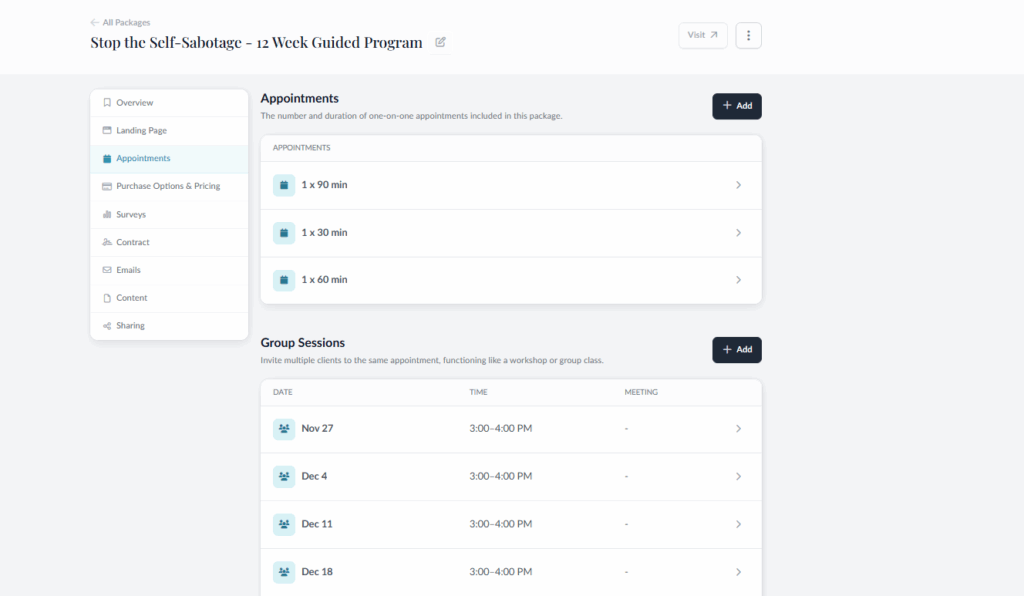
- Set your pricing. Paperbell gives you options between pay-in-full, payment plans, and subscriptions for each package. You can also require a deposit on payment plan packages.
- Customize your availability. Set global availability plus overrides per package. Book intensives on Mondays, discovery calls on Tuesdays and Thursdays, and never take calls on Fridays.
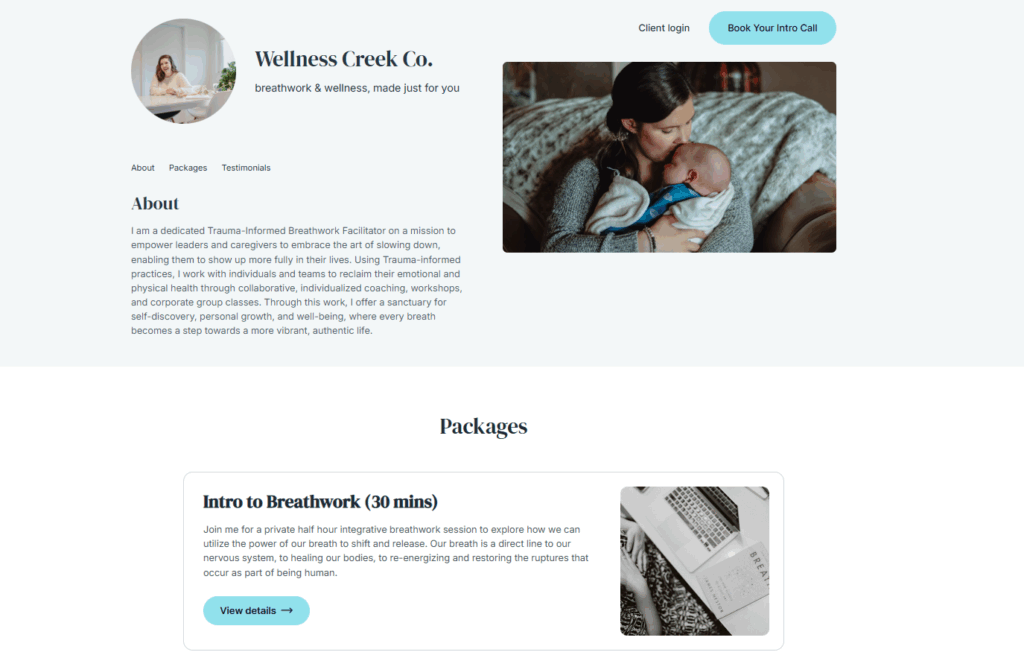
- Launch a complete coaching website. Once you’ve got a package, Paperbell generates a branded coaching website. Customize your colors, add your bio and headshot, and showcase all your packages.
- Add contracts and intake forms. Upload your PDF coaching contract for clients to sign while booking. Create intake forms to gather information about clients’ behavioral goals and challenges before your first session.
- Deliver resources and manage clients. Share coaching materials like digital planners, audio or video exercises, and worksheets directly through Paperbell.
- Set up automated emails to remind clients to book sessions, send homework, or provide accountability check-ins. Clients access everything through their dedicated client portal.
The best part: set everything up once and book unlimited clients. Paperbell keeps the admin off your plate so you can focus on the work that matters.
Ready to Build Your Behavioral Coaching Practice?
Behavioral coaching is a real specialty with real demand. You’ll help clients shift the habits and patterns that have held them back for years, with a structured approach that produces lasting results. With the right training and the right tools behind you, it’s a practice worth building carefully.
Paperbell takes the operations side of that practice off your hands, from client onboarding through to session management and billing. Try Paperbell for free and see how much simpler running your practice can be.
FAQs About How to Become a Behavior Coach
What does a behavioral coach do?
A behavioral coach helps individuals identify, evaluate, and change behaviors and habits that hinder their success. They assess client behaviors, set clear goals, create concrete plans, and provide ongoing support and accountability to help clients achieve sustainable behavioral change.
What do you need to be a behavior coach?
You need a solid foundation in psychology, behavior analysis, human development, and coaching methodology. Build practical experience through internships, volunteer work, or supervised coaching sessions. A certification from a reputable program helps with credibility, and a clear set of coaching packages gives you a professional way to market and sell your services.
What is the difference between a behavior coach and a therapist?
Behavioral coaches work with clients who are functionally well and want to change specific habits or behaviors. Therapists are licensed clinicians who diagnose and treat mental health conditions, often working with trauma, mood disorders, and other clinical concerns. Coaching is future-focused and action-oriented; therapy is often more exploratory and treats underlying psychological conditions. If a client needs clinical support, the right move is a referral to a licensed therapist.
How much does a behavior coach make?
According to ZipRecruiter, employed behavior coaches in the United States earn between approximately $38,000 and $89,000 per year, with a national average around $57,000. Self-employed coaches who build their own client base and package their services effectively can earn significantly more, though income takes time to build. Top earners tend to be in corporate, healthcare, or specialized executive coaching roles.
What is the behaviourist approach to coaching?
The behaviorist approach focuses on strategies that help clients recognize and alter behavioral patterns. Key techniques include neuroplasticity (rewiring thought and behavior patterns), applied behavioral analysis, goal setting, motivational interviewing, the transtheoretical model, and monitoring with feedback.
What do behavior coaches use to promote their business?
Most coaches use an all-in-one coaching platform like Paperbell to create a professional website and sell structured coaching packages. A clear offer, professional onboarding, and consistent client experience do more for a coaching business than any individual marketing tactic.