
Social Media for Life Coaches: The 2026 Guide (Platforms, Posts & Strategy)
You became a life coach to help people change their lives. Not to become a content creator, a videographer, and a part-time social media strategist.
And yet here you are, staring at a blank Instagram caption at 10pm, wondering if any of this is actually working.
Here’s the thing: social media does work for life coaches. But only when you stop trying to be on every platform and start being really good on the right ones. In this guide, you’ll get a clear breakdown of every major platform, what works on each one, and a simple framework for picking your focus so you stop spreading yourself thin.
Ready to turn social media followers into paying clients? Try Paperbell for free and get a professional coaching website, booking page, and payment system set up in minutes, so you’re ready when the DMs start rolling in.
Why Social Media Actually Works for Life Coaches
Life coaching is a relationship-based business. People don’t hire a coach from a cold ad. They hire someone they feel they know, like, and trust.
Social media is how you build that trust at scale. A potential client might follow you for three months before sending that first message. Every post you publish is a quiet conversation with someone who’s thinking about working with you.
The coaches who get the most clients from social media aren’t posting the most. They’re posting consistently, showing up as a real person, and making it easy for interested followers to take the next step.
That last part matters more than most coaches realize. More on that in a bit.
Instagram for Life Coaches
Instagram is still the home base for most life coaches, and for good reason. It’s visual, personal, and built for storytelling. The platform rewards coaches who share real transformation and real personality, not polished corporate content.
What content works on Instagram
- Reels (short video): 15-60 second videos get the most reach right now. Share a quick tip, a reframe, or a peek behind the scenes of your coaching practice.
- Carousels: Multi-slide posts drive saves and shares. A “3 signs you need a life coach” or “how I help clients break through X” carousel gives followers something to come back to.
- Stories: The most personal content lives here. Polls, Q&As, day-in-the-life snippets. Stories build intimacy in a way the feed can’t.
- Static posts: Still useful for quotes, testimonial graphics, and text-based insights, but they don’t drive reach on their own anymore.
Instagram strategy tips for coaches
Post 3-5 times per week on the feed (mix of Reels and carousels), and use Stories daily even if it’s just a quick check-in. Your bio should have one clear link, ideally to your booking page, not a generic website homepage.
The number one Instagram mistake coaches make? Treating it like a billboard. Instagram rewards conversation. Reply to every comment. Ask questions in your captions. When someone DMs you, respond like a human being, not an autoresponder.
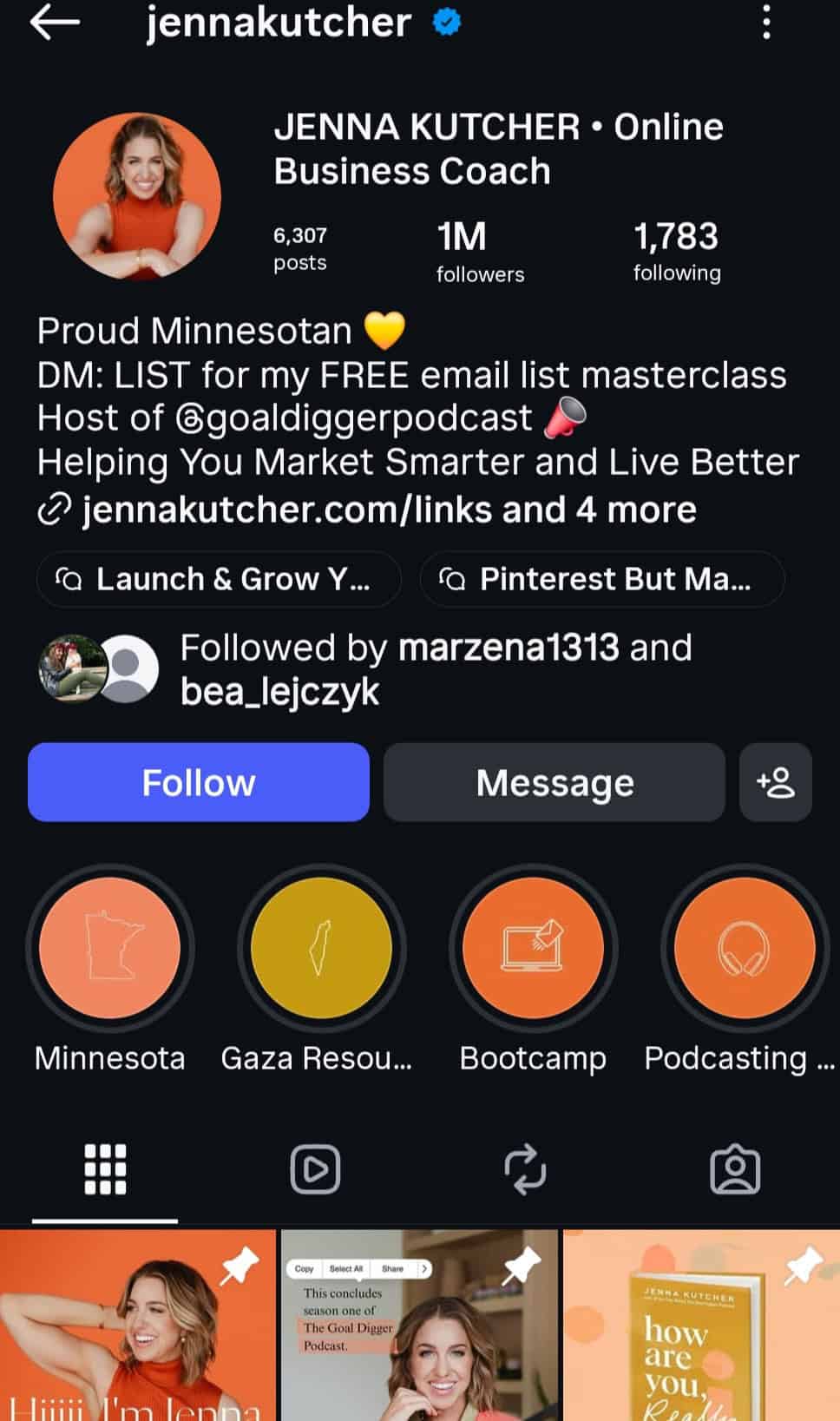
For a deeper dive, check out our guide on Instagram for coaches.
TikTok for Life Coaches
If Instagram is where coaches build a community, TikTok is where they get discovered. The algorithm shows your content to people who don’t follow you yet, which makes it one of the fastest ways to grow your audience from scratch in 2026.
Life coaching content does really well on TikTok because the platform cares about emotional resonance, not production quality. A video filmed on your phone in your car can outperform a professionally shot studio video if the content hits.
Hook formulas that work
The first 2-3 seconds of your TikTok determine whether anyone watches the rest. Strong hooks for life coaches include:
- “The real reason you keep self-sabotaging (it’s not what you think)”
- “I asked 50 of my clients what changed after coaching. Here’s what they said.”
- “Things I wish someone told me before I started coaching”
- “Stop doing this if you want to actually reach your goals”
Notice the pattern: these lead with a problem or a promise. They speak directly to someone in the middle of the struggle your coaching solves.
Best video length and niche angles
Keep videos between 45 seconds and 2 minutes for life coaching content. Under 30 seconds is great for quick reframes or quotes. Longer videos (up to 3 minutes) work if you’re telling a transformation story with a real arc.
Niche angles that consistently perform well on TikTok for life coaches:
- “Day in my life as a life coach” (behind-the-scenes content builds trust fast)
- Transformation stories (anonymized, with client permission)
- Myth-busting (“Life coaching isn’t therapy, and here’s the difference”)
- Relatable struggle content (“When you know exactly what you need to do but still can’t make yourself do it”)
- Mini coaching moments (pose a question, walk through your coaching approach in 60 seconds)
Aim for 3-5 posts per week on TikTok. The more you post, the more data the algorithm has to figure out who to show your content to. When you’re just starting on TikTok, quantity helps you find your voice and your audience faster than anything else.
LinkedIn for Life Coaches
LinkedIn is the most underused platform in the life coaching space, and it might be the best opportunity available right now for the right kind of coach.
If your clients are executives, corporate professionals, mid-career switchers, or entrepreneurs, your ideal client spends real time on LinkedIn. They’re not scrolling TikTok at lunch. They’re on LinkedIn. And most life coaches aren’t showing up there.
Who LinkedIn is really for
LinkedIn works best for coaches who specialize in:
- Executive coaching or leadership development
- Career transition or career clarity coaching
- Business coaching for entrepreneurs or founders
- Work-life balance, burnout, or performance coaching
- Confidence coaching for corporate professionals
If your clients are stay-at-home parents or college students, LinkedIn is probably not your platform. But if your clients are people with corporate jobs who feel stuck, overwhelmed, or unfulfilled in their careers, this is where they hang out.
Content types that perform on LinkedIn
LinkedIn rewards a specific kind of content: professional insight that feels personal. The best-performing posts tend to be:
- Personal story posts: “I spent 12 years in corporate finance before I realized I was optimizing for someone else’s definition of success. Here’s what changed.” These posts get high engagement because they normalize the professional identity crisis that many LinkedIn users are quietly experiencing.
- Short-form insight posts: 150-300 word text posts with a sharp observation about performance, mindset, leadership, or career growth. No image needed. Just clear, useful thinking.
- Carousels (document posts): PDF-style multi-slide posts perform extremely well on LinkedIn. “5 questions to ask yourself if you feel stuck in your career” as a carousel gets saves and shares from professionals who recognize themselves in it.
- LinkedIn Articles: Long-form articles (1,000+ words) don’t go viral but they build credibility and show up in search. If you’re a career transition coach, an article titled “How to know when it’s time to change careers” will attract exactly the right reader over time.
- Video: Short-form video (1-3 minutes) is growing on LinkedIn. It still has far less competition than Instagram or TikTok video, so early movers have an advantage.
LinkedIn posting cadence
Post 3-5 times per week. That might feel like a lot, but LinkedIn posts have a longer shelf life than Instagram or TikTok, because the algorithm keeps surfacing older content that’s still performing. One good post can drive engagement for several days.
The best posting times on LinkedIn are Tuesday through Thursday, between 8-10am or 12-1pm. Early morning works well because professionals check LinkedIn before the workday starts.
Lead generation on LinkedIn
LinkedIn’s direct message (DM) feature is genuinely powerful for coaches because the context is professional. When someone engages with your post and you send a thoughtful DM, it doesn’t feel cold or spammy. It feels like a natural next step.
A few LinkedIn lead-gen tactics that work well for coaches:
- Comment meaningfully on your ideal client’s posts. Add something genuinely useful, not just “great post!” This gets you on their radar without being salesy.
- Use the LinkedIn Newsletter feature. Newsletters go directly to your connections’ email inboxes AND get distributed to LinkedIn users who haven’t connected with you yet. A newsletter titled “The Clarity Letter: for professionals who feel stuck” builds an email list inside LinkedIn.
- DM new connection requests with a personal note. When someone connects with you after seeing a post, send a short message: “Thanks for connecting! What brought you to [your topic area]?” It’s a conversation starter, not a pitch.
- Include a clear call to action on your profile. Your “Featured” section should link to your booking page. When someone views your profile after reading a post they connected with, give them somewhere to go.
The LinkedIn opportunity is real. Most coaches either ignore it entirely or treat it like a resume. If you can show up as a genuine human being who understands the professional struggles your ideal client is dealing with, you’ll stand out immediately.
Facebook for Life Coaches
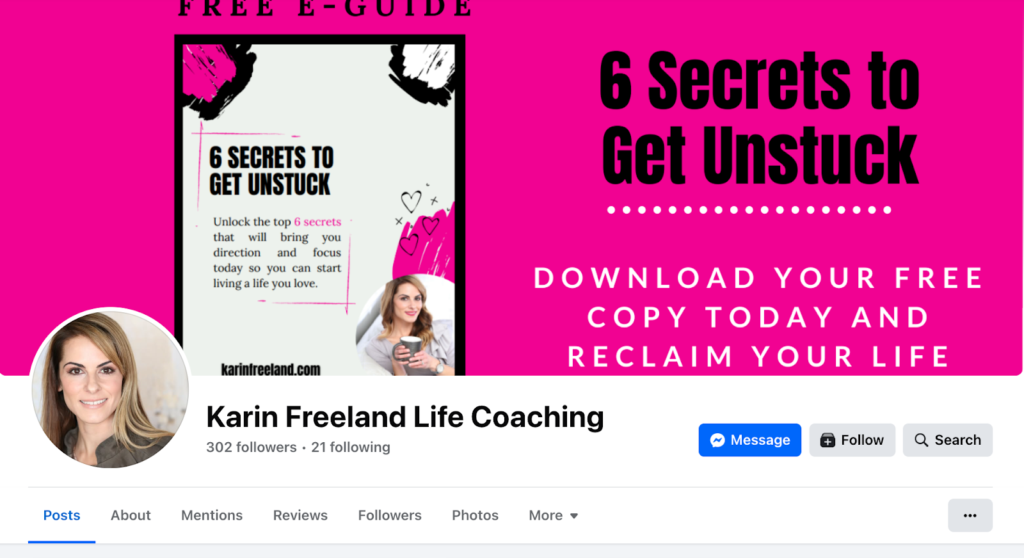
Facebook’s organic reach has dropped a lot over the last few years, but it’s not dead for coaches. The platform still has a massive user base, and Facebook Groups remain one of the most powerful community-building tools available.
Running a free Facebook Group around your coaching niche (“Burnout Recovery for Working Moms,” “Confidence for Career Changers”) gives potential clients a low-risk way to experience your coaching style before they pay for anything. It also builds an audience you own independently of the algorithm.
One-to-three posts per week in your group, combined with regular engagement on comments, is a sustainable pace. Go live occasionally. Your group members want to see you as a real person, and video does that better than any written post.
For your Facebook Page, focus on sharing your best content from other platforms (Reels, blog posts, carousels) rather than creating Facebook-native content from scratch.
YouTube for Life Coaches
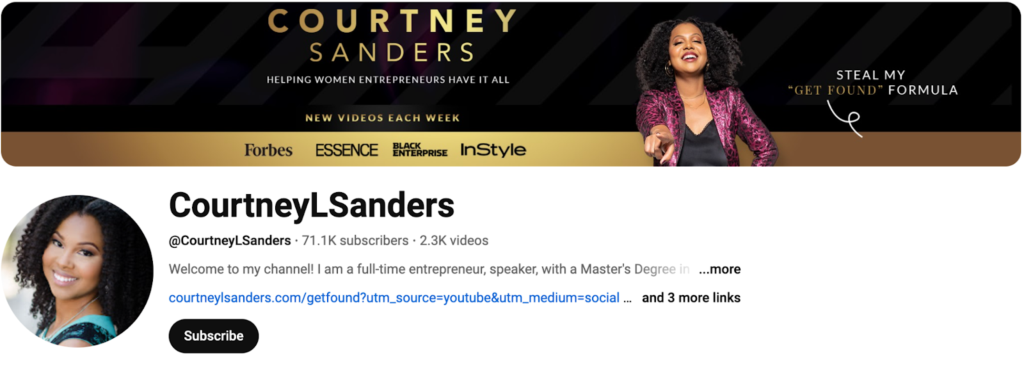
YouTube is a long game, but it’s also the best long-term investment a coach can make in social media. Videos rank in Google search, stay discoverable for years, and build the deepest trust of any platform. A potential client who watches 10 of your videos feels like they already know you before they ever book a call.
You don’t need a professional setup to start. Clear audio (a $30 lapel mic makes a huge difference), decent lighting, and genuinely useful content is all you need.
Strong YouTube content formats for life coaches include:
- Coaching session breakdowns (with permission, or hypothetical scenarios)
- “How I helped a client with [specific problem]” case studies
- Answering common coaching questions at length
- Personal transformation stories that relate to your coaching niche
One video per week is a solid starting cadence. Consistency matters more than volume on YouTube.
X (Twitter) for Life Coaches
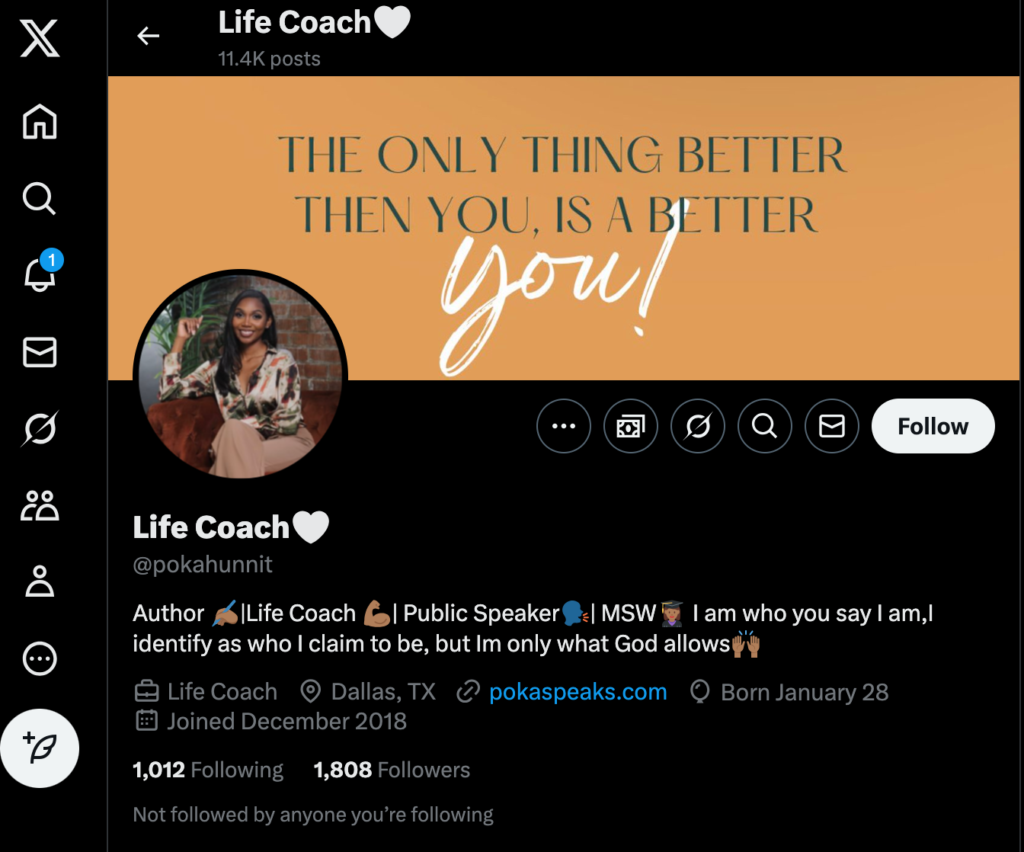
X (formerly Twitter) can work for coaches who are strong writers and who enjoy real-time conversation. It’s particularly useful for coaches who work in the personal development, entrepreneurship, or professional growth space, since those conversations are active on the platform.
That said, X is a niche choice for coaches in 2026. The reach has fragmented, and the platform rewards high posting volume (multiple times per day) that most coaches can’t sustain alongside everything else. Unless you already have an audience there, it’s not where to start.
Pinterest for Life Coaches
Don’t overlook Pinterest if you work in the wellness, mindset, or personal development space. Pinterest functions more like a search engine than a social network. People come looking for specific content (“morning routine for anxiety,” “journaling prompts for self-discovery”), and if your content shows up, it can drive steady traffic to your website for years.
The key is creating pin graphics that point to your blog posts, free resources, or lead magnets. Pinterest is less about building a community and more about getting discovered by people actively searching for what you do.
Which Platform Should I Focus On? (Decision Guide)
The honest answer: pick one or two, and go deep instead of spreading yourself thin across six platforms.
Use this table to match your platform to your coaching niche and your natural strengths:
| Platform | Best for these coaches | Content type | Effort level | Speed to results |
|---|---|---|---|---|
| Wellness, mindset, life design, relationships | Reels, carousels, Stories | Medium-high | 3-6 months | |
| TikTok | Any niche (broad discovery) | Short video | Medium | 1-3 months |
| Executive, career, business, leadership coaches | Text posts, carousels, articles | Low-medium | 3-6 months | |
| YouTube | Any niche (long-term authority) | Long-form video | High | 6-12 months |
| Wellness, mindset, journaling, productivity | Graphics linking to blog/resources | Low | 3-6 months |
A few decision shortcuts:
- Comfortable on camera and want fast discovery? Start with TikTok.
- Your clients are corporate professionals? Start with LinkedIn.
- Love writing and community building? Instagram or LinkedIn, depending on your niche.
- You want something that pays off for years with evergreen content? YouTube or Pinterest.
- You’re just starting out and not sure? Pick the one you’ll actually enjoy showing up on. You won’t stick with a platform that feels like a chore.
7 Content Ideas That Work Across All Platforms
Once you’ve picked your platform, the next question is: what do I actually post?
These content types perform well for life coaches on every major platform:
- Client transformations: Share a before/after story (with permission). What was the client dealing with when they started? What changed? Specific and concrete beats vague, every time.
- Your own story: Why did you become a coach? What have you personally worked through that your clients are dealing with now? This is connection content, and it converts.
- Myth-busting posts: “Life coaching isn’t just for people in crisis.” “You don’t need to have your life together to hire a coach.” These do well because they remove the barriers your ideal clients have built up.
- Quick coaching exercises: Give your audience something to actually do. A journaling prompt, a 60-second reframe technique, a values reflection exercise. This demonstrates your value without selling anything.
- FAQs and objections: Answer the questions people ask before hiring a coach. “How do I know if I need a life coach or a therapist?” “How long does coaching take?” Answering these publicly builds trust with people who are almost ready.
- Behind the scenes: What does a coaching session actually look like? What’s your workspace? What are you reading? People want to know you’re a real person, not a brand.
- Reposts and responses: Respond to content in your niche. Quote a post you agree with (or disagree with). React to trends relevant to your clients. This keeps you in the conversation without having to create from scratch every day.
How Often Should You Post?
Here’s a realistic posting framework you can actually keep up with:
- Instagram: 4-5 feed posts per week (mix of Reels and carousels), Stories daily
- TikTok: 3-5 videos per week when building, 2-3 to maintain
- LinkedIn: 3-4 posts per week
- YouTube: 1 video per week
- Pinterest: 5-10 pins per day (mostly repins, 1-2 original)
The most important thing isn’t the number. It’s the consistency. Three posts a week every week beats seven posts a week for two weeks and then radio silence.
If you’re managing a full client roster alongside content creation, batch your content. Sit down once a week and create everything for the next 7 days. It’s much easier to stay consistent when you’re not making content decisions every single morning.
When Followers Start DM-ing You, Be Ready
Here’s the part most coaches miss: social media is just step one. When someone finally DMs you to ask about working together, what happens next matters just as much as all the content you posted to get them there.
If you send them a Calendly link and a PayPal email address, you lose the professional credibility you spent months building on social media.
Paperbell gives every coach a professional booking page that handles scheduling, contracts, payments, and client onboarding, all in one place. When a follower is finally ready to work with you, you can send them a clean link that converts. Try Paperbell for free and have your booking page ready before the next DM arrives.
Should You Run Paid Ads on Social Media?
Paid social media advertising can work for coaches, but it’s not where to start. Ads work best when you already know what message resonates with your audience, which means testing it organically first.
Once you have content that’s already performing well (high saves, shares, or comments), that’s the content worth putting money behind. Boosting a post that’s already resonating is much more effective than creating ad content from scratch.
Meta Ads (Instagram/Facebook) tend to work best for coaches who have a specific lead magnet, like a free webinar, a quiz, or a downloadable guide, rather than ads that go straight to a coaching sales page.
Start with organic. Get consistent. Learn what your audience responds to. Then consider ads as an amplifier, not a shortcut.
FAQ: Social Media Marketing for Life Coaches
What is the best social media platform for a life coach?
It depends on your niche and your strengths. Instagram works well for most life coaches, especially those in wellness, mindset, and relationships. LinkedIn is the best choice for coaches working with corporate professionals, executives, or entrepreneurs. TikTok offers the fastest discovery for new coaches. The best platform is the one you’ll show up on consistently.
How often should a life coach post on social media?
Aim for at least 3-4 posts per week on your primary platform. Consistency matters more than volume. Three posts a week every week will outperform seven posts one week and nothing the next. For Stories or daily content formats, daily is better, but even 4-5 days a week is enough to stay visible.
Can you get coaching clients from Instagram?
Yes, absolutely. Instagram is one of the primary client acquisition channels for life coaches. The key is combining consistent content with a clear next step, like a link to your booking page in your bio, and actually engaging with your followers rather than just publishing and disappearing.
What type of content should a life coach post on social media?
The highest-performing content for life coaches includes transformation stories (with client permission), quick coaching exercises your audience can use right now, myth-busting posts that remove barriers to hiring a coach, and personal stories about why you do this work. Mix educational, personal, and behind-the-scenes content to keep your feed from feeling one-dimensional.
What is the 50/30/20 rule for social media?
The 50/30/20 rule suggests spending 50% of your content on useful, educational posts, 30% on curated or shared content from others in your niche, and 20% on promotional content about your services. It’s a useful starting framework, though most successful coaches find that the 20% promotional content can be lower when your educational content naturally leads people toward working with you.
Do life coaches need a social media strategy or can they just post?
Just posting can work in the early days, but a basic strategy makes the whole thing more effective and less exhausting. At minimum: know who you’re trying to reach, pick one or two platforms, and decide on 3-4 content themes you’ll rotate through. That’s enough of a strategy to stay consistent without overcomplicating it.
How do I advertise myself as a life coach on social media?
The most effective approach is to build trust through organic content before you spend money on ads. On social media, your content IS your advertisement. Once you know which posts or topics resonate with your audience, you can boost those with paid promotion. For ads, Meta (Instagram/Facebook) is where most coaches start, often with a lead magnet like a free webinar or quiz rather than a direct pitch.
How do I protect my privacy while posting on social media as a coach?
You can be personal without being fully transparent. Share your perspective, your professional experiences, and your story without revealing personal details you’re not comfortable with. Many coaches use a separate professional email for their social accounts, keep location details vague, and never share information about specific clients even with names changed.
The last piece most coaches forget
Social media for life coaches doesn’t have to be a full-time job. Pick one or two platforms that match your niche and your strengths. Show up consistently. Give your audience something genuinely useful. And make sure that when someone’s finally ready to hire you, the path from “interested” to “booked” is as easy as possible.
That last part is where a lot of coaches leave clients on the table. You can have thousands of followers and still lose clients if your booking process is messy, confusing, or unprofessional.
Paperbell gives you a complete client management system, from scheduling and contracts to payments and onboarding, all behind one clean link you can put in every bio. Try Paperbell for free and make sure your social media efforts actually convert. For more on building a professional online presence, check out our guide to building a life coaching website and our roundup of life coach bio examples to make your profile stand out.