

You’ve always been the friend people call when their relationship is falling apart. The one who listens without judging, who somehow knows what to say, who can see the pattern everyone else is missing.
Maybe you’ve wondered if that gift could actually be a career.
It can. Relationship coaching is one of the most in-demand niches in the coaching industry at the moment, and getting started doesn’t require a therapy degree or years of clinical training. What it does require is a clear roadmap, which is exactly what this guide gives you.
We’ll walk through what a relationship coach actually does, how it’s different from therapy, what certifications are worth your time, what you can realistically earn, and how to land your first clients. By the end, you’ll know whether this is the right path for you, and what your next step looks like.
What Is a Relationship Coach?
A relationship coach is a trained professional who helps individuals and couples build healthier, more connected relationships. They work with clients to identify goals, recognize patterns that are getting in the way, and develop the skills to create lasting change.
That can look very different depending on the coach. Some work primarily with couples who want to strengthen their communication. Others focus on singles who want to break unhealthy dating patterns. Some specialize in helping people through divorce or major relationship transitions. Others work with clients on boundaries, family dynamics, or rebuilding trust after conflict.
What relationship coaches have in common is a focus on the present and the future. They’re not digging into your childhood to uncover trauma. They’re helping you figure out what you want, what’s getting in the way, and how to close that gap.
The demand is real. The global life coaching industry is valued at over $6 billion, and relationship-focused coaching is one of its fastest-growing segments. More people than ever are seeking guidance on how to build and maintain healthy relationships, and they’re turning to coaches, not just therapists, to get it.
Relationship Coaching vs. Couples Therapy: What’s the Difference?
This is probably the first question people ask when they hear “relationship coach,” and it’s a good one.
Therapists and counselors are licensed mental health professionals. They’re trained to diagnose and treat mental health conditions, often working through trauma, grief, depression, anxiety, and other clinical issues. Therapy is a regulated profession that requires graduate-level education and state licensure.
Relationship coaching is different. Coaches are not clinicians, and coaching is not therapy. Here’s how to think about the distinction:
- Therapy often looks backward, working through past experiences to understand present-day struggles. It can treat diagnosed conditions like PTSD, clinical depression, or attachment disorders.
- Coaching is forward-focused. It starts from the assumption that the client is capable and resourceful, and works toward specific, measurable goals: better communication, healthier boundaries, more fulfilling relationships.
Coaches aren’t qualified to diagnose mental health conditions, and they shouldn’t try. If a client is dealing with serious trauma, clinical depression, or a situation that requires licensed mental health support, the ethical move is to refer them to a therapist.
For couples or individuals who want to grow and build stronger relationship skills without a clinical process, coaching is often exactly the right fit. It’s practical, goal-oriented, and typically shorter-term than therapy.
Being clear about what you do (and what you don’t do) builds trust with prospective clients and protects you professionally. That’s good ethics. It’s also good business.
Why Become a Relationship Coach?
There’s no shortage of reasons this niche attracts coaches.
For starters, demand is consistent. Relationship struggles don’t go away in recessions. People always need help with communication, conflict, intimacy, and connection. If anything, stress tends to put more strain on relationships, which means more people seeking support.
The work is also genuinely satisfying in a way that’s hard to explain to someone who hasn’t done it. Helping someone repair a struggling marriage, find their footing after a breakup, or finally stop repeating the same patterns: clients feel that in every other corner of their life. It tends to be some of the most personal, high-stakes work a coach can take on.
And practically speaking, the certification barrier is lower than most people expect. You don’t need a degree in psychology or years of clinical experience to start. A solid coaching certification and a genuine desire to help people is enough to build a real practice.
Skills Needed for Becoming a Relationship Coach
Before we get to certifications and business steps, it’s worth being honest about the skills that make a relationship coach effective. You can get certified, but if these fundamentals aren’t there, the work is going to be harder than it needs to be.
Knowledge of Healthy Communication Skills
You don’t just need to know what healthy communication looks like in theory. You need to model it in every session. Clients are learning from how you interact with them, not just what you say. If you’re defensive, unclear, or passive-aggressive in session, they’ll notice, even if they can’t name it.
Tact
Relationship coaching often means saying hard things. Maybe a client keeps describing their partner in ways that suggest the problem isn’t actually their partner. Maybe they’re repeating a pattern they can’t see. Getting that feedback across in a way the client can actually hear requires real skill. Bluntness without tact breaks the relationship. Tact without honesty wastes the client’s time.
Ease for Visualizing and Setting Goals
Coaching is goal-oriented by nature. You need to be comfortable helping clients articulate what they actually want (often harder than it sounds), translate vague desires like “I want a better relationship” into specific, actionable goals, and track progress toward those goals over time.
Active Listening
This sounds basic, but it’s genuinely a skill, and most people aren’t as good at it as they think. Active listening means hearing not just the words but the emotion behind them, noticing what’s not being said, and reflecting back in a way that makes the client feel fully understood. It’s the foundation of every effective coaching session.
Ability to Hold Clients Accountable
Accountability is one of the main reasons people hire coaches. Your clients can read books on their own. What they can’t easily get from a book is someone who will notice when they’re avoiding something, gently name the avoidance, and help them figure out why.
Strong Organizational Skills
Running a coaching practice isn’t just the coaching. It’s scheduling, invoicing, contracts, intake forms, session notes, follow-ups, and renewals. A lot of coaches underestimate how much admin comes with the work, especially once they have more than a handful of clients.
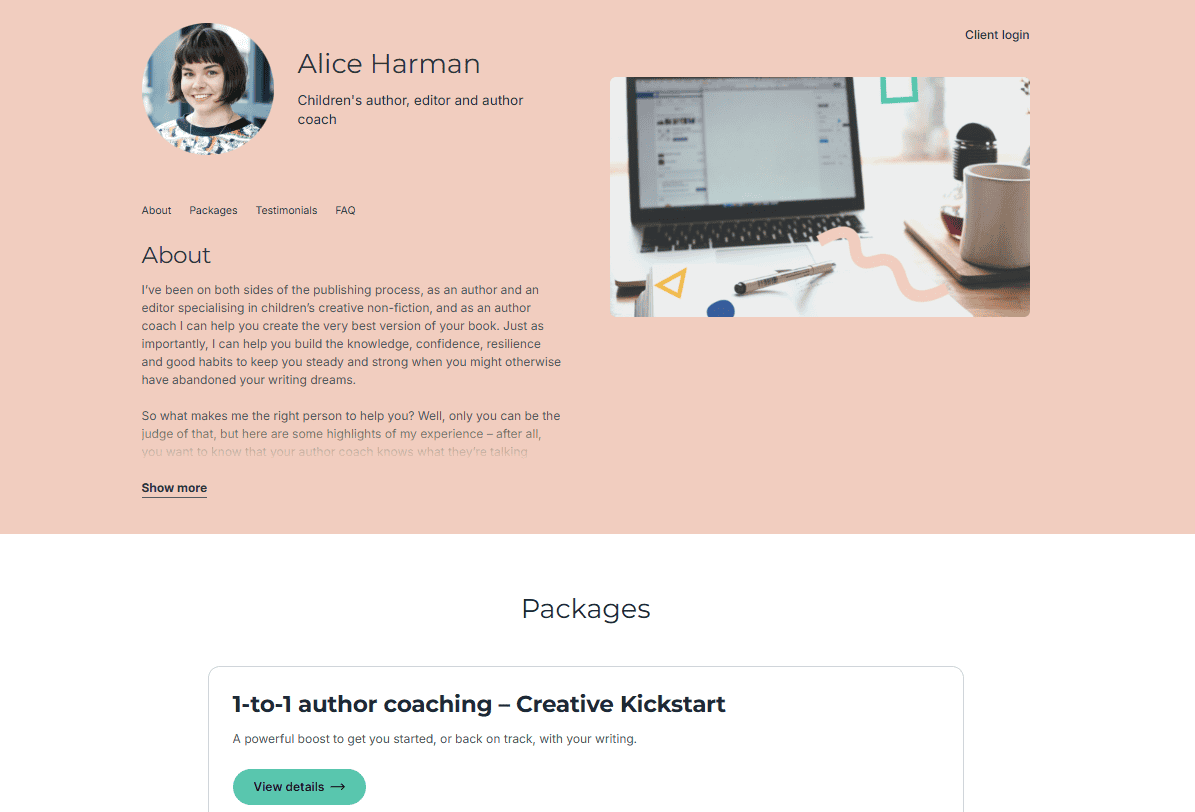
The good news? You don’t have to build your own system from scratch. A platform like Paperbell handles scheduling, payment processing, contracts, client portals, and intake forms all in one place, so you can focus on the actual coaching instead of the paperwork. Try Paperbell for free and see how much smoother your practice can run.
Requirements and Certifications to Be a Relationship Coach
Here’s something that surprises a lot of people: relationship coaching is not regulated in most countries or U.S. states. Technically, you can start calling yourself a relationship coach today without any certification.
That said, a certification matters, and not just for credibility. A good coach training program gives you structured frameworks for working with clients, supervised practice hours, and a foundation in coaching ethics. Without it, you’re figuring it all out by trial and error, and your early clients are the ones who pay for those mistakes.
The most recognized accreditation body in the coaching world is the International Coaching Federation (ICF). ICF accreditation means a program meets rigorous standards for coach training, supervised practice, and ongoing education. When clients see “ICF-accredited,” they know what it means.
There are three ICF credential levels:
- Associate Certified Coach (ACC): 60+ hours of coach-specific training, 100+ coaching hours, and a performance evaluation
- Professional Certified Coach (PCC): 125+ hours of training, 500+ coaching hours
- Master Certified Coach (MCC): 200+ hours of training, 2,500+ coaching hours
For most people starting out, the ACC is the right first milestone. It typically takes 3-12 months to complete a qualifying program and accumulate the required hours alongside it.
Here are some programs worth considering:
- iPEC (Institute for Professional Excellence in Coaching): One of the most recognized ICF-accredited programs. Strong curriculum, solid alumni network, and multiple credential pathways.
- Coach Training World: ICF-accredited, offers online formats, and includes a focus on building a coaching practice alongside the training itself.
- Erickson Coaching International: Well-established program with a solution-focused approach, delivered globally.
- World Coaching Institute: ICF-accredited, fully online, and offers specializations relevant to relationship coaches.
- Relationship Coaching Institute (RCI): This one is specifically designed for relationship coaches. Unlike the general coaching programs above, RCI’s curriculum is built around relationship dynamics, couples coaching, and the specific challenges clients bring to relationship work. If you know you want to specialize in this niche from the start, RCI is worth a serious look. Competitors consistently name it as a top option for relationship-specific training.
Whichever program you choose, verify that it’s currently ICF-accredited before you enroll. Accreditation statuses can change, and you want your training hours to count toward your credential application.
How to Become a Relationship Coach
Certifications and skills are the foundation. But building an actual coaching practice takes a few more steps. Here’s a practical roadmap.
1. Choose Your Relationship Coaching Niche
“Relationship coach” is actually pretty broad. The coaches who build strong practices fastest are usually the ones who get specific.
Think about what kinds of clients you want to work with and what problems you’re best positioned to help them solve. A few relationship coaching niches that are working well right now:
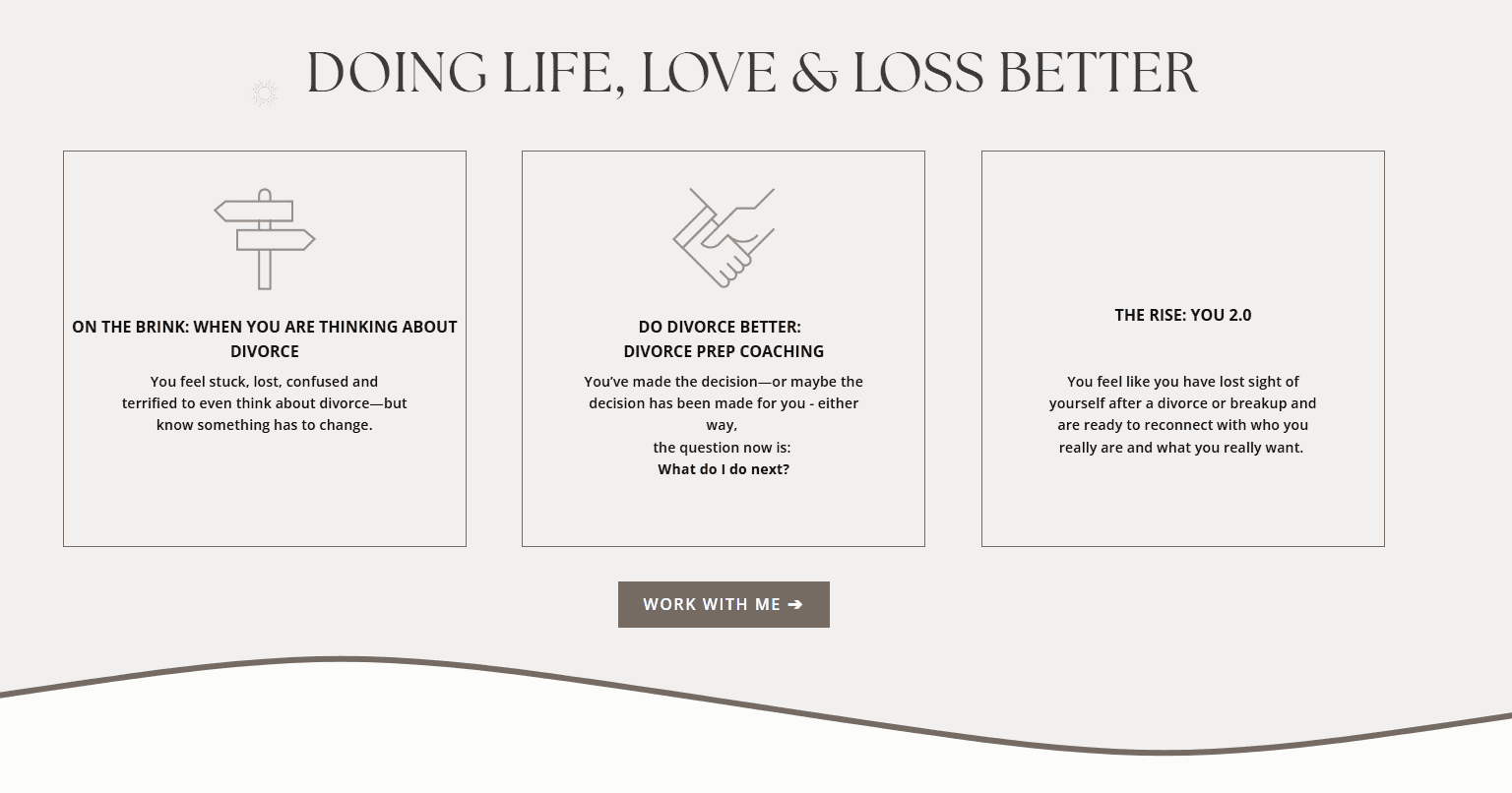
- Divorce coaching: helping people through the emotional and logistical chaos of separation to come out with a clear sense of who they are and what they want next
- New parents: couples who are blindsided by how much having a baby strains their relationship
- Singles who keep attracting the wrong people: pattern-breaking work for people who recognize their dating history is a pattern, not just bad luck
- Communication coaching for couples: not therapy-level intervention, but helping couples learn the actual skills of productive conflict and connection
- Relationship transitions: major life changes like relocating, career shifts, or loss that put stress on existing relationships
Niching doesn’t mean turning away everyone who doesn’t fit. It means you know exactly who your ideal client is, which makes every part of marketing easier.
2. Enroll in an Accredited Relationship Coaching Program
Pick a program from the list above (or do your own research) and enroll. As you go through training, start logging your coaching hours even if you’re doing practice sessions with friends or fellow trainees. Those hours count toward your ICF credential.
Most programs take 3-12 months to complete depending on format and pace. Online programs give you more flexibility to train around an existing job or family obligations.
3. Get Certified as a Relationship Coach
Once you’ve completed your training hours and accumulated your coaching hours, apply for your ICF credential. The application requires documentation of your hours, a performance evaluation, and passing a written exam.
This step takes time, but it’s worth it. ICF certification is the most widely recognized credential in the coaching industry, and it signals to prospective clients that you’ve met a real standard, not just paid for a certificate.
4. Build Your Offer Suite
One of the biggest mistakes new coaches make is trying to sell individual sessions. It’s harder to sell, harder to deliver results in, and harder to scale.
Package-based coaching is the standard for a reason. A 3-month package with weekly sessions gives clients a real runway to make changes. It gives you recurring, predictable revenue. And it creates the kind of ongoing coaching relationship where clients actually see transformation, not just a single good conversation.
Think about what your signature package looks like. What’s included? How many sessions? Is there email support between sessions? What’s the outcome the client can expect?
Cindy Stibbard, a divorce and relationship transition coach, is a great example of how to present this well. Her site makes it immediately clear who she helps, what the process looks like, and what clients can expect at the end. That clarity is what converts browsers into buyers.
5. Find Your First Relationship Coaching Client
Your network is the fastest path to your first client. Start telling people what you do, specifically and confidently. Not “I’m thinking about relationship coaching” but “I’m a relationship coach who works with couples who want to communicate better without turning every disagreement into a fight.”
From there:
- Offer a complimentary discovery call to anyone who expresses interest
- Post content that speaks to your niche on LinkedIn, Instagram, or wherever your ideal clients spend time
- Join Facebook groups or online communities where your target clients are asking the exact questions you answer in your work
- Partner with therapists and other counselors who can refer clients who need coaching-level support rather than clinical treatment
Your first client probably won’t come from a carefully crafted marketing funnel. They’ll come from someone who knows you, hears what you’re doing, and thinks “I know exactly who needs this.”
6. Expand Your Reach
Once you have a few clients and some testimonials, you have the evidence you need to grow. At this stage, you can invest more seriously in the channels that make sense for your niche: a website, a blog, a podcast, speaking at local events, or building an email list.
The coaches who scale fastest are almost always the ones who build content around the exact questions their ideal clients are Googling. If your niche is divorce coaching, writing the best post on the internet about “how to heal after divorce” puts you in front of people at exactly the moment they’re looking for help.
How Much Do Relationship Coaches Make?
Let’s talk numbers, because this is usually what people want to know before they invest time and money in certification.
Relationship coach income varies a lot depending on experience, niche, pricing model, and how full your practice is. Here’s a realistic picture by tier.
Entry-Level (0-2 Years)
New relationship coaches typically earn between $40,000 and $65,000 annually, according to data from ZipRecruiter and Indeed. At the session level, beginners commonly charge $60-$150 per session while they’re building experience and testimonials.
That said, session-by-session pricing is the slowest way to grow. Most coaches who move to packages early in their career see their income increase faster, because a 3-month package at $1,500-$2,500 requires fewer sales conversations than selling 10 individual sessions to get to the same revenue.
Mid-Level (2-5 Years)
With a few years of experience and a developed niche, relationship coaches typically earn $65,000-$90,000 annually. Session rates in this range commonly sit between $150-$300. Many coaches at this level are also selling group programs or online courses alongside their 1-on-1 work, which can add meaningful income without adding proportional time.
Established (5+ Years)
Experienced relationship coaches with full practices, strong reputations, and a mix of 1-on-1 and group work commonly earn $90,000-$150,000+. Glassdoor reports top earners in this range, and industry data from the International Coaching Federation (ICF) suggests roughly 20% of professional coaches earn six figures annually.
Session rates at this level often run $250-$500+, and premium packages (VIP days, intensive programs) can push average client value well above the hourly rate alone.
The Package Pricing Advantage
Here’s something worth understanding early: the coaches who earn the most aren’t necessarily the ones with the most clients. They’re the ones who sell packages.
A coach selling individual sessions at $100 needs 10 sessions per week to earn $52,000 a year (assuming 52 working weeks). A coach selling 3-month packages at $2,000 needs to close one new client per month and keep a roster of about 5-6 active clients. Same income, far less sales pressure.
Packaging your work also tends to produce better results for clients, because transformation takes time. A 3-session client can’t make the same progress as a 3-month client. Better results mean better testimonials, better referrals, and a practice that grows on its own momentum.
FAQs About How to Become a Relationship Coach
What is a relationship coach?
A relationship coach is a trained professional who helps individuals and couples identify goals, recognize patterns that are blocking healthy connection, and build the skills to create lasting change. Unlike therapists, they don’t diagnose or treat mental health conditions. They focus on forward-looking goals and accountability. Clients hire relationship coaches for things like communication skills, breaking unhealthy dating patterns, getting through major relationship transitions, and strengthening their marriage or partnership.
How long does it take to become a relationship coach?
It depends on the path you choose. If you’re working toward an ICF Associate Certified Coach (ACC) credential, you’ll need at least 60 hours of coach-specific training and 100 hours of coaching experience. Most people complete a qualifying program in 3-12 months while accumulating their coaching hours alongside it. So realistically, you could be certified and actively building your practice within 6-18 months of starting.
How much do relationship coaches make per year?
Entry-level relationship coaches typically earn $40,000-$65,000 annually. Coaches with a few years of experience and a developed niche commonly earn $65,000-$90,000. Established coaches with full practices and strong reputations often earn $90,000-$150,000+. Industry data from the ICF shows that roughly 20% of professional coaches earn six figures. Selling packages rather than individual sessions is the single biggest lever for increasing income early in your career.
Do you need a degree to become a relationship coach?
No degree is required. Relationship coaching is unregulated in most jurisdictions, which means anyone can technically offer coaching services. That said, an ICF-accredited certification gives you structured training, real coaching hours, and the credibility that helps clients trust you enough to invest. Certification isn’t legally required, but it’s practically important for building a sustainable practice.
What’s the difference between a relationship coach and a couples therapist?
Therapists are licensed clinicians who can diagnose and treat mental health conditions, often working through past trauma, anxiety, depression, and other clinical issues. Relationship coaches are goal-oriented and forward-focused. They work on present patterns and future outcomes, not clinical diagnosis. Coaches can’t replace therapy for mental health needs, but they’re often the right fit for couples or individuals who want to strengthen their communication and relationship skills without a clinical process. When in doubt, a good coach knows when to refer out to a therapist.
What’s the best relationship coaching certification?
There’s no single best option; it depends on your focus. ICF-accredited programs like iPEC and Coach Training World are the gold standard for general coaching credibility and career flexibility. The Relationship Coaching Institute (RCI) is specifically designed for relationship coaches and is the most relationship-focused option on the market. If you plan to work primarily with couples, look for programs that include couples coaching modules as part of their curriculum. Verify current ICF accreditation status before enrolling, as it can change.
Can I become a relationship coach online?
Yes, on both counts. Most coach training programs now offer fully online formats, so you can complete your certification from anywhere. And most relationship coaching itself happens virtually (via Zoom or similar platforms), which means you can work with clients anywhere in the world without a physical office. A platform like Paperbell lets you set up scheduling, payments, contracts, and a client portal entirely online from day one, so your practice is ready for clients before you’ve filled your first session.
Become a Certified Relationship Coach Today
Getting started as a relationship coach doesn’t require a clinical degree or years of practical experience. What it takes: a solid certification, a clear niche, and a genuine commitment to doing the work well.
The business side doesn’t have to be complicated either. Once you’re ready to start taking clients, try Paperbell for free and set up your scheduling, payments, and contracts in one place, so you can spend your time coaching instead of managing admin.